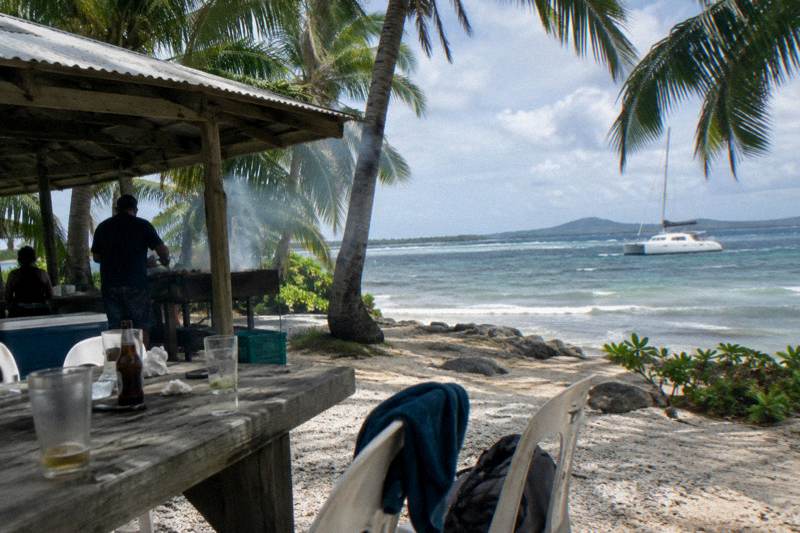
Do You Need To Book A South Sea Island Day Trip In Advance?
Booking windows, cancellation rules and passenger limits for South Sea Island day trips from Port Denarau, with timetables, prices and what changes if you wait until you arrive in Fiji.
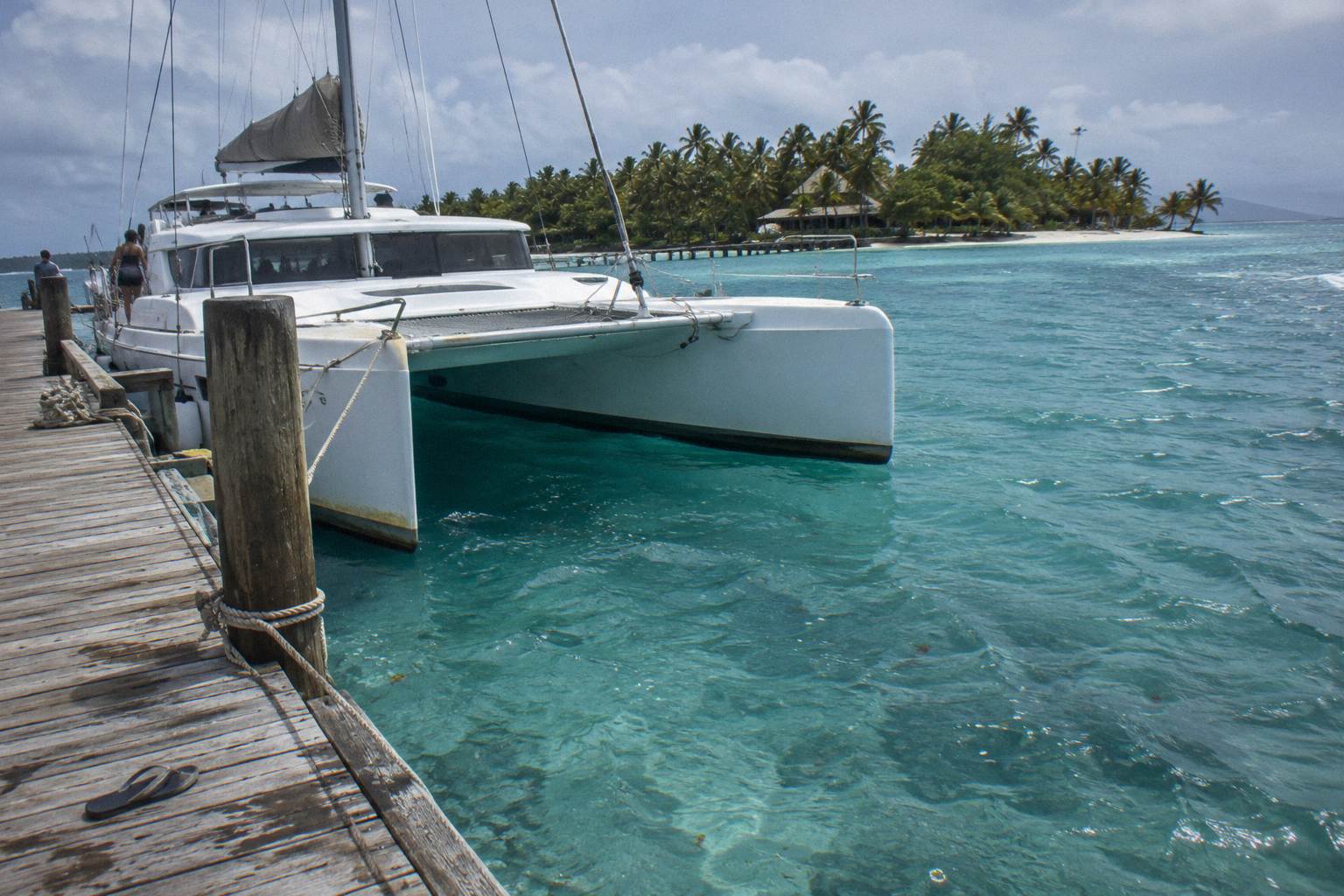
Advance booking is the difference between a planned island day and a scramble at a marina desk, though the two experiences cost the same. Everything on this page sits alongside the full day island cruise options from Port Denarau, where most of these departures leave from.
Port Denarau sits 20 minutes from the international airport and 10 minutes from Nadi town, which is why so many travellers fold an island day into a Fiji holiday in the first place. But each trip has its own cancellation window, its own pick-up coverage and, in a few cases, a hard cap on how many passengers can board. Those three things, not the price, are what decide how early you should commit.
Book ahead when your dates are fixed, when you want a hotel coach pick-up, or when you are travelling in the July and August dry season peak. The South Sea Island trips carry free cancellation up to 24 hours before departure, so an early booking costs you nothing but a calendar entry and protects the things late bookers miss: pick-up seats, the departure you wanted, and the day you actually wanted it on.
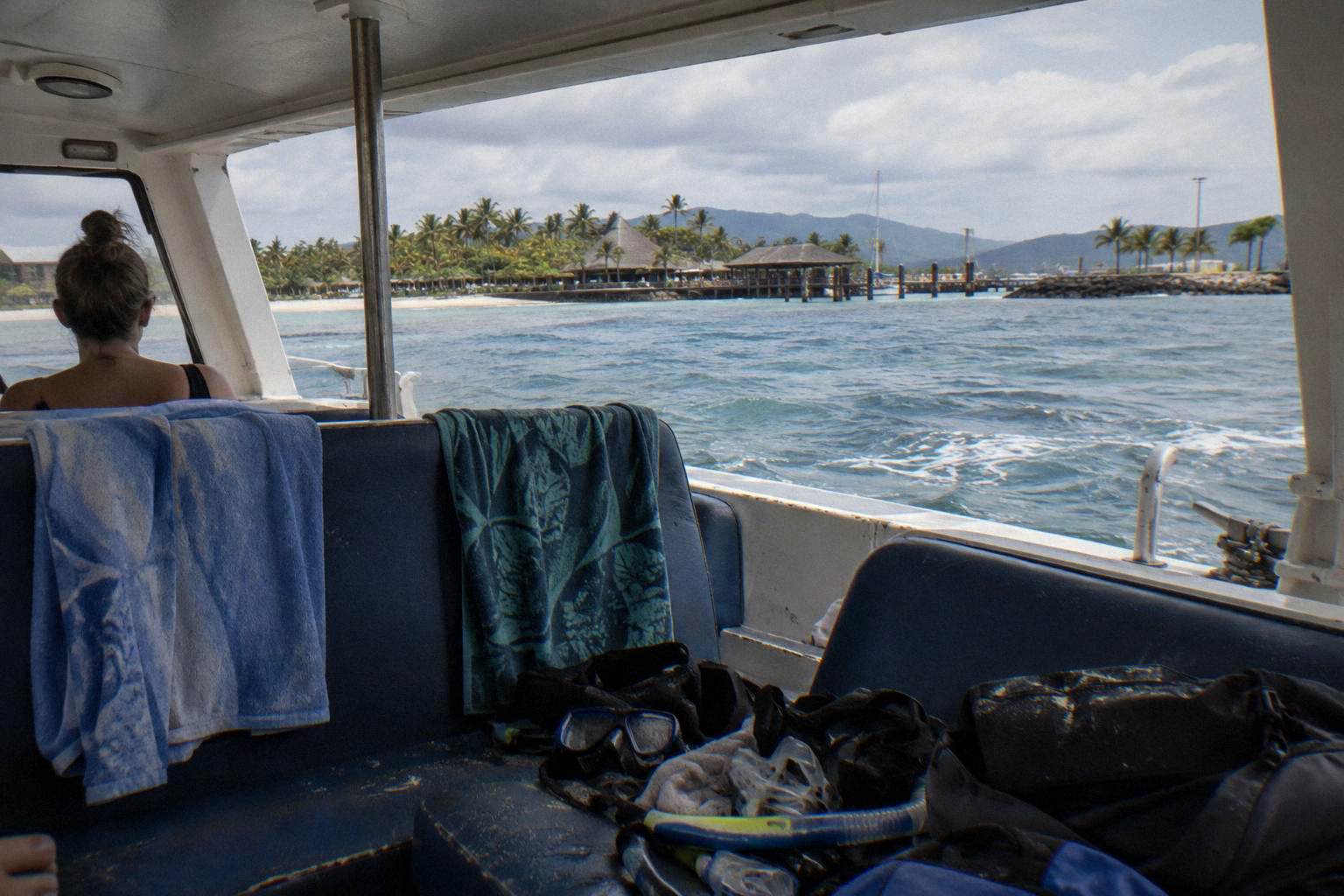
That free cancellation window is the single most useful booking fact on the roster. Every South Sea Cruises trip to South Sea Island carries it: the full day, the half day, the Finding Nemo morning trip and the combo cruise. It means the safe play is to book as soon as your flights are locked, then adjust if your plans shift, rather than waiting to see how you feel on arrival. Cancelling more than 24 hours out costs nothing, and amounts are in US dollars and vary by date and group.
The reasons to book early cluster around logistics rather than scarcity. Coach pick-ups are pre-booked return transfers from most Nadi, Denarau and Wailoaloa hotels, and each coach run has a finite number of seats; a late booking can find the transfer full even when boat seats exist. The Finding Nemo morning trip is deliberately small in feel, since its guests reach the island at 9.15am, well before the full day crowd arrives at 10.45am, and that quiet window is a big part of what people are paying for. The combo cruise, the only version that includes the Mamanuca sightseeing run, leaves at 8.45am sharp.
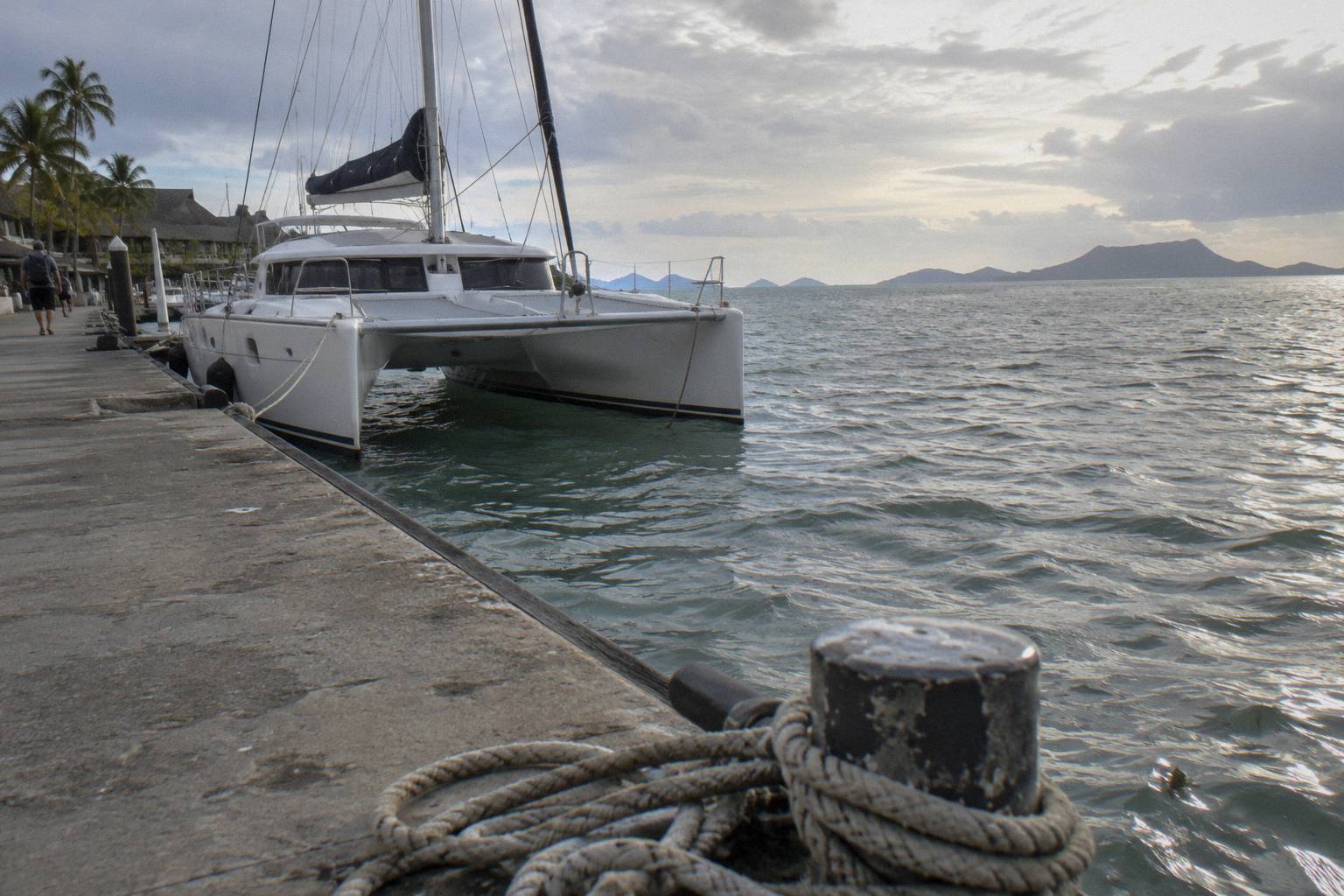
There is a seasonal argument too. Winter, May to October, is Fiji's dry season, with shorter sunnier days and rainfall down 50 to 75 percent against the wetter months, and July and August are both the coolest and the busiest months of that window. Fiji's official climate guidance spells out those seasonal ranges. More travellers in the dry season means more competition for the departure you want, which is exactly when a 24-hour cancellation policy makes early booking a free option rather than a gamble.
For a first island day, the Fiji: South Sea Island Full Day Trip with Lunch & Drinks is the reference point: from US$125 per person, a 4.5 rating across 296 reviews, roughly a full day ashore with a barbecue buffet lunch and island drinks included. It is the trip most of the booking questions below revolve around.
If you are still weighing which format suits you, the breakdown of full day versus half day on the island is the companion piece; the booking mechanics are the same across both.
When Cancellation Windows Actually Matter
Free cancellation up to 24 hours before departure applies to every South Sea Cruises trip on the roster, full day, half day, Finding Nemo and combo alike, and to the Castaway, Mana and Captain Cook day trips as well. It is the reason early booking carries no real risk: cancel more than a day ahead and you pay nothing, cancel inside the window and you generally pay in full.
Two trips sit outside that pattern and deserve a flag before anything else. The Beachcomber Island day trip and the Kuata Island marine conservation day trip carry cancellation terms that are simply not published in advance, so if you are booking either, confirm the terms at checkout rather than assuming the 24-hour rule follows you there. That single check, made while you book, is worth more than any general rule of thumb.
The window changes behaviour in one specific way: it lets you hold a date weeks out and keep shopping. Say you book the full day trip for a Wednesday, then learn your group would rather do a shorter morning. Cancel the full day more than 24 hours ahead, free, and book the Finding Nemo morning trip from US$65 per person instead. Nothing is lost beyond a few minutes, and both bookings were made with full knowledge of the terms.
| Trip | Cancellation window | What that means for booking early |
|---|---|---|
| Full Day, Lunch And Drinks | Free up to 24 hours before | Book early with no penalty risk |
| Half Day, Lunch Included | Free up to 24 hours before | Same protection, afternoon departure |
| Finding Nemo Morning Trip | Free up to 24 hours before | Covers the early 8.45am commitment |
| Combo Half Day, Lunch And Drinks | Free up to 24 hours before | Protects the only island-hopping version |
| Castaway Island Day | Free up to 24 hours before | Matters most, see the 20-passenger cap below |
| Mana Island Resort Day Trip | Free up to 24 hours before | Straightforward hold on a resort day |
| Captain Cook Tivua Day | Free up to 24 hours before | Applies across the 7-hour sailing day |
| Beachcomber Island Day Trip | Not published in advance | Confirm at checkout before relying on it |
| Kuata Marine Conservation Day | Not published in advance | Confirm at checkout before relying on it |
Weather sits alongside cancellation as the other reason people hesitate to commit early, and here the picture is steadier than you might expect. The wet season, November to April, brings long warm days with short afternoon downpours rather than all-day rain, and day trips run through it. The real wet-season variable is tropical cyclones: the Fiji Met Service outlook for the 2026-27 season points to eleven to fifteen cyclones across its whole area of responsibility into April 2027, with the peak usually January to February, as the national climate service tracks. If your trip falls in that season, booking early with a 24-hour free window is strictly better than waiting.
A question worth asking yourself before you hold a date: do you need to book a Fiji day cruise on arrival day, or is your first full morning the safer slot? The cancellation window makes either answer low risk.
There is a scenario where none of this flexibility helps: showing up with a fixed next-morning plan during peak weeks. The free window runs one way, and inside 24 hours the booking is effectively final.
Which Trips Have Hard Passenger Limits
Castaway Island is the one to act on: a limit of 20 day passengers a day, every day, on an island with two fresh-water pools and a swim-up bar. Cloud 9's 1.00pm departure needs 25 guests booked to run at all. South Sea Island itself has no published cap, but its shared coach transfers and fixed catamaran seats make the practical limit your pick-up, not the island.
The Castaway cap deserves its own arithmetic. Twenty passengers a day is not a marketing number, it is the resort's day-visitor ceiling, and unlike a boat seat it cannot be added to. If Castaway is your choice, the 9.30am departure, 5 hours ashore and lunch included, the case for booking ahead is about as strong as it gets on this roster, because no amount of arriving early at the marina creates a twenty-first place. The free 24-hour cancellation that comes with it means holding a Castaway day early costs nothing.
Cloud 9, the two-level floating bar and wood-fired pizzeria on Ro Ro Reef, works the other way around: it is a minimum, not a maximum. The 1.00pm departure requires 25 guests before it runs, which means a late afternoon decision to go the next day lands you on a departure that may not be confirmed. The 9.00am departure carries no printed minimum. Booking Cloud 9 early, a day or more out, gives the operator the numbers they need and gives you a confirmed platform.
| Trip | Hard limit or minimum | Booking consequence |
|---|---|---|
| Castaway Island Day | 20 day passengers maximum | Book well ahead; the cap cannot expand |
| Cloud 9, 1.00pm departure | 25-guest minimum to run | Early booking helps the departure confirm |
| Cloud 9, 9.00am departure | No minimum printed | Standard advice, book a day or two ahead |
| South Sea Island trips | No published island cap | Coach pick-up seats are the practical limit |
| Mana Island Resort Day | No published cap | Resort day, book ahead in dry season |
| Captain Cook Tivua Day | No published cap | 7-hour sailing day, standard booking |
For the South Sea Island trips the practical constraint is the coach. The full day and half day pre-book return coaches from most Nadi, Denarau and Wailoaloa hotels, and the full day adds Vuda, Natadola, Sonaisali, Momi Bay and Coral Coast hotels to its catchment. Finding Nemo and the combo draw from Nadi, Denarau and Wailoaloa only. A late booking can still get you a boat seat with a self-made way to Port Denarau, but the complimentary hotel transfer is the part that fills first, and it is the part families with children most want locked in.
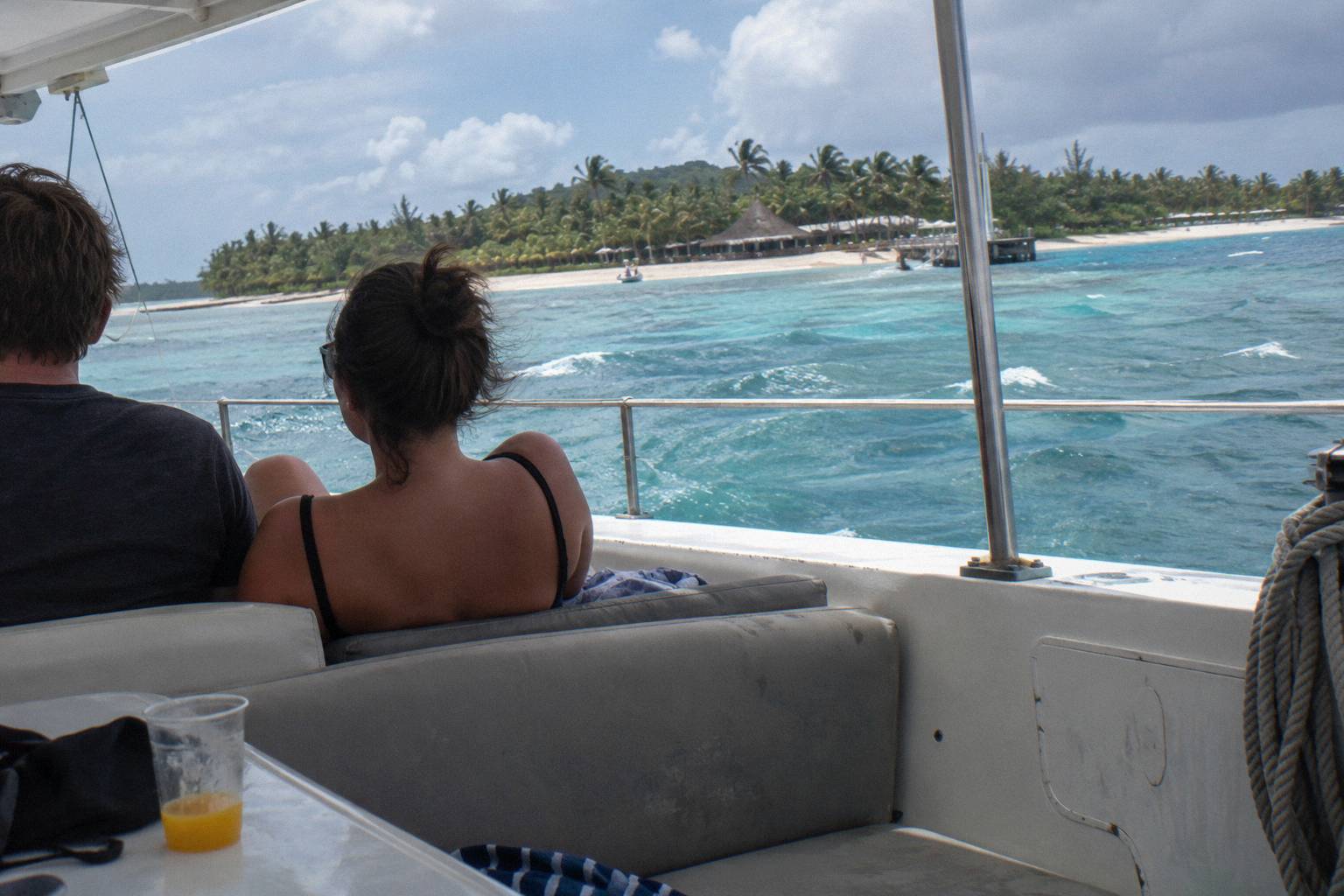
None of this adds up to a claim that any particular day sells out. What it adds up to is simpler: the trips with real constraints, Castaway's twenty places, Cloud 9's afternoon minimum, the coach seats, are all booked first by the people who plan, and the free cancellation terms mean planning carries no penalty. The operator's own island day trip page is where the current departure picture for South Sea Island is set out.
How Far Ahead Travellers Usually Book
A week or two ahead is the comfortable norm for South Sea Island trips outside peak months, with three to four days still workable for the half day and Finding Nemo. Inside 48 hours you are into leftover territory: the departure may exist, but the coach pick-up, the date you wanted, or in Castaway's case the island itself may not. Peak dry season weeks push every one of those thresholds earlier.
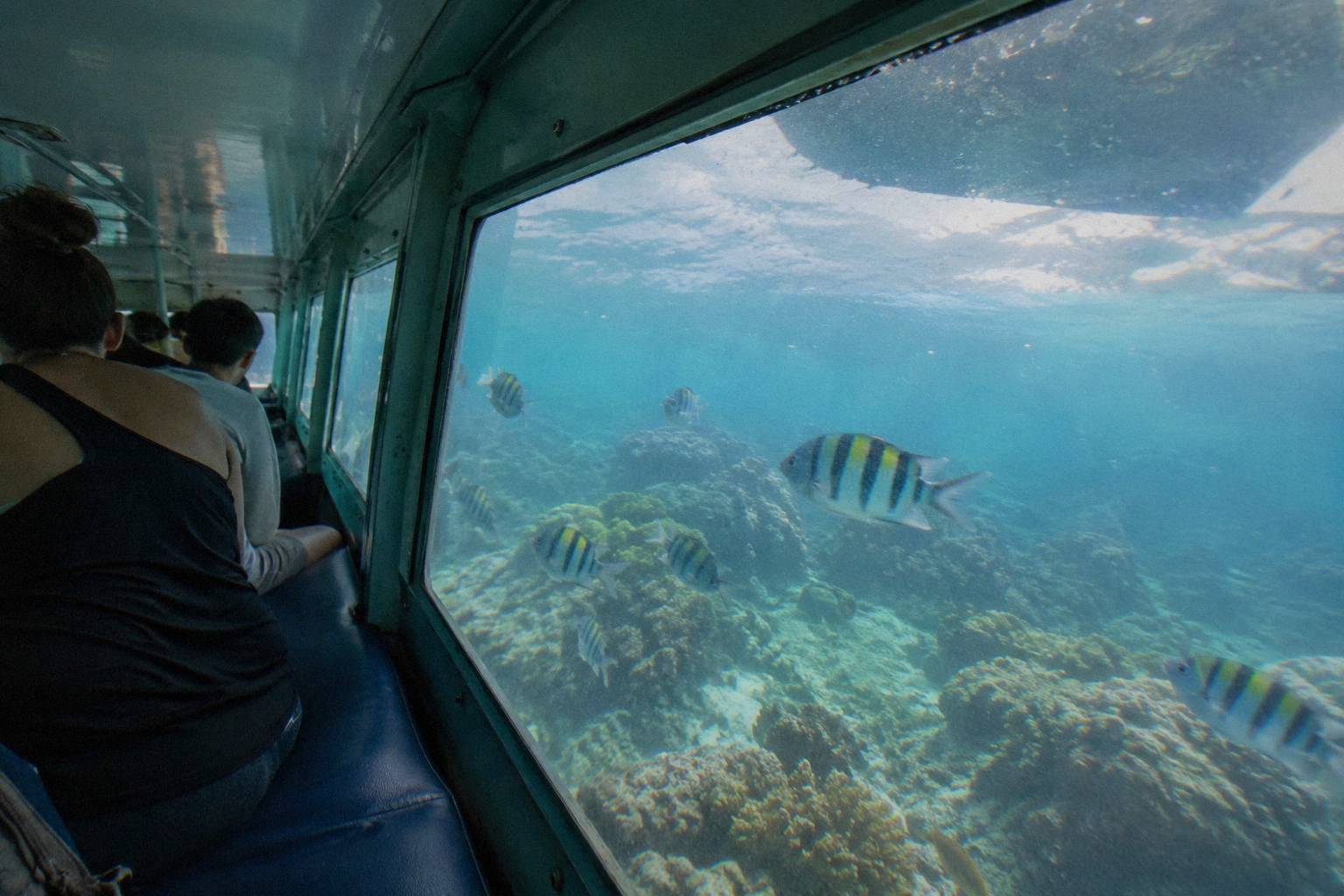
The 24-hour free cancellation window quietly makes "how far ahead" a softer question than it looks. Because you can cancel for free up to a day out, the optimal play is to book when your dates firm up, which for most fly-in travellers is two to six weeks out, and stop worrying. The people who lose out are not the late bookers by choice but the undecided: the group that waits until they are in Fiji, discovers the date they wanted has no coach seats from their Coral Coast hotel, and settles for a different day.
There is a natural rhythm to a Fiji week that shapes when people book. Most travellers land, take a recovery day, then look for their island excursion on day two or three of the trip. That means bookings made from the hotel lobby cluster three to five days ahead, and if a public holiday, a cruise-ship day at Port Denarau or a dry-season weekend falls in that window, the competition is everyone else in every other lobby doing the same arithmetic. Booking before you fly skips that crowd entirely.
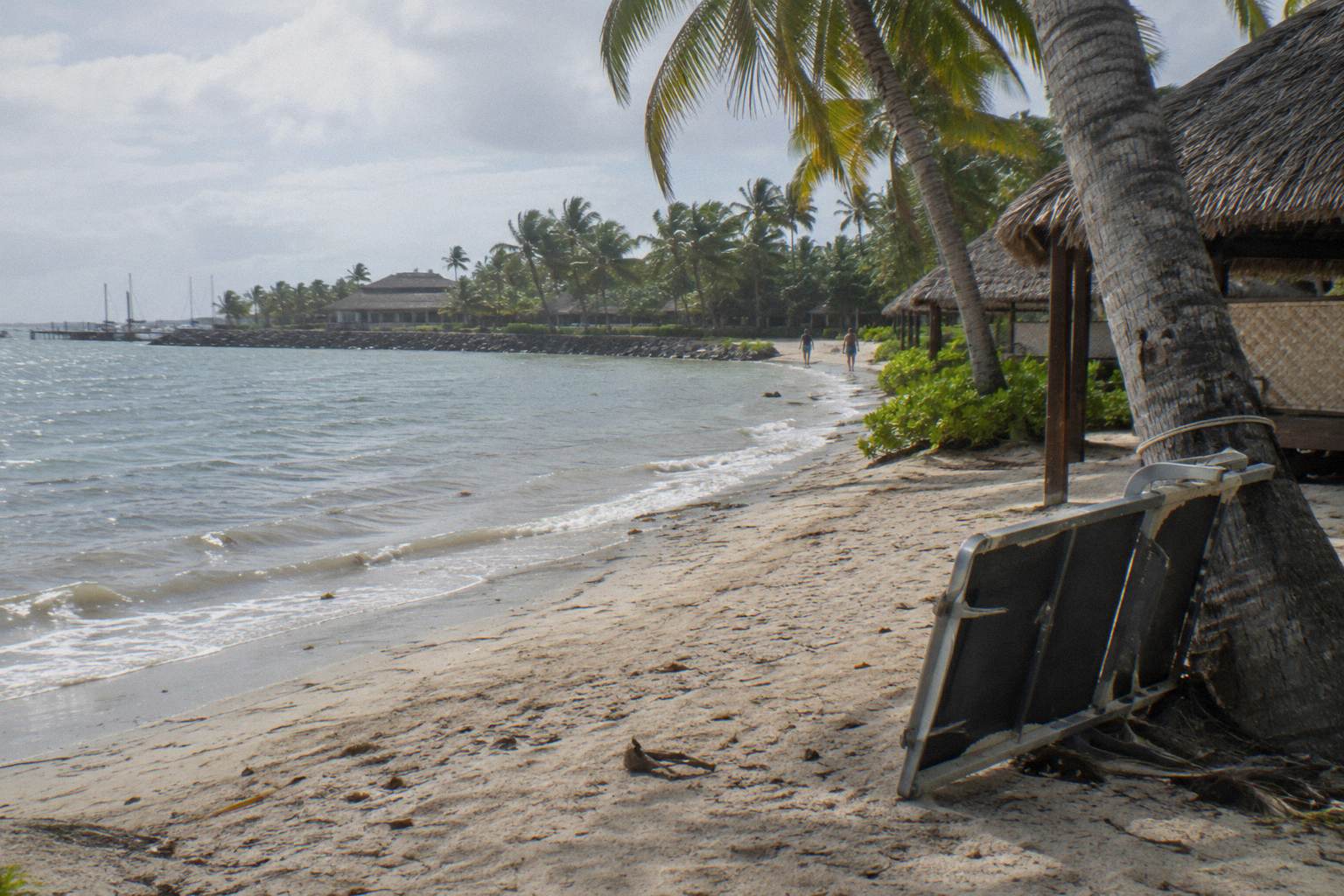
Families should skew earlier for a different reason: the island's complimentary Kids Club runs for ages 3 to 12 with children supervised by an adult, and children 5 to 15 pay a lower fuel surcharge rate than adults on South Sea Island while infants 4 and under travel free. Getting those ages and counts right at booking, rather than at check-in, keeps the family's transfers, meals and surcharge rates all consistent. The family angle is covered in more depth in the South Sea Island with kids guide.
If your heart is set on the shorter formats, the half day trip from US$108 per person, carrying a 4.6 rating across 123 reviews, departs at 12.15pm and returns at 6.00pm, which makes it the trip people book latest and most casually. That casualness is fine on a quiet week and a gamble in August.
The other common late-booking target is the Tivua day sail: the Captain Cook trip is from US$107 per person with a 4.5 rating across 448 reviews, a 7-hour day departing Port Denarau at 10am and returning at 5pm, with a marine biologist snorkel and a glass-bottom boat in the mix. It is also a genuine alternative when South Sea Island's date is full, which is precisely why it fills next.
What To Do If You Are Already In Nadi
Book in person only if your dates are genuinely flexible: walk-up or next-day bookings work in quiet weeks, especially for the half day and Finding Nemo, but you accept whatever coach seats and dates remain. Check-in for every South Sea Cruises trip is at the operator's desk in the Port Denarau Terminal 30 minutes before departure, and a booking made two days out still gets the same free 24-hour cancellation protection.
The marina is the operational heart of all of this. Port Denarau Terminal hosts the South Sea Cruises check-in desk, the catamarans leave from its berths, and the day trip that starts at 10.00am has its queue forming by 9.30. If you are staying in Denarau itself, the decision to book late is nearly cost-free: you can see the boats from half the resort pools, and a ten-minute ride stands between you and the terminal. The further your hotel sits from Nadi, Denarau and Wailoaloa, the more the coach pick-up matters and the earlier you should commit. The wider set of guides lives on South Sea Island Cruises.
Being on the ground does give you one real advantage: weather eyes. Locals and hotel desks know which morning looks set for the short sharp downpour and which looks like a full washout, and the 24-hour free window lets you act on that local read without penalty. The reverse also holds, a booking made from home three weeks out can be cancelled free at the 25-hour mark if the forecast turns, then rebooked for the next fine day. Flexibility runs in both directions once the hold is in place.
| Departure | Leaves Port Denarau | Back at Port Denarau | Ashore |
|---|---|---|---|
| Finding Nemo morning | 8.45am | 11.45am | About 1.5 to 2 hours |
| Combo half day | 8.45am | 3.00pm | About 3.5 hours plus island sightseeing |
| Full day | 10.00am | 4.45pm or 6.00pm | Most of the day |
| Half day | 12.15pm | 6.00pm | Afternoon and evening |
| Captain Cook Tivua day | 10.00am | 5.00pm | 7-hour sailing day |
That timetable explains the late-booking pattern better than any rule does. The Finding Nemo and combo departures at 8.45am need a decision the previous afternoon at the latest, since coach pick-ups run before them. The half day's 12.15pm departure is the one a genuinely spontaneous morning can still catch, if you are already near the marina and willing to arrange your own way there. The crossing itself is short, 30 minutes on the 8.45 timetable and 45 minutes on the 10.00 full day run, so the boat is never the bottleneck; the transfer is.
One caveat for the true walk-up crowd: the half day's coach pick-ups are limited to Denarau, Nadi and Wailoaloa hotels, narrower than the full day's coverage. A late half-day booking from a Coral Coast resort means making your own way in. The full pick-up geography is mapped out in the hotel pick-up and transfers guide.
Does The Fuel Surcharge Change When You Book
The mandatory per-person fuel surcharge, in force for travel from 3 November 2026 and reviewed monthly, is payable online before departure or at check-in, so booking early neither increases nor avoids it. What early booking does give you is certainty: you see the surcharge applied at checkout at the rate of that month, and children 5 to 15 pay a lower rate than adults on South Sea Island.
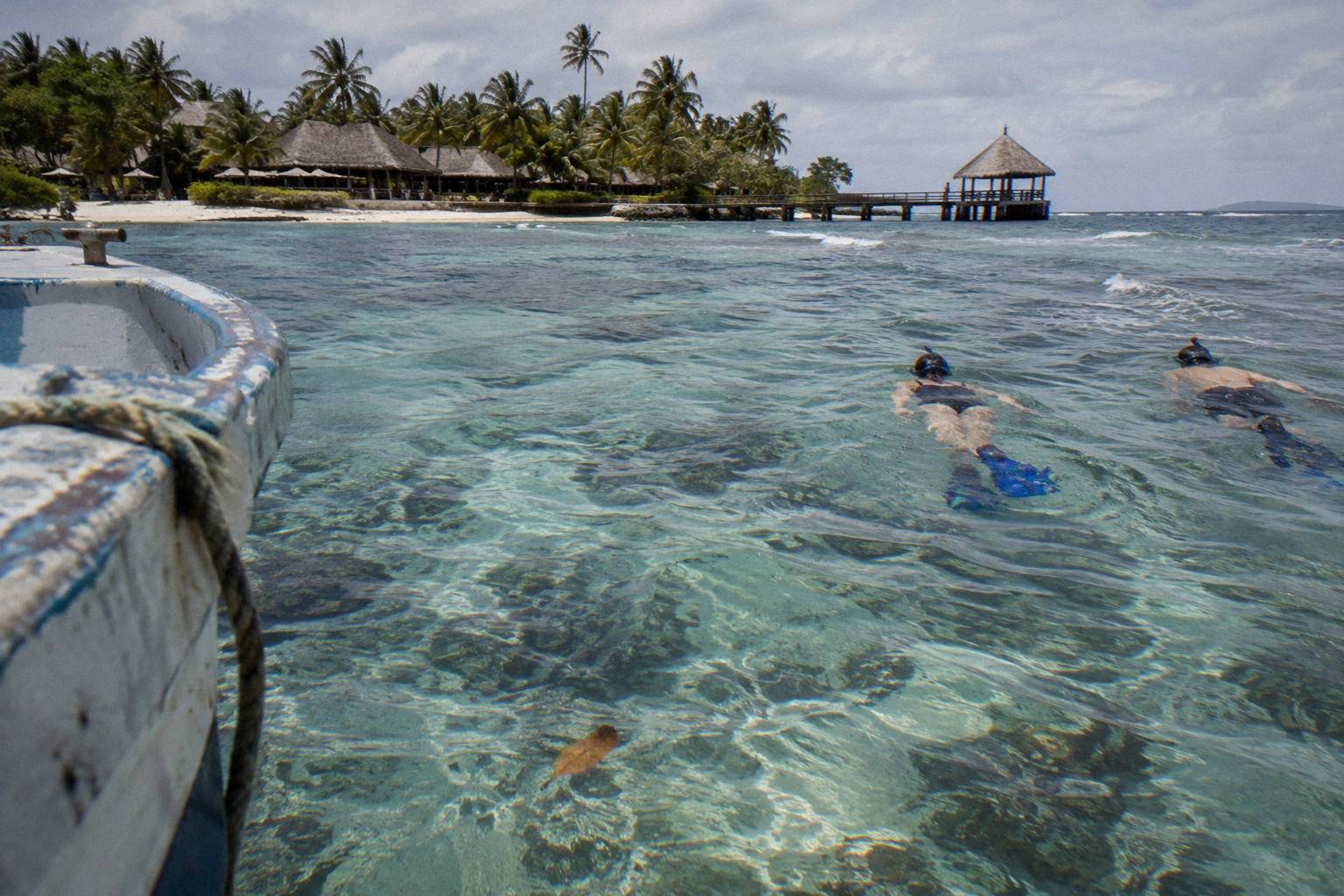
The surcharge exists because diesel in Fiji has been running more than 60 percent higher than before the Middle East supply disruption, with fuel prices set monthly by Fiji's competition and consumer regulator, and the operator's surcharge advisory sets out the mechanics. The rate is reviewed monthly, which means two people booking the same trip in different months can see different surcharge lines. No amount is printed here because the operator applies it at checkout, and some booking listings show it as excluded from the headline fare, which is worth knowing so the final total does not surprise you.
None of that argues for waiting. The surcharge is not a booking fee you can dodge with timing; it follows the travel date, not the purchase date. If anything, the review cycle nudges the other way: a trip booked now for a date inside the current review period carries a known rate, and payment of the surcharge online before departure spreads the checkout task rather than stacking it onto check-in morning at the terminal.
Folding the surcharge into your budget arithmetic is covered properly elsewhere, including how it interacts with the printed from-prices, in the price and fuel surcharge guide. The one booking-relevant takeaway stands on its own: surcharge uncertainty is never a reason to delay, because it resolves identically whenever you book.
Booking Around Wet Season And Cyclone Season
Wet season, November to April, is bookable with the same free 24-hour cancellation as any other time of year, and the season's rain pattern of short afternoon downpours rather than all-day storms means most days still run. The variable to plan around is the cyclone season that overlaps it, peaking January to February, which is exactly when the free cancellation window earns its keep.
The seasonal facts are steadier than folklore suggests. Summer days run up to 31 °C with an average of 25 to 26 °C, and January and February are the warmest months; winter days average 23 to 24 °C with most days between 19 and 28 °C. Water temperatures, per Fiji's own climate guidance, do not fluctuate much through the year. What changes between the seasons is rain volume and traveller numbers: the dry season halves to three-quarters less rain than the wet months and draws the biggest crowds, while the wet season trades a higher chance of an afternoon soaking for thinner crowds and lusher islands.
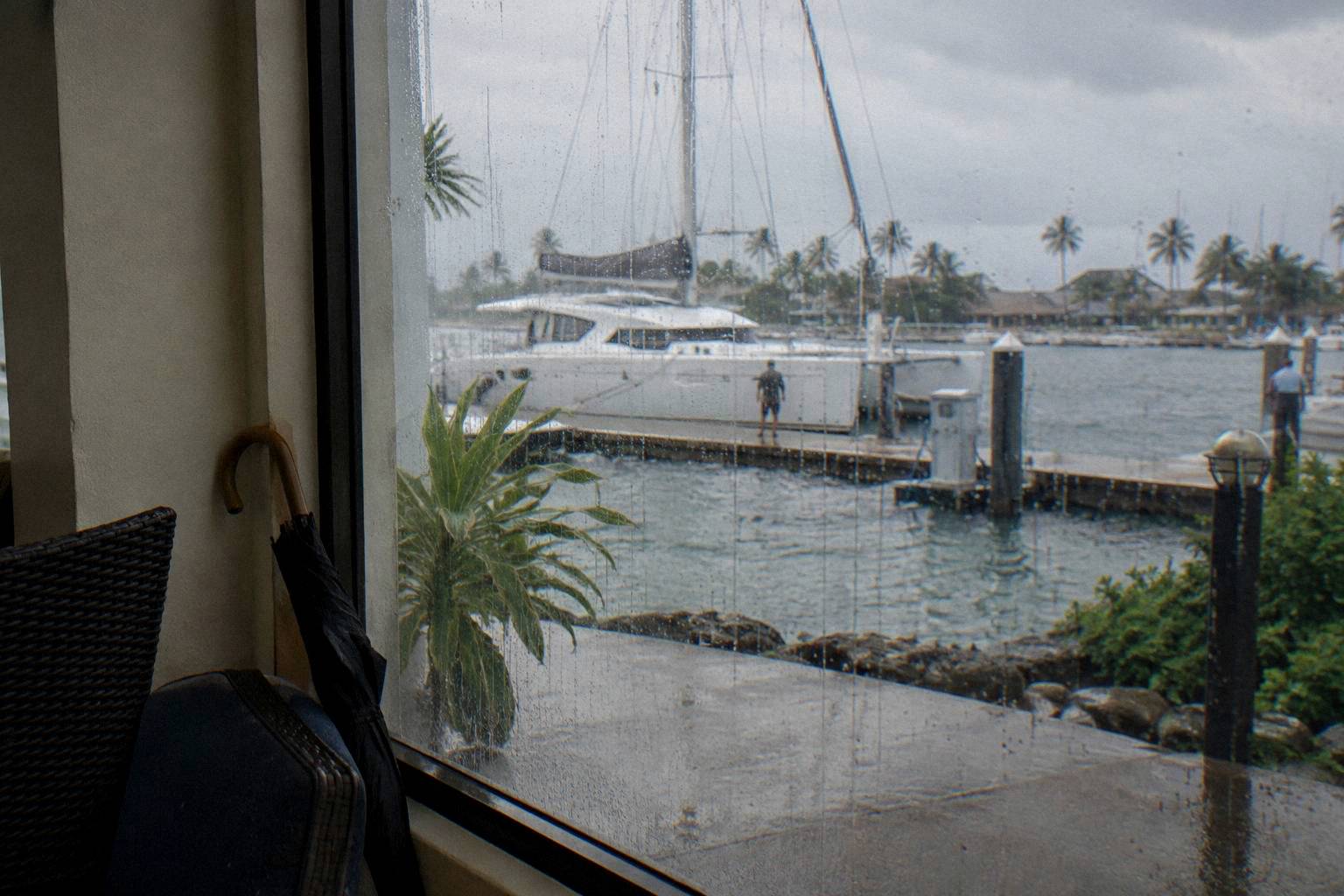
The cyclone outlook is the one planning input that genuinely belongs in a booking decision. Eleven to fifteen tropical cyclones are likely across the Fiji Met Service's area of responsibility between November 2026 and April 2027, against around seven in an average season, with the peak usually January to February. That is a regional number, not a forecast for any given week, and the operator's terms reserve the right to cancel departures and arrange alternative transport where necessary. For a traveller, the practical response is not avoidance but structure: book the dates you want, keep the free cancellation in mind at the 24-hour line, and keep a spare day in a longer trip so a weather-shifted island day still fits.
| Season | Months | Temperatures | Booking picture |
|---|---|---|---|
| Dry season | May to October | Average 23 to 24 °C, most days 19 to 28 °C | Busiest in July and August, book earliest |
| Wet season | November to April | Up to 31 °C, average 25 to 26 °C | Thinner crowds, short afternoon downpours |
| Cyclone peak | Usually January to February | Warmest months of the year | Keep the free 24-hour cancellation in play |
Wet-season travellers have one extra reason to pre-book rather than drift: the on-island schedule. The Fijian meke performance and craft markets run daily except Sundays, and the barbecue buffet lunch anchors the middle of the day. A traveller who books late and lands on a Sunday gets the island and the pool but not the meke, a detail no amount of marina-desk charm can change. Sunday and Monday questions are unpicked in whether the day trip runs on Sundays.
What Trips People Up Before You Book
The three recurring mistakes are booking a date without a spare day behind it, assuming the headline price is the whole price, and treating all trips as if they shared the same cancellation terms. The Beachcomber and Kuata days do not publish their cancellation terms, the fuel surcharge sits outside the from-price, and a weather-shifted departure needs somewhere to move to. Each mistake takes one minute of planning to avoid.
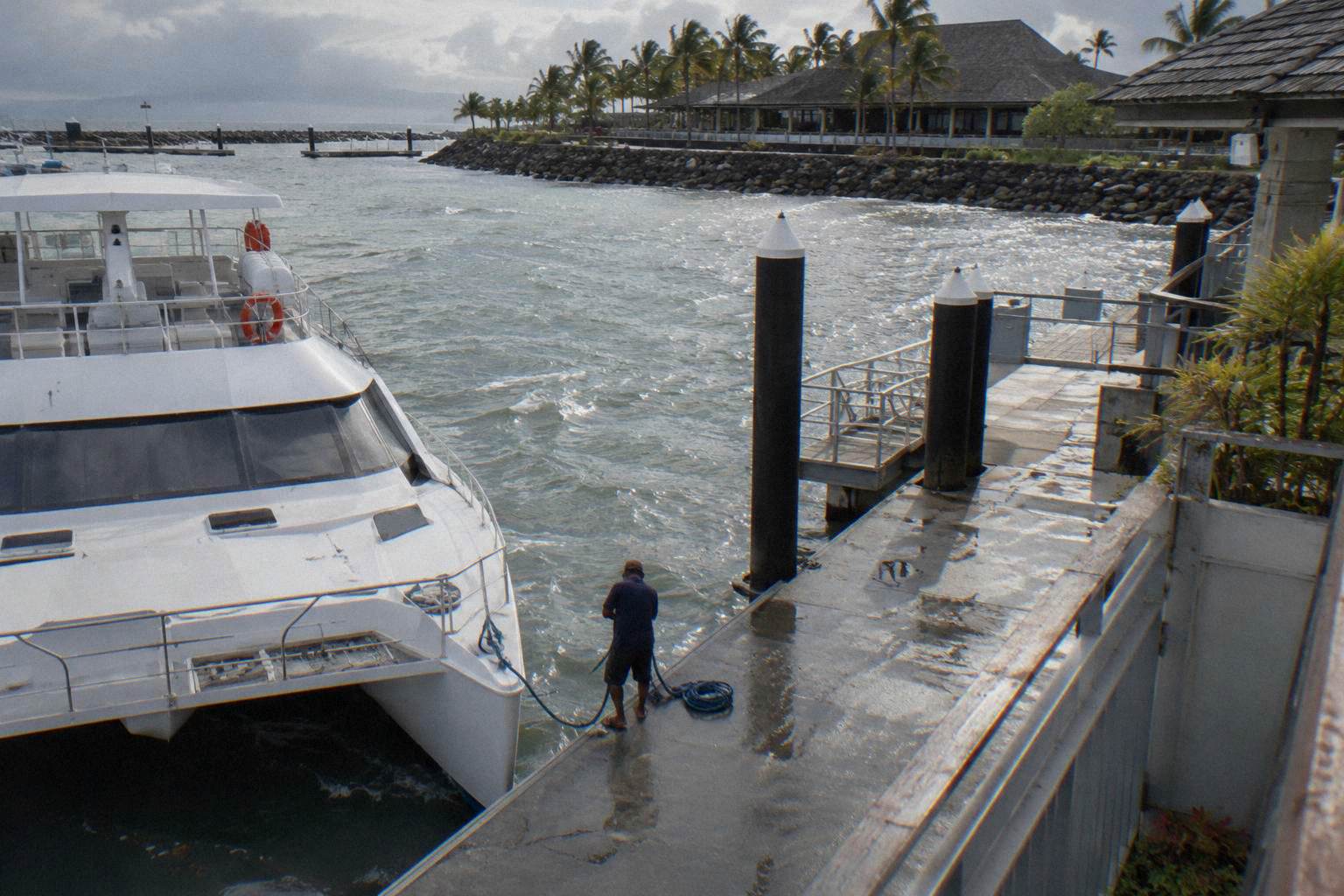
The headline-price trap is the most common. The printed amounts, from US$65 for the Finding Nemo morning trip through from US$108 for the half day, from US$107 for the Tivua sailing and from US$125 and US$135 for the full day South Sea Island and Mana resort days, are US dollar from-prices that vary by date and group, and the mandatory fuel surcharge sits alongside them, with card payments through the operator also carrying a small non-refundable admin fee. None of that is hidden; all of it is easier to absorb on a screen at home than at a check-in desk 30 minutes before departure.
The spare-day mistake bites hardest in cyclone season but applies year round. An island day is the single most weather-dependent item in most Fiji itineraries, and pinning it to your last full day, with a flight the next morning, removes every fallback. Booking the island day early in the trip, with a free cancellation window behind it and open days after it, converts a washout from a loss into a reschedule.
The assumption trap is subtler. Because every South Sea Cruises trip shares the clean 24-hour free cancellation, it is easy to assume the whole roster does. The Captain Cook Tivua day matches it, as do Castaway and Mana, but Beachcomber and Kuata publish nothing in advance, and Cloud 9 runs its own weather rules, refunding a full day-trip cancellation made 24 or more hours ahead with no refund once a trip is underway. Two minutes confirming terms at checkout, every time, closes the gap.
One final trip-up is schedule-shaped: booking a same-day connection that ignores the return time. The full day can return at 4.45pm or as late as 6.00pm, the half day at 6.00pm, the Tivua sailing at 5.00pm. Anyone booking an evening flight, a resort transfer or a dinner reservation on return day should plan against the later time, not the earlier one.
Common Questions About Booking An Island Day
Do You Need To Book A South Sea Island Day Trip In Advance?
You do not strictly need to, but you should in practice. The trips carry free cancellation up to 24 hours before departure, so booking ahead once your dates are firm is a free hold, and it protects your coach pick-up seat, your preferred departure and, in Castaway's case, one of only 20 daily places.
How Late Can I Book A South Sea Island Day Trip?
Bookings taken a day or two ahead usually work outside peak months, especially for the half day and the Finding Nemo morning trip. Inside 24 hours you keep whatever coach seats and dates remain, and the free cancellation window has closed, so the booking is effectively final.
Does The Free Cancellation Apply To Every Island Day Trip?
It applies to all South Sea Cruises trips, the full day, half day, Finding Nemo and combo, and to the Castaway, Mana and Captain Cook days. The Beachcomber and Kuata trips publish no cancellation terms in advance, so confirm those at checkout rather than assuming.
Which Trip Needs Booking The Furthest Ahead?
Castaway Island, capped at 20 day passengers, is the roster's tightest limit. Cloud 9's 1.00pm departure also needs 25 guests to run, so it confirms late. In July and August every departure deserves a week or more of lead time.
Should I Book Before I Fly Or Once I Am In Fiji?
Book before you fly if your dates are fixed or you are travelling in the dry season peak; the 24-hour free cancellation makes it riskless. Booking from your hotel works if your dates flex, but you will be competing with everyone else booking three to five days out from their lobbies.
Does Waiting Change The Price?
The printed fares are from-prices in US dollars that vary by date and group, and the fuel surcharge is set monthly and follows your travel date, not your booking date, so waiting neither saves nor costs on the surcharge. What waiting changes is availability, not the rate structure.
The short version of all of it: book early because it is free to do so, hold the date you actually want, and spend the 24 hours before departure watching the sky instead of the availability.