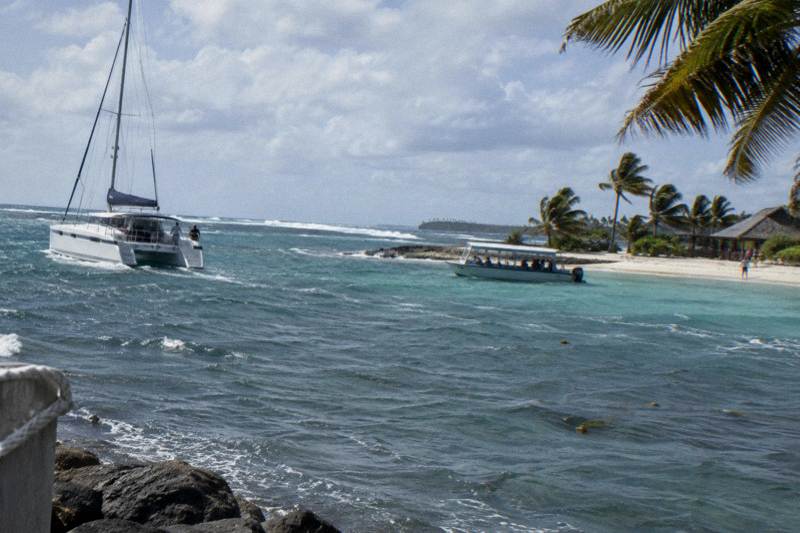
Is The Water Too Cold To Snorkel In Fiji In July?
A plain answer on Fiji's July water and air conditions for snorkellers, with dry-season temperature ranges, what to pack, and which day trips give the most time in the water.
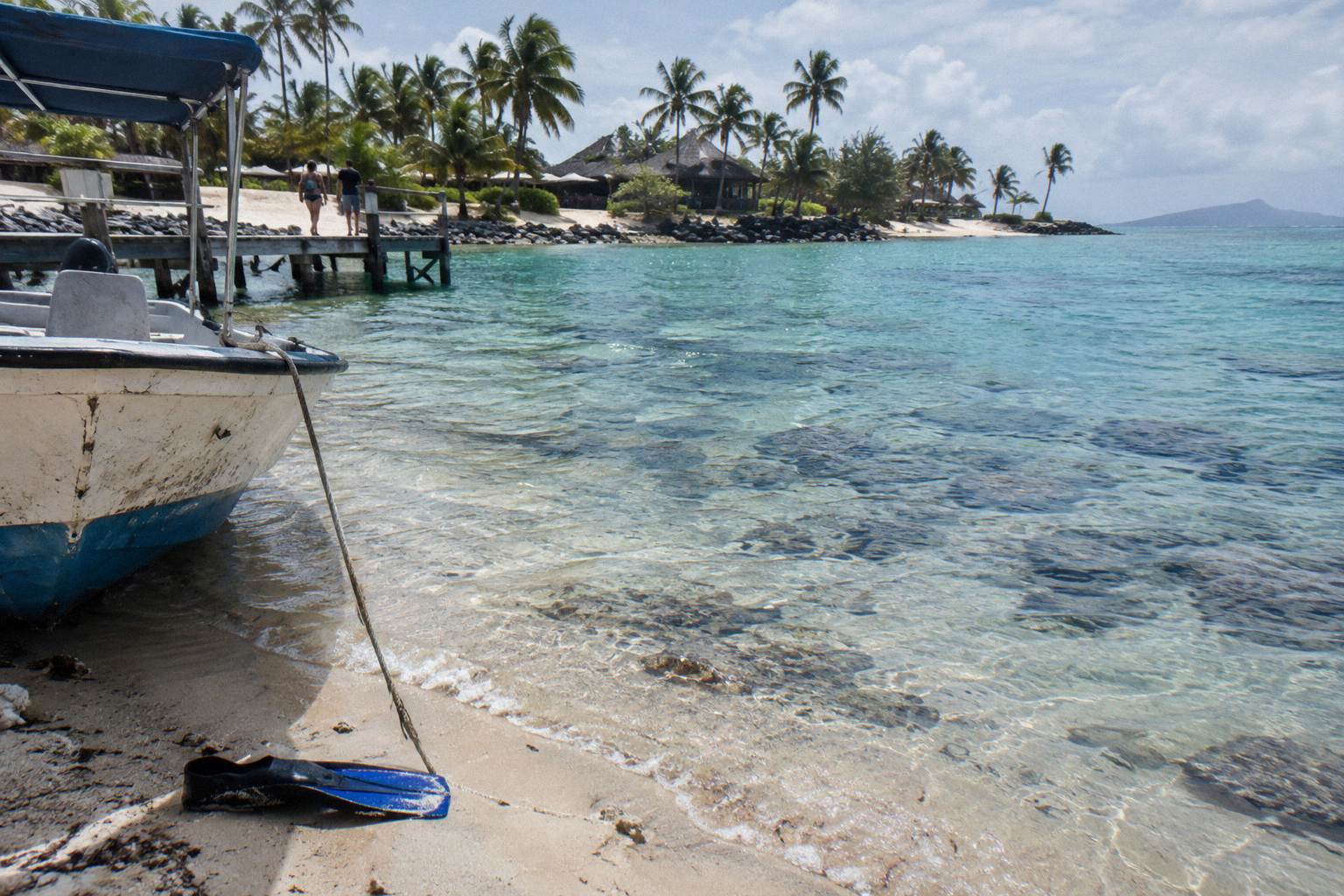
No. July falls inside Fiji's dry season, when most days sit between 19 and 28 degrees C and water temperatures, in Tourism Fiji's own words, don't fluctuate much through the year. Snorkellers on day cruises from Port Denarau swim comfortably in July; the bigger comfort factors are wind chill on the boat, a towel for after the swim, and how much time you spend wet rather than the water itself.
That single phrase from Tourism Fiji, that sea temperatures don't fluctuate much, is the most useful fact a July snorkeller can hold onto. Fiji sits in the tropics, and unlike a Mediterranean or Californian coast, where winter water can drop to a point where a wetsuit matters, the Fijian sea stays within a narrow band across the whole year. There is no published official sea temperature figure for Fijian waters in July, and no number should be trusted that claims one, but the seasonal pattern is well established: air cools slightly, sea barely moves.
What July actually changes is the feel of the day around the water. The dry season runs May to October and brings shorter, sunnier days, lower humidity, and the coolest air of the year in July and August. Rainfall drops by 50 to 75 percent compared with the wetter months of November to April. For a snorkeller, that trade is almost entirely positive: clear skies, calmer evenings, and water visibility that dry weather tends to favour, in exchange for a few degrees of air temperature you will barely notice once you are swimming.
The people who feel July's cool edge most are the ones standing around wet. On a Mamanuca day cruise you might spend an hour in the water, then ride an open deck back to Port Denarau with wind moving over damp skin. That is where a dry towel, a light layer and a windproof jacket earn their place in the day bag, more on that below. The sea itself is not the problem, the evaporative cooling after you leave it is.
If you are still choosing which trip to book, the length of your island time matters more than the month. A short morning trip gives one swim and a boat ride home; a full day gives you a swim, a warm-up on the sand, lunch, and a second swim when you feel like it.
What Fiji's Dry Season Actually Feels Like
Fiji's winter, May to October, is a dry, sunny season with average temperatures of 23 to 24 °C and most days between 19 and 28 °C, and July and August are its coolest months. For context, the summer wet season averages 25 to 26 °C and peaks at up to 31 °C, so July is roughly two to three degrees cooler on average than January, a difference most snorkellers will register as pleasant rather than cold.
The dry season has earned its reputation among returning visitors for good reason. Days are shorter and sunnier, humidity falls, and the long afternoon downpours of the wet season largely disappear. Tourism Fiji describes the dry months as bringing shorter, sunnier days, and the numbers back that up: rainfall drops by 50 to 75 percent compared with the wetter months. A July snorkel day is more likely to be interrupted by wind chill on the boat than by rain.
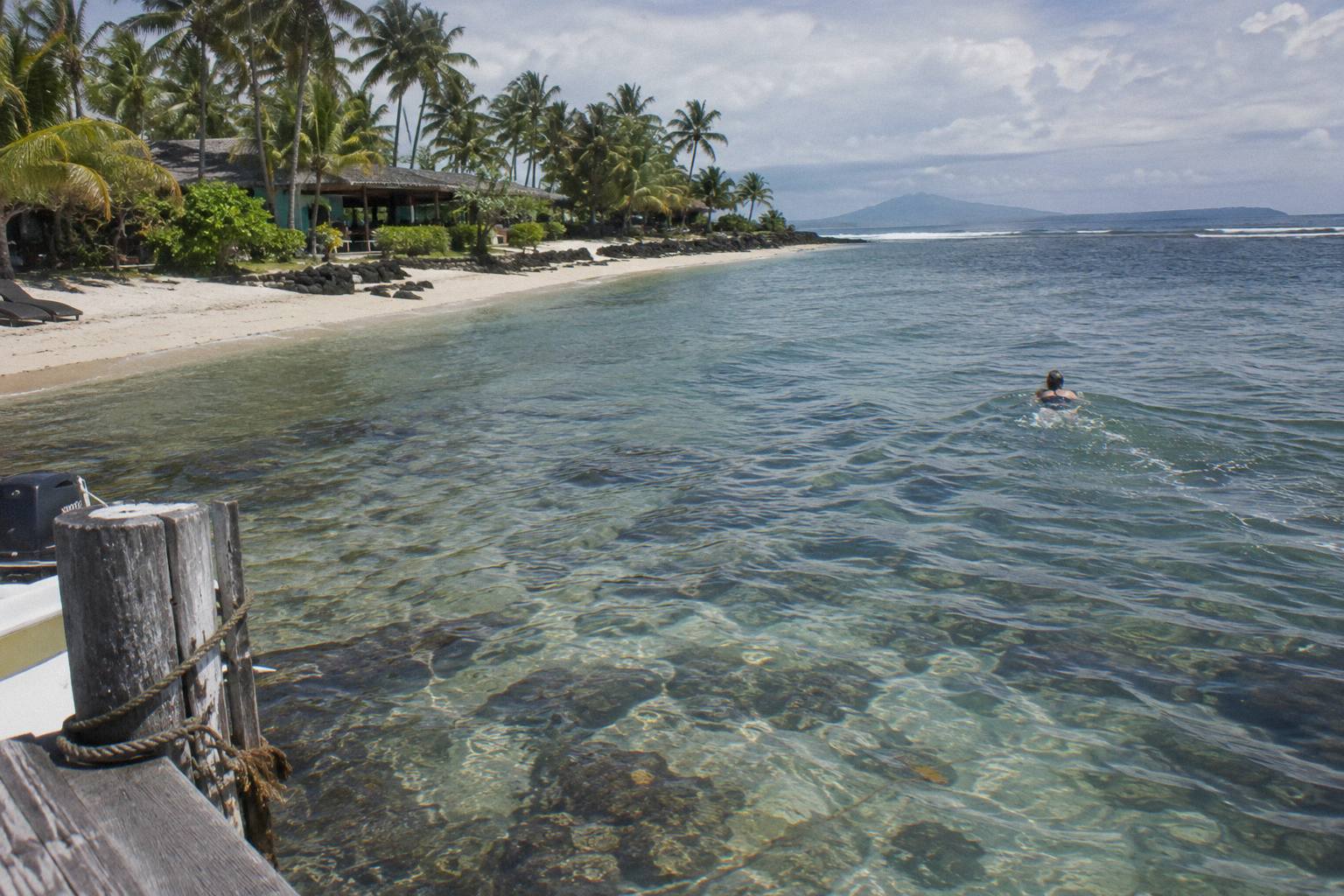
For context on the seasons, Tourism Fiji's climate guide for visitors is the reference for these ranges. On the question of the sea specifically, it notes only that water temperatures don't fluctuate much through the year, which is why no exact sea temperature appears anywhere in this article. The honest planning takeaway, without a number, is that the sea is not where July's coolness lives.
Here is how the two seasons compare for a day-cruise snorkeller:
| Season | Months | Average air temp | Daily range | What it means for snorkelling |
|---|---|---|---|---|
| Wet season (summer) | November to April | 25 to 26 °C | Up to 31 °C | Warm, humid, short afternoon downpours |
| Dry season (winter) | May to October | 23 to 24 °C | 19 to 28 °C most days | Sunnier, drier, coolest in July and August |
One more dry-season consideration belongs to July specifically. The Fiji Met Service's cyclone outlook places the tropical cyclone season from November to April, so July sits well outside it, with eleven to fifteen cyclones forecast for the 2026-27 season across the region's area of responsibility and the peak landing in January and February. July is, in plain terms, one of the safest months of the year to plan a day on the water without a cyclone watch in the back of your mind. The Fiji Meteorological Service climate pages carry the official outlooks if you want to read them yourself.
A full day trip makes the most of a dry-season window, since you are on the island through the warmest part of the day. The South Sea Island full day cruise departs Port Denarau at 10.00am and gives you until 4.00pm or 5.15pm on the island, from US$125 per person, amounts in US dollars that vary by date and group, with free cancellation up to 24 hours before start. If the price question is the one holding you back, the guide on South Sea Island pricing and the fuel surcharge covers what changes the total.
The surcharge point is worth one sentence here: a mandatory per-person fuel surcharge applies for travel from 3 November 2026 until further notice, reviewed monthly, and children pay a lower rate than adults on South Sea Island. It is payable online before departure or at check-in.
How To Stay Comfortable In The Water In July
The sea is comfortable; the moments around it are what you manage. Bring a towel you can reach straight after swimming, a light dry layer for the boat deck, reef-safe sunscreen applied before you board, and plan your swims around the middle of the day when the sun is highest. Snorkellers who do those four things rarely describe July water in Fiji as cold.
The core trick is thermal rhythm. Swim, get warm and dry, then swim again. On South Sea Island the day naturally breaks into cycles like this: a snorkel session off the beach, an hour on a towel in the sun, the BBQ buffet lunch at open-air rustic tables, another snorkel or a paddle board, then the Fijian meke performance before the boat home. Each wet spell is short and each dry spell restores you. Guests who try to spend the whole day in the water, any month of the year, end up chilled regardless of the sea temperature.
Rash vests deserve a mention. A thin long-sleeve rash guard does two jobs in July: it takes the edge off the first minutes in the water for swimmers who feel the cool easily, and it protects shoulders from sun during a multi-hour island day. It is not a wetsuit and does not need to be. Most day-cruise snorkellers in Fiji swim in swimwear alone, and the islands' complimentary snorkel gear, kayaks and stand-up paddle boards at South Sea Island are used all year without thermal protection.
Wind is the factor nobody packs for. The catamarans running from Port Denarau have air-conditioned lounges and open-air outer decks, and the open deck is where you want to be on the crossing, so a windproof layer turns that ride from bracing to pleasant. The crossing to South Sea Island is about 30 minutes on the early timetable and about 45 minutes on the 10.00am departure, a short exposure, but enough to chill wet skin if the trade breeze is up.
For swimmers who know they feel the cold, the choice of trip can do half the work:
| If you feel the cool easily | Better trip choice | Why it helps |
|---|---|---|
| One short swim is enough | Finding Nemo morning trip, from US$65 per person, about 3 to 4 hours | Swim early, back on the boat before midday |
| Swim and warm up, repeat | Full day trip, from US$125 per person, on the island until 4.00pm or 5.15pm | Long gaps in the sun between sessions |
| Prefer not to get wet at all | Half day trip with the semi-submersible coral viewer | Watch the reef through the viewer's windows |
| Steady gentle pace | Half day trip, from US$108 per person, on the island 12.45pm to 5.15pm | Warmest hours of the day ashore |
The half day trip, rated 4.6 from 123 reviews, arrives on the island at 12.45pm and leaves at 5.15pm, which places your whole island window inside the day's warmest stretch. It suits July snorkellers who want the water at its most forgiving without committing to the full day.
Which Day Trips Give You The Most Time In The Water
Time in the water tracks time on the island, and the rosters differ sharply. The South Sea Island full day gives you from 10.45am until 4.00pm or 5.15pm ashore; the combo gives about 3.5 hours on the island plus a sightseeing cruise through the Mamanuca group; Castaway Island gives 5 hours ashore; and Kuata, in the Yasawa group, gives about 5 hours ashore after a 1 hour 45 minute crossing each way.
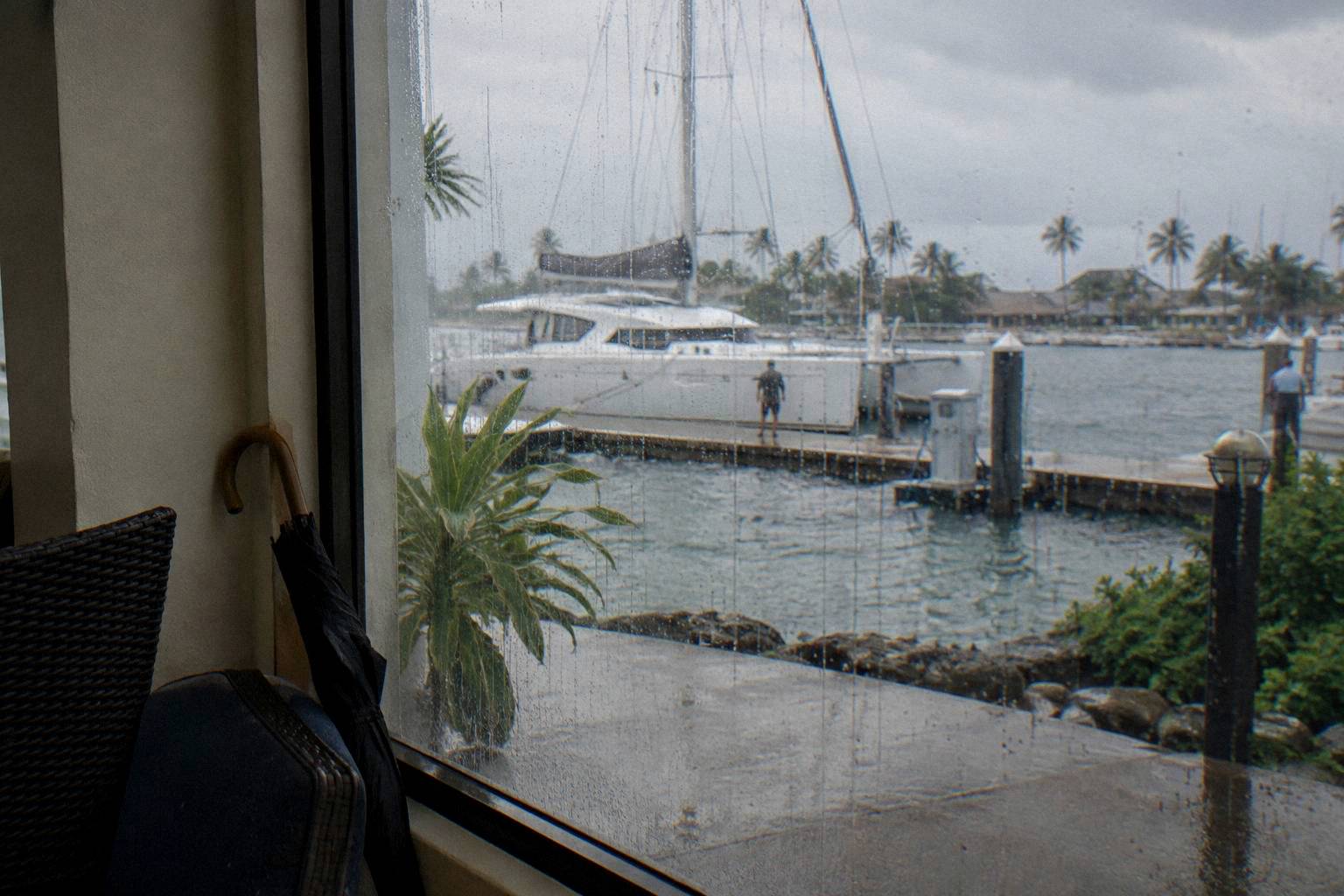
For a July snorkeller, longer ashore is not just more holiday, it is thermal strategy. Every extra hour on the island is an hour you can spend alternating between water and sun rather than compressing your swims into one cold window. South Sea Island works well for that rhythm because everything is close together: the snorkel area, the saltwater swimming pool, the open-air lunch tables and the beach are all within a short walk on a small island. Complimentary snorkel gear, kayaks and paddle boards mean you can drift in and out of the water all afternoon without extra cost. Other pages covering the same trip are gathered on South Sea Island Cruises.
The combo trip adds a twist that suits a cool-sensitive swimmer: about 3.5 hours on the island in the morning, then a sightseeing cruise through the Mamanuca Islands while the boat drops off and picks up resort guests. You get your swim in the warmest part of the day, then spend the early afternoon dry on deck watching the islands go by. The operator's own combo cruise page describes the route in detail.
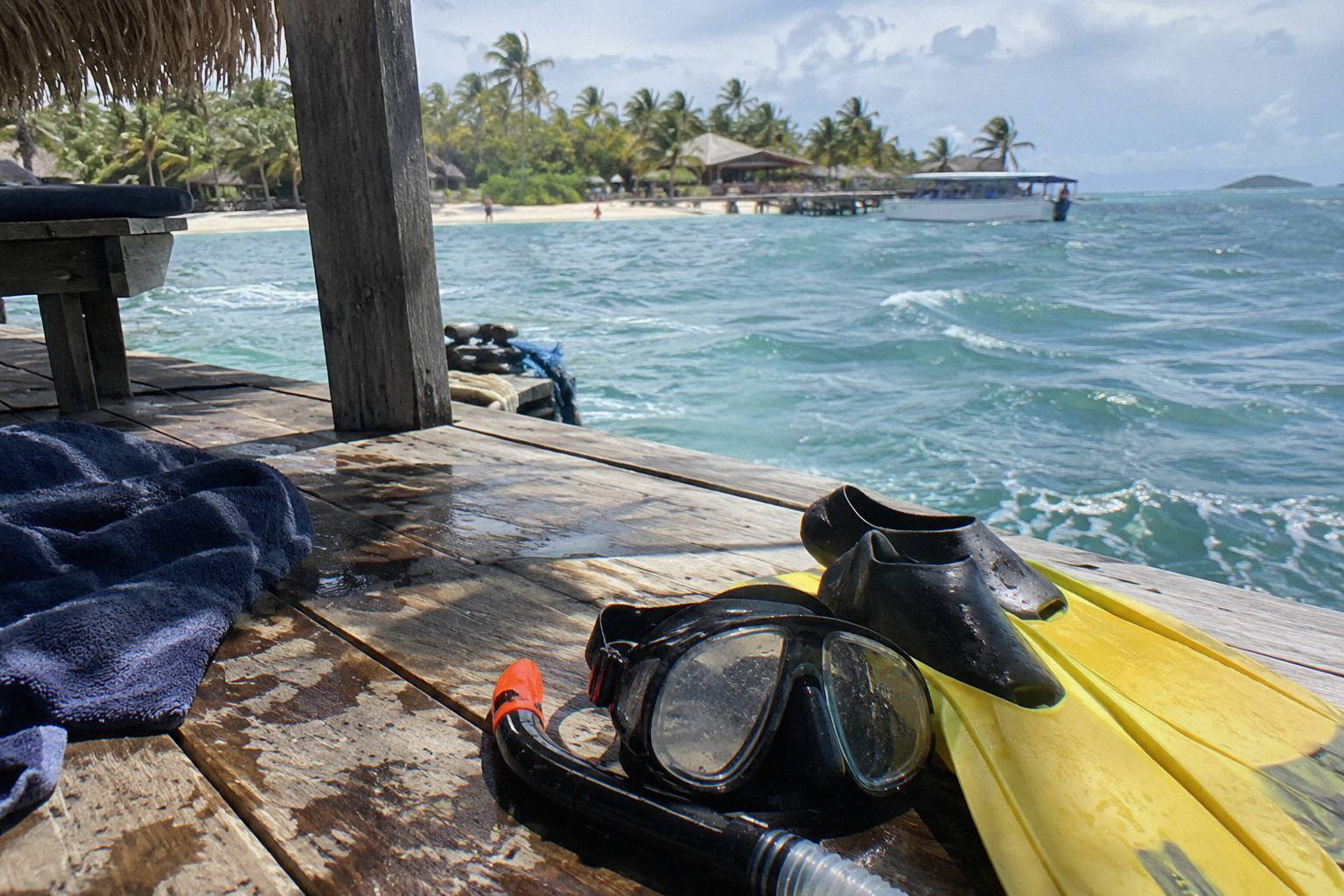
The Finding Nemo morning trip, from US$65 per person and rated 4.4 from 21 reviews, is the opposite trade and a good one for cautious swimmers. You depart Port Denarau at 8.45am, arrive at 9.15am, and have the island mostly to yourselves because other day guests do not arrive until 10.45am. The water is the same temperature the full day crowd finds two hours later; what differs is the quiet, the empty snorkel area, and the fact that you are back on the boat by 11.45am. One good swim, then a warm, dry, short crossing home.
For swimmers who want the reef without the swim at all, the semi-submersible coral viewer on South Sea Island runs below the waterline and shows the reef through its windows, and the Finding Nemo trip is built around it. The viewer carries a caveat worth knowing: no refund applies if it is out of service for maintenance or repairs, and on the combo it is subject to availability. The guide on semi-submersible coral viewing in Fiji goes deeper on how it works.
What To Pack For A July Snorkel Day
Pack as if for a warm day with a cool edge: swimwear, a towel you can reach quickly, a dry change of clothes for the boat home, reef-safe sunscreen, a hat, sunglasses, footwear or reef shoes, and a light windproof layer. Cash or a card covers extras like the island massage, the premium bar and the shell market, and card payments carry a small non-refundable admin fee.
The towel point deserves its own sentence because it is the one item people get wrong. A towel buried at the bottom of a shared day bag is useless when you climb out shivering; one you can reach in ten seconds changes the entire feel of a July swim. The same logic applies to the dry layer: put it where you can grab it the moment you board the return catamaran, not under everyone else's gear.
Sunscreen in July is not optional despite the cooler air. The dry season's clearer skies and the reflected glare off the water mean you can burn on a 24 °C day as thoroughly as on a 31 °C one. Reef-safe sunscreen is the considerate choice around coral, and a hat plus a rash vest reduces how much skin ever needs it. Sunglasses matter most on the open-deck crossing, where the low winter sun over water is constant.
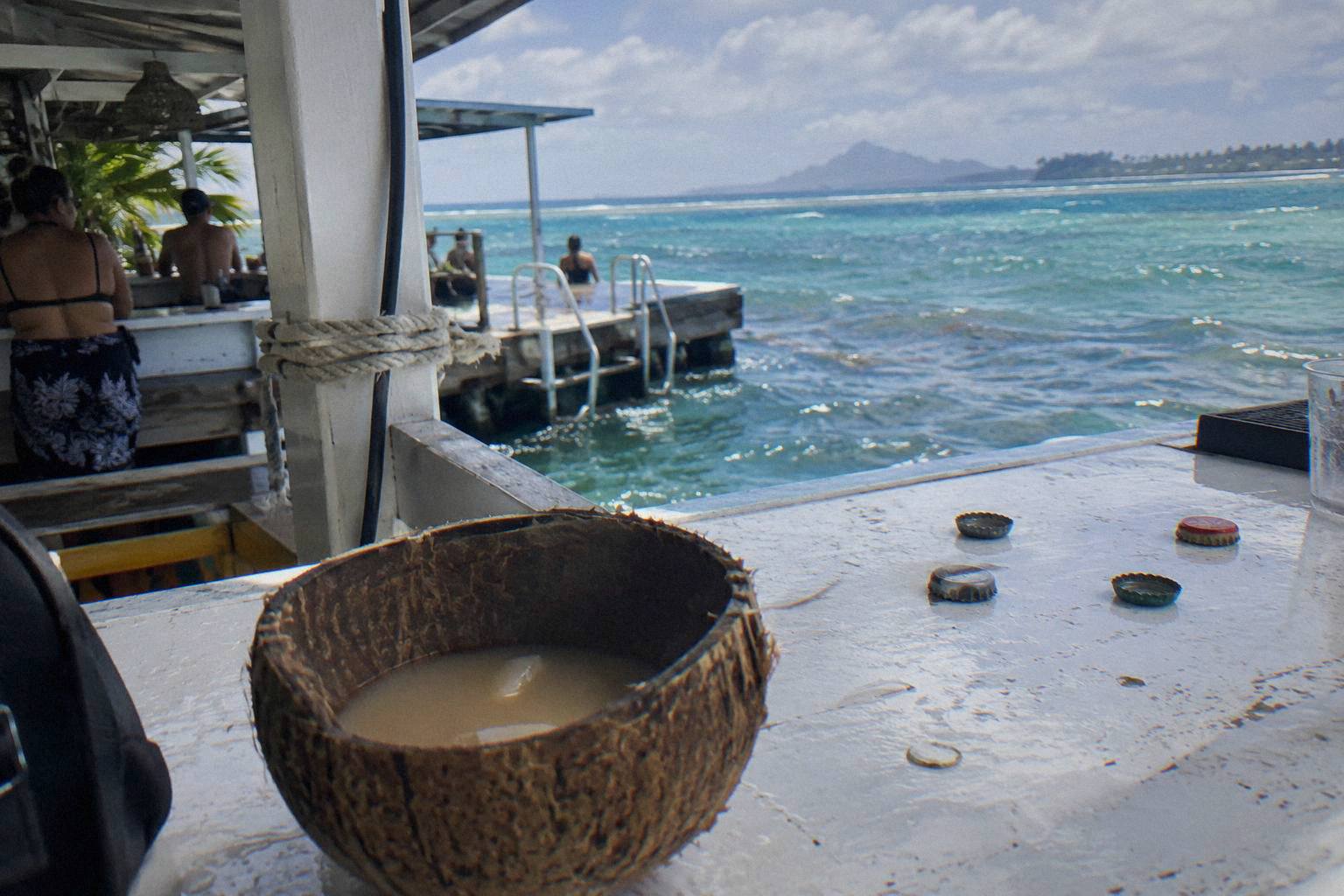
The island extras shape the packing list too. On South Sea Island, local beer, house wine, filtered water and soft drinks are complimentary while you are on the island, so you do not need to carry drinks. The Tipsy Turtle premium bar serves cocktails, spirits, snacks and ice cream at your own cost, alongside the island massage and the shell market, so a payment method is the only real essential beyond the swim kit.
| Item | Why it matters in July |
|---|---|
| Towel within easy reach | Drying fast stops the post-swim chill |
| Light windproof layer | Open decks on the 30 to 45 minute crossing |
| Rash vest | Warmth in the water plus sun cover out of it |
| Reef-safe sunscreen and hat | Clear dry-season skies burn as hard as summer ones |
| Reef shoes or footwear | Coral and rock underfoot at the water's edge |
| Card or cash | Extras, the premium bar and the shell market |
Families have one less thing to carry: the Kids Club on South Sea Island for ages 3 to 12 is complimentary, with children supervised by an adult, and children aged 5 to 15 pay child rates on South Sea Cruises trips while infants 4 and under travel free. If you are planning around younger swimmers, the article on taking kids to South Sea Island covers the practical side of a family day.
What Trips People Up Before You Book
Most July disappointment comes from planning errors, not water temperature: booking a short trip when you wanted a full warm-up cycle, arriving without a towel or a layer for the deck, assuming the sea temperature number exists somewhere, and forgetting the fuel surcharge and check-in timing. Each of these is a five-minute fix once you know about it.
The first trap is the phantom sea temperature figure. Travellers search for an exact July sea temperature for Fiji and find numbers on travel forums and aggregation pages, but no official Fijian source publishes one. Tourism Fiji's own guidance is the qualitative statement that water temperatures don't fluctuate much through the year. Plan around that, and around the fact that dry-season air of 19 to 28 °C sits well within the comfortable band for swimming, and you are planning on better information, not worse.
The second trap is underestimating the operator's small print. A mandatory per-person fuel surcharge applies for travel from 3 November 2026 until further notice, payable online before departure or at check-in, with a lower rate for children 5 to 15 on South Sea Island, and some booking pages show it as excluded from the headline price. Count it in when you budget, and check when booking which side of the line your fare falls. The operator reviews the surcharge monthly against Fiji diesel prices set by Fiji's competition and consumer regulator.
The third trap is timing. Check-in for South Sea Cruises day trips is at the operator's desk in the Port Denarau Terminal, 30 minutes before departure, and the coach from your hotel needs to be pre-booked, most Nadi, Denarau and Wailoaloa hotels are covered on the half day, with Vuda, Natadola, Sonaisali, Momi Bay and Coral Coast hotels added on the full day. Miss the coach window and the warmest part of the day shrinks. The marina itself is only 20 minutes from the international airport and 10 minutes from Nadi town, which makes a late-morning start recoverable if you are staying nearby.
The fourth trap is expecting the wrong island. South Sea Island is tiny, explorable in the time a half or full day gives you, and its character is a busy, sociable day-trip island with a pool, a reef on the doorstep and a meke performance daily except Sundays. Travellers who picture a quiet private isle sometimes leave disappointed by the crowd rather than the temperature, and the piece on how crowded South Sea Island gets sets that expectation straight before you commit.
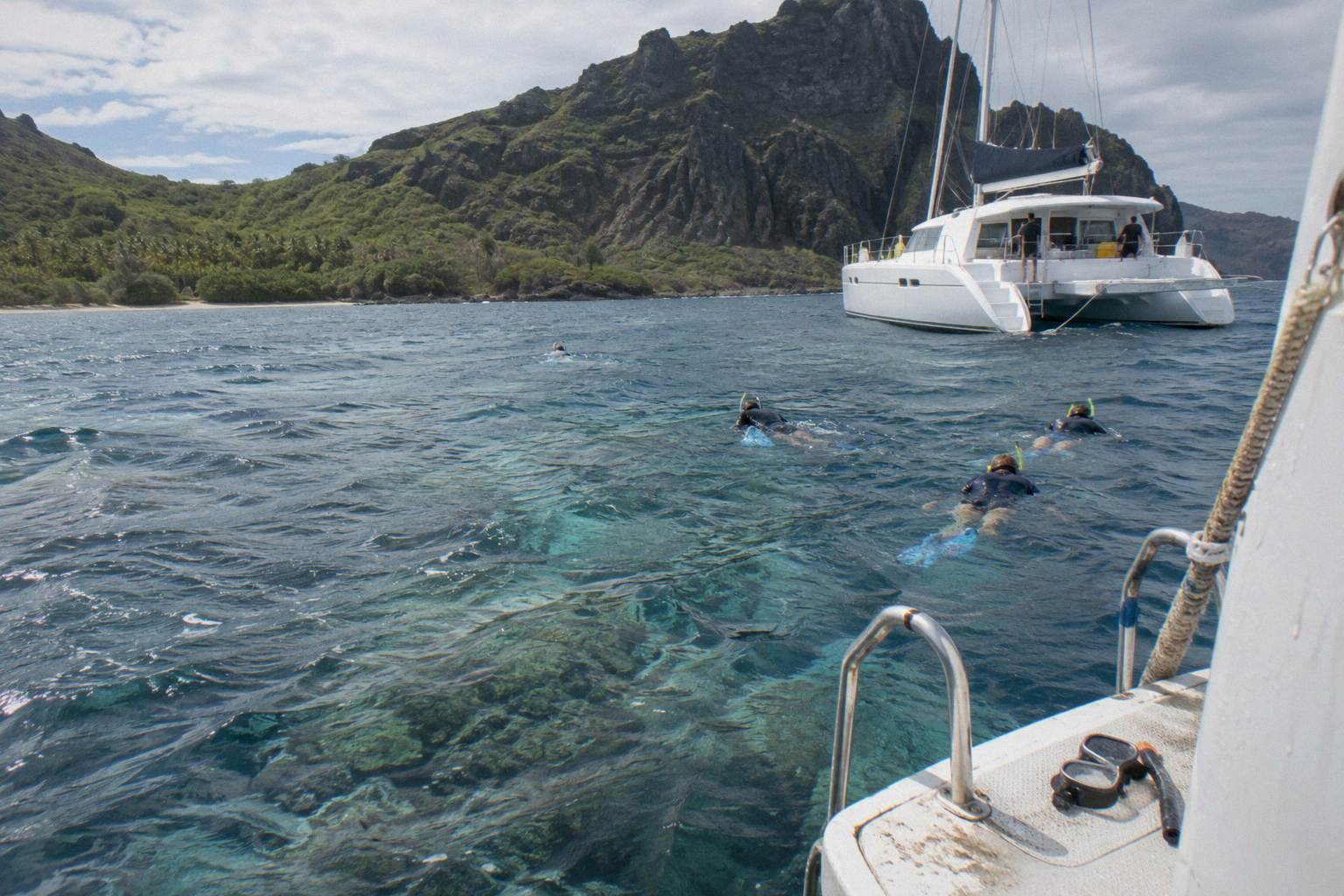
For anyone weighing the July trip against waiting for warmer months, the decision rarely hinges on the water. The same sea, the same reef and the same gear are there from January to December; what July trades away in a degree or two of air it returns in sunshine, low rain and calm planning outside cyclone season. For a fuller seasonal comparison, see South Sea Island weather and the best time to go.
Common Questions About July Snorkelling In Fiji
Is The Water Too Cold To Snorkel In Fiji In July?
No. July sits in the dry season with most days between 19 and 28 °C, and Tourism Fiji notes that water temperatures don't fluctuate much through the year. Snorkellers swim comfortably on July day cruises; a towel and a light layer for the boat deck handle the rest.
What Is The Sea Temperature In Fiji In July?
No official Fijian sea temperature figure is published. Tourism Fiji's guidance is that water temperatures don't fluctuate much through the year, so the July sea sits close to its year-round band rather than dropping the way temperate coastlines do in winter.
Do I Need A Wetsuit To Snorkel In Fiji In July?
Almost nobody wears one. Most day-cruise snorkellers swim in swimwear, and a thin rash vest is enough for swimmers who feel the cool easily, since it also doubles as sun protection on a long island day.
Which Are The Coolest Months In Fiji?
July and August, inside the May-to-October dry season, with an average of 23 to 24 °C and most days between 19 and 28 °C. That is roughly two to three degrees cooler than the wet-season average of 25 to 26 °C.
Does It Rain A Lot In Fiji In July?
It is one of the driest stretches of the year. Dry-season rainfall runs 50 to 75 percent below the wetter November-to-April months, and days are described as shorter and sunnier, so rain rarely spoils a July snorkel day.
Which Day Trip Is Best If I Get Cold Easily?
One with a long island window and sun between swims. The South Sea Island full day keeps you ashore from 10.45am until 4.00pm or 5.15pm from US$125 per person, while the Finding Nemo morning trip from US$65 per person suits swimmers who prefer one early swim and a short, dry crossing home.