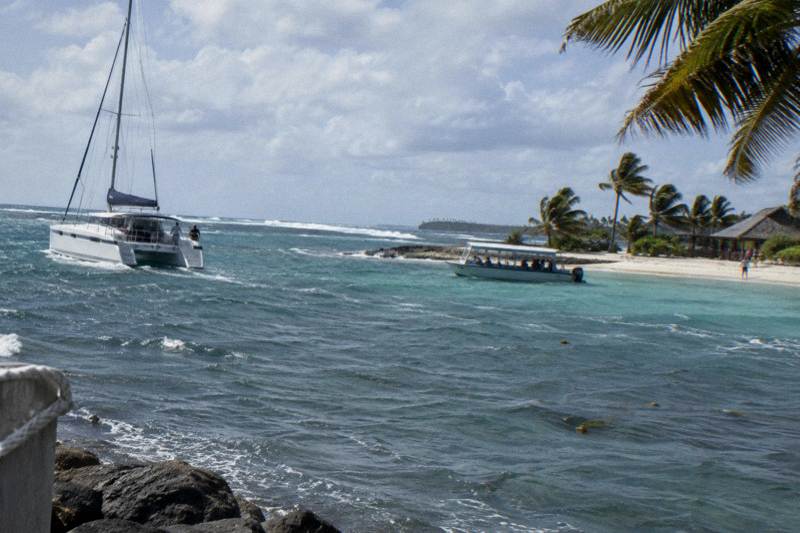
Mamanuca Islands Snorkeling From A Day Cruise
Snorkelling is the headline activity on nearly every Mamanuca day cruise from Port Denarau, but the trips differ in how they run it, from complimentary gear on a sheltered reef to a marine-biologist-guided snorkel and a marine-reserve experience further north.
Short answer
Every major Mamanuca day cruise includes snorkelling in some form. South Sea Island hands out complimentary gear off the beach, the Captain Cook Tivua trip from US$107 per person adds a marine-biologist-guided snorkel and glass-bottom boat, and the Kuata trip snorkels in a marine reserve. Which one suits you depends on guidance, crossing time and price.
If you are weighing up a snorkelling day on the reef, the trips all depart from the same place and cover much of the same water, so the real comparison is how each one handles the snorkelling itself. Start with the full-day island cruises overview to see the shape of each day, then come back for the reef-by-reef detail below. Amounts shown are US dollars and vary by date and group.
| Fact | Detail |
|---|---|
| Main snorkelling base | South Sea Island, Mamanuca group |
| Guided snorkel option | Tivua Island with a marine biologist, Captain Cook Cruises |
| Marine-reserve snorkel | Kuata Island, Yasawa group, about 1 hour 45 minutes each way |
| Cheapest printed snorkel trip | Finding Nemo morning trip, from US$65 per person |
| Guided trip price | Captain Cook Tivua island and reef day, from US$107 per person |
| Typical crossing | 30 to 45 minutes to South Sea Island, about 60 minutes to Tivua or Cloud 9 |
| Departure point | Port Denarau Terminal, check-in 30 minutes before departure |
| Cancellation | Free up to 24 hours before start on most trips |
Which Day Cruises Include Snorkelling?
Every Mamanuca Islands day cruise from Port Denarau builds snorkelling into the day, but in four different ways: complimentary gear you use off the beach at your own pace, a guided snorkel led by a marine biologist, a marine-reserve snorkel on a Yasawa trip, and gear carried to a floating platform. The cheapest printed entry point is the Finding Nemo morning trip from US$65 per person, while the guided options sit higher.
The difference matters more than most first-time visitors expect. On South Sea Island the snorkelling is self-directed: you collect complimentary gear, walk into the water off the beach and swim where you like, with swimming and snorkelling possible even at low tide. On the Tivua trip the snorkel is a scheduled activity with a guide, and a glass-bottom boat runs alongside for anyone who would rather stay dry. Kuata is the furthest afield, a snorkel inside a marine reserve area reached after a 1 hour 45 minute crossing each way.
Cloud 9 sits apart from all of these. It is a two-level floating bar and wood-fired pizzeria on Ro Ro Reef rather than an island, and the snorkelling there is a side activity around the platform, with gear rental on one booking and gear included on the other. The water around it is open ocean, and currents on the reef can be strong, so it is the least beginner-oriented snorkel of the group. Children under 10 are not suitable there.
| Trip | Island | How snorkelling runs | Guidance | Gear |
|---|---|---|---|---|
| South Sea Island full and half day | South Sea Island | Off the beach, own pace | None | Complimentary |
| Finding Nemo morning trip | South Sea Island | Off the beach, island nearly empty before 10.45am | None | Complimentary on island |
| Captain Cook Tivua day | Tivua (Kadavu Lailai) | Guided snorkel plus glass-bottom boat | Marine biologist | Included |
| Kuata conservation day | Kuata Island | Snorkel in a marine reserve area | Guided | Included |
| Beachcomber day | Beachcomber Island | Snorkelling in a protected marine sanctuary | None | Gear and glass-bottom boat |
| Cloud 9 day trips | Ro Ro Reef platform | Snorkel around the floating platform | None | Rental on one booking, included on the other |
South Sea Island: Complimentary Gear And A Sheltered Reef
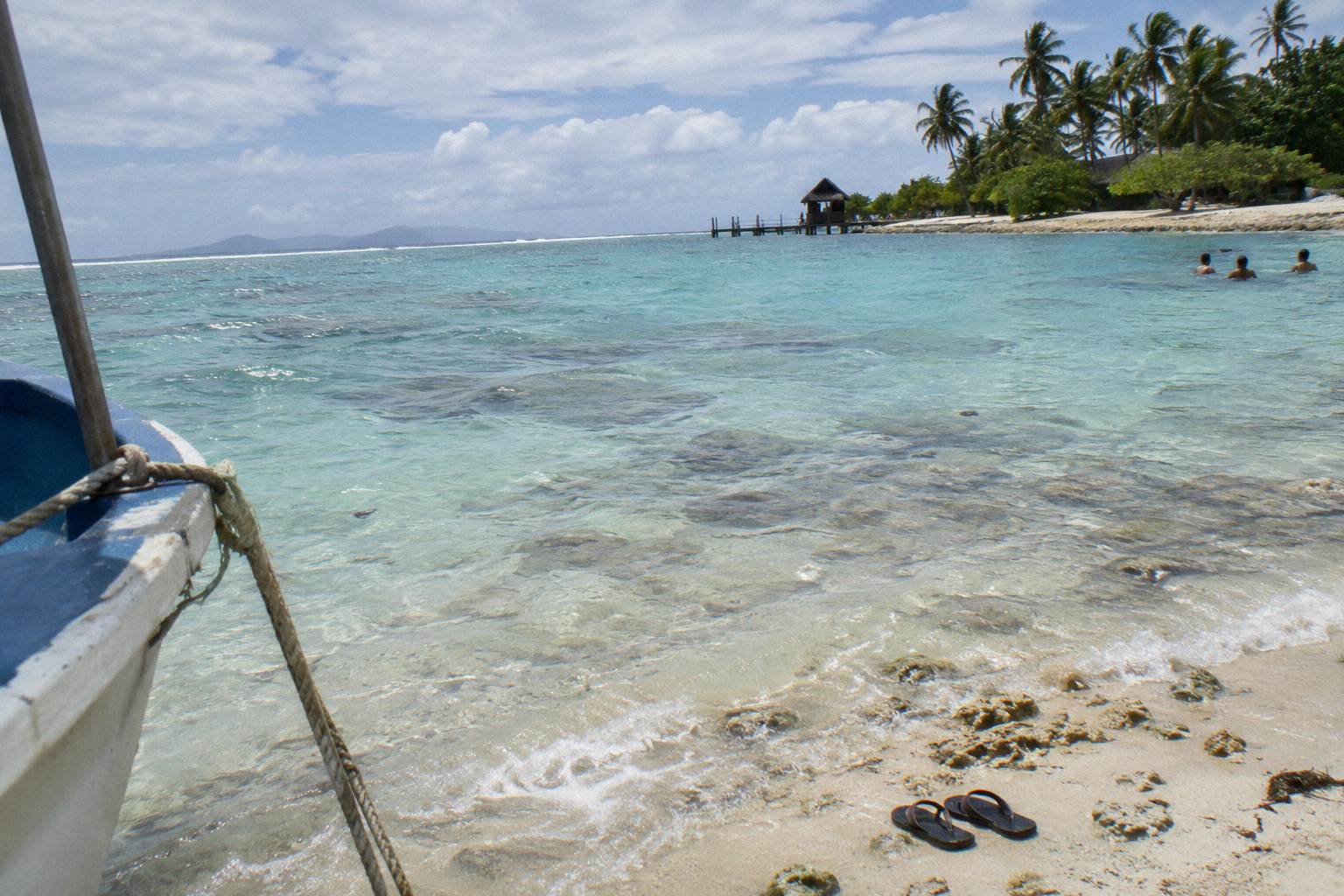
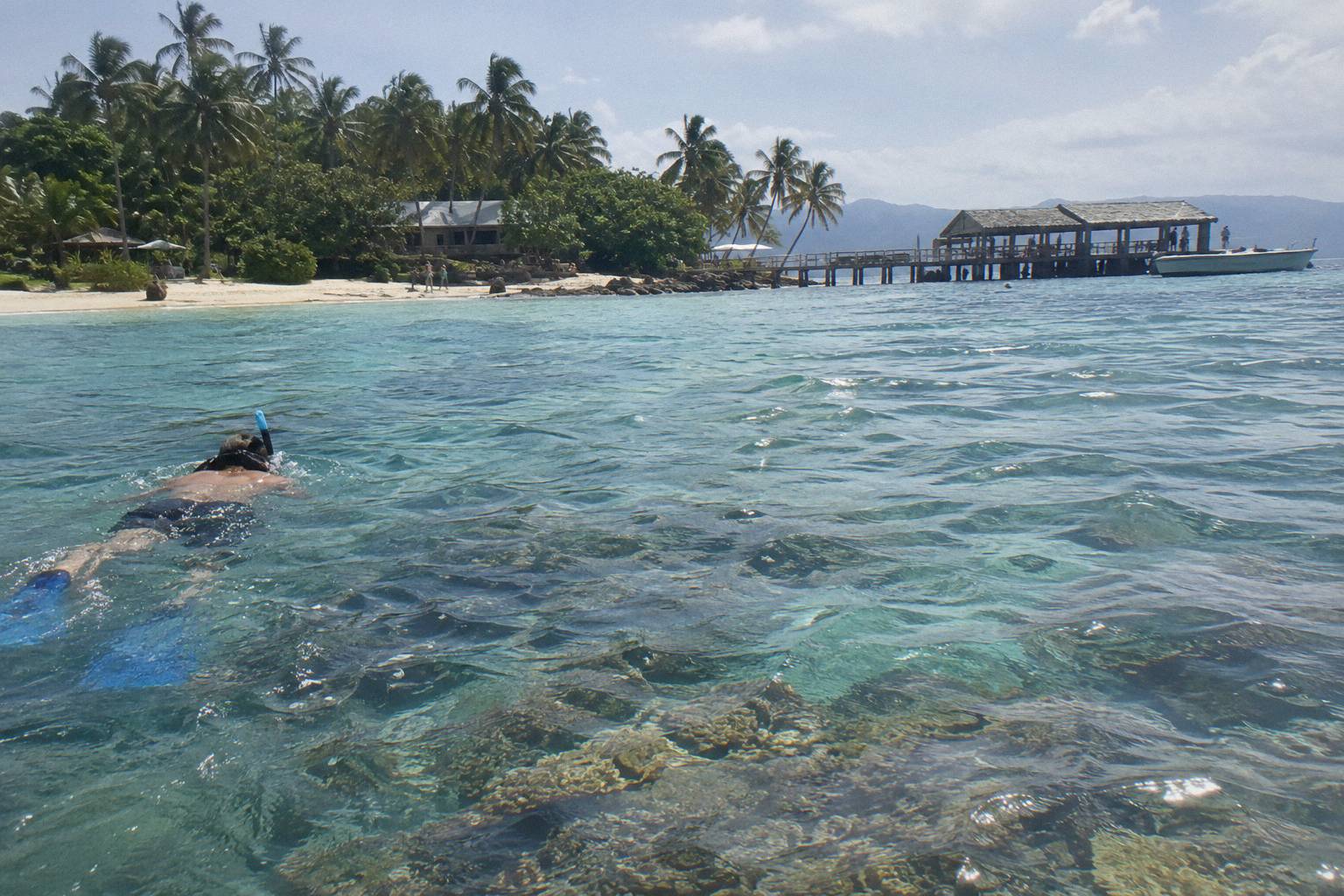
South Sea Island is the simplest and most flexible snorkel of the Mamanuca options because the gear is complimentary and the reef sits right off the beach, so you snorkel when you want, for as long as you want, between the BBQ lunch and the kayaks. The full day costs from US$125 per person and rates 4.5 from 296 reviews. The trade-off is that there is no guide in the water with you.
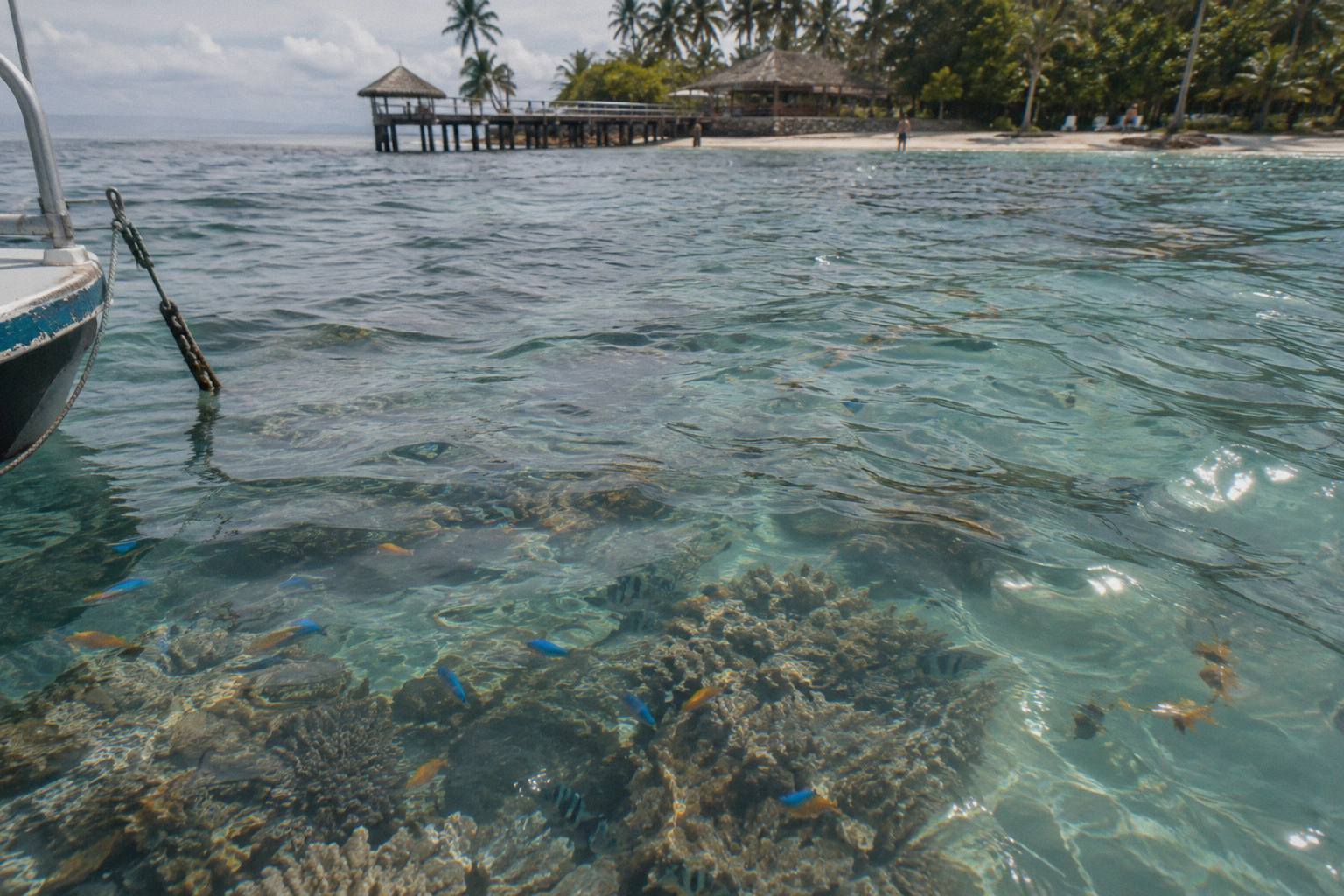
The island is tiny, small enough that the operator describes it as explorable in the time a half-day trip gives you, but the water around it carries the day. Complimentary snorkel gear, stand-up paddle boards and kayaks all come with the day, and a semi-submersible coral viewer runs for anyone who wants to see the reef without getting wet, with the caveat that there is no refund if the viewer is out of service for maintenance or repairs. A saltwater swimming pool backs the beach, and swimming and snorkelling are possible even at low tide.
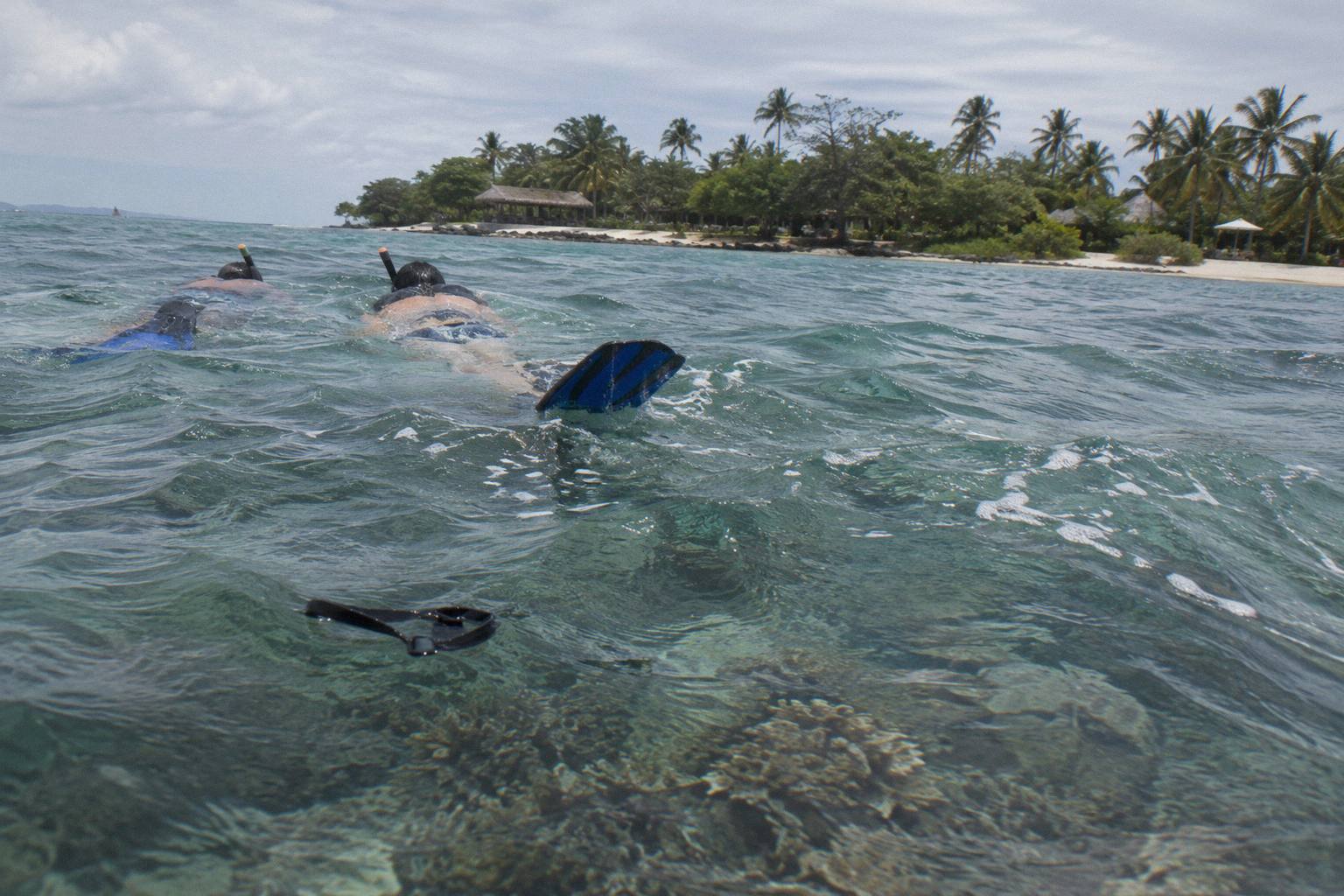
Two trips work this reef at opposite ends of the day. The full day arrives at 10.45am and leaves at 4.00pm or 5.15pm, sharing the water with the day crowd. The Finding Nemo morning trip, from US$65 per person, departs 8.45am, lands at 9.15am and leaves at 11.15am, before the other day guests arrive at 10.45am, so Nemo guests have the island and its reef mostly to themselves. It includes drinks but no lunch. That quiet-morning window is the single best argument for the early start if clear-water snorkelling is the priority.
The crossing itself is short by Mamanuca standards, 30 minutes on the 8.45am timetable and 45 minutes on the 10.00am full-day sailing, and the vessel carries an air-conditioned lounge, open-air decks and free Wi-Fi. Guests then move from the catamaran to the island by a short tender boat ride. For more on the trade-offs between the two day lengths, see whether full day or half day suits you, and for the reef itself, the South Sea Island snorkeling guide goes deeper on where to get in the water.
If the self-directed style suits you, the full day gives you the longest window on the reef, roughly five to seven hours ashore depending on the return sailing you choose. Families get a further nudge: a complimentary Kids Club runs for ages 3 to 12 with children supervised by an adult, so one parent can snorkel while the other is ashore, then swap. The operator's own page on the island, southseacruisesfiji.com/day-trips/south-sea-island, spells out the inclusions if you want to confirm before booking.
Tivua Island: A Guided Snorkel With A Marine Biologist
The Captain Cook Tivua trip is the only Mamanuca-area day cruise where the snorkel is led by a marine biologist, with a glass-bottom boat running as the dry alternative, which makes it the strongest choice for swimmers who want to actually understand the reef rather than just float over it. It runs 7 hours, from US$107 per person, and rates 4.5 from 448 reviews.
The day is built as a sailing trip: about 60 minutes each way under sail from Port Denarau Marina, departing 10am and back at 5pm, landing on Tivua, also called Kadavu Lailai, an island north of South Sea Island. Morning and afternoon tea, a BBQ lunch and drinks come with the day, and the guided snorkel and glass-bottom boat are part of the same package rather than paid extras. The guided format is the point. A biologist in the water turns a swim into an explanation, pointing out what you are looking at and why the reef is built the way it is.
For anyone uncertain in the water, or travelling with a mixed group of confident swimmers and non-swimmers, the two-track structure removes the usual pressure. Half the group can be out with the guide while the other half rides the glass-bottom boat over the same reef, and nobody sits on the sand waiting. The semi-submersible and glass-bottom boat guide covers how these dry reef-viewing options compare across Fiji day trips if that angle decides it for you.
The trip pairs well with a stay anywhere in Nadi or Denarau, since return land transfers run from listed Nadi and Denarau pickup points. Cancellation is free up to 24 hours before start. You can read the full Tivua island and reef day trip details on its tour page, or check availability for your dates.
A second Tivua booking covers much the same ground with a different emphasis: the Tivua Island Reefs, BBQ and Marine Biologist Snorkel trip also runs 7 hours from Port Denarau, departing 10am and returning 5pm. Its price is on its own booking page. If the guided format is what you are after, either Tivua booking answers it.
Kuata Island: Snorkelling Inside A Marine Reserve
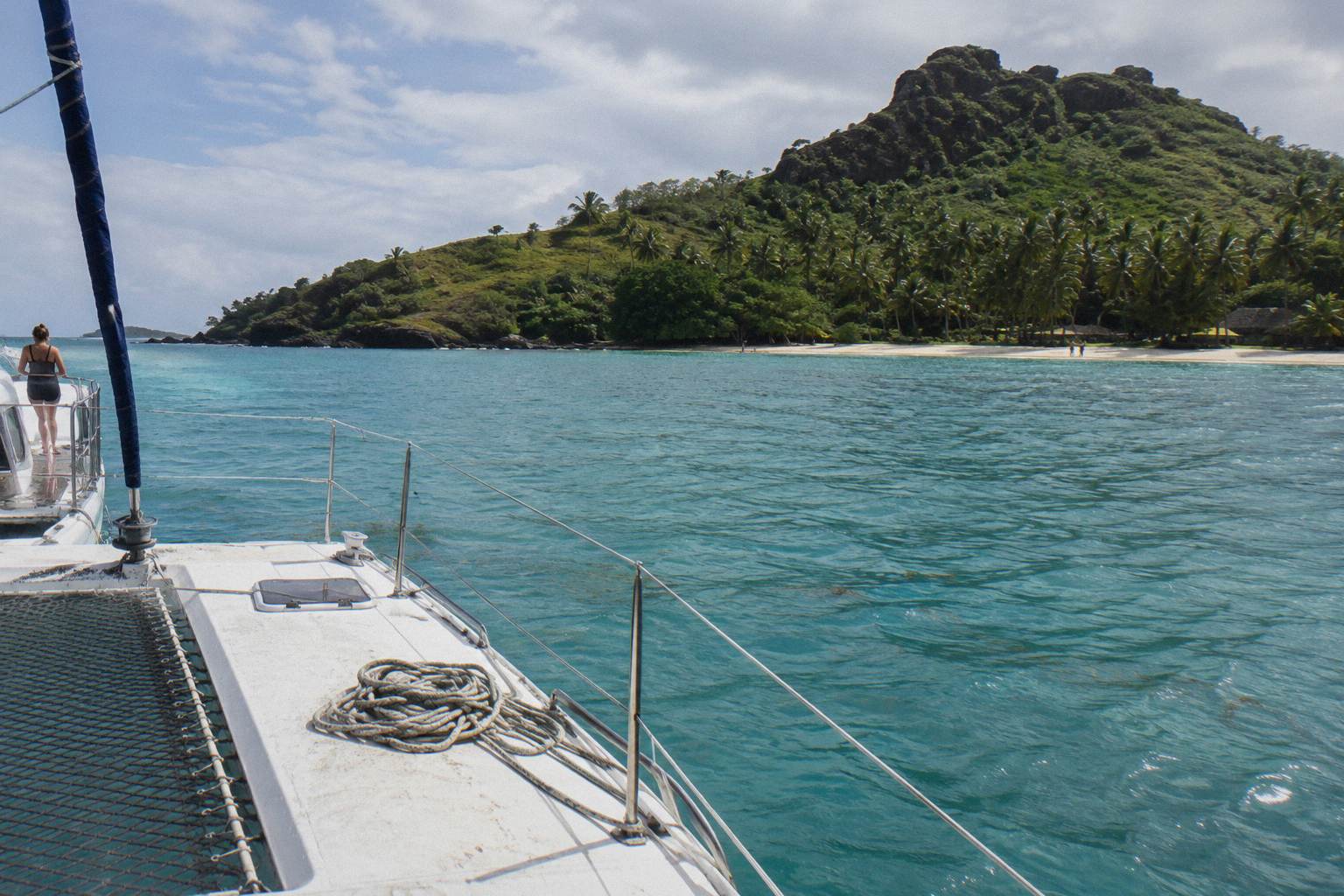
Kuata is the commitment option: a 1 hour 45 minute crossing each way into the Yasawa group, rewarded with snorkelling in a marine reserve area, an island welcome with kava, a cultural centre, a meke performance, a craft workshop and a cooking demonstration, with buffet lunch included. The long boat day buys you a reef that day crowds from Port Denarau never reach.
The trip departs 8.45am, arrives 10.30am, leaves at 4.05pm and is back at 6.00pm, which makes it a full day with roughly five and a half hours ashore. The marine-conservation framing is the differentiator: the snorkelling happens inside a reserve area, and the day is structured around the island's culture as much as its water. It is the right pick for a second or third Fiji day trip, once you have done a closer island and want the longer, quieter crossing.
Coach pick-ups cover most Nadi, Denarau, Vuda and Wailoaloa hotels. The price for the Kuata trip is on its booking page, and the free-cancellation window is one to confirm when booking. Compare the crossing math before committing: Kuata is more than three times the boat time of South Sea Island each way, and that time comes off your beach hours, though it is spent running through open Yasawa water that closer trips never touch.
Cloud 9, Beachcomber And The Floating-Reef Options
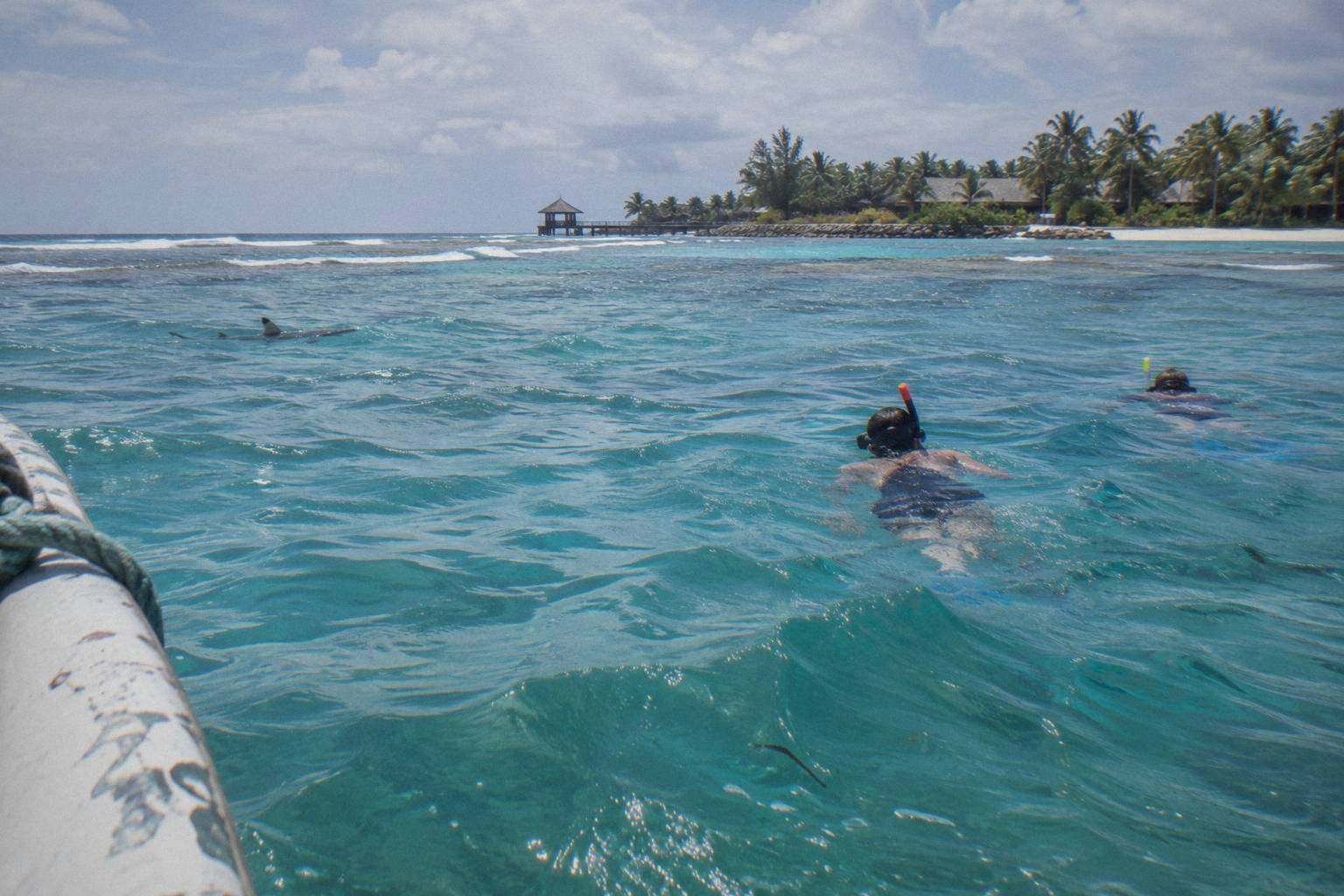
Two further trips put you in snorkelling water without the classic island-beach setup. Beachcomber Island sits inside a protected marine sanctuary with snorkelling, kayaking and a glass-bottom boat, about 6 hours ashore, while Cloud 9 is a floating bar and pizzeria on Ro Ro Reef where snorkelling is optional and the currents can be strong.
Beachcomber is the closer cousin of the South Sea Island day: a small Mamanuca island ringed by sanctuary water, with check-in at the booth at Port Denarau Marina and about 6 hours on the island. It suits the swim-and-do-nothing-else plan, and the sanctuary designation means the snorkelling sits right off the sand. Its departure time is chosen on the booking calendar rather than a fixed timetable.
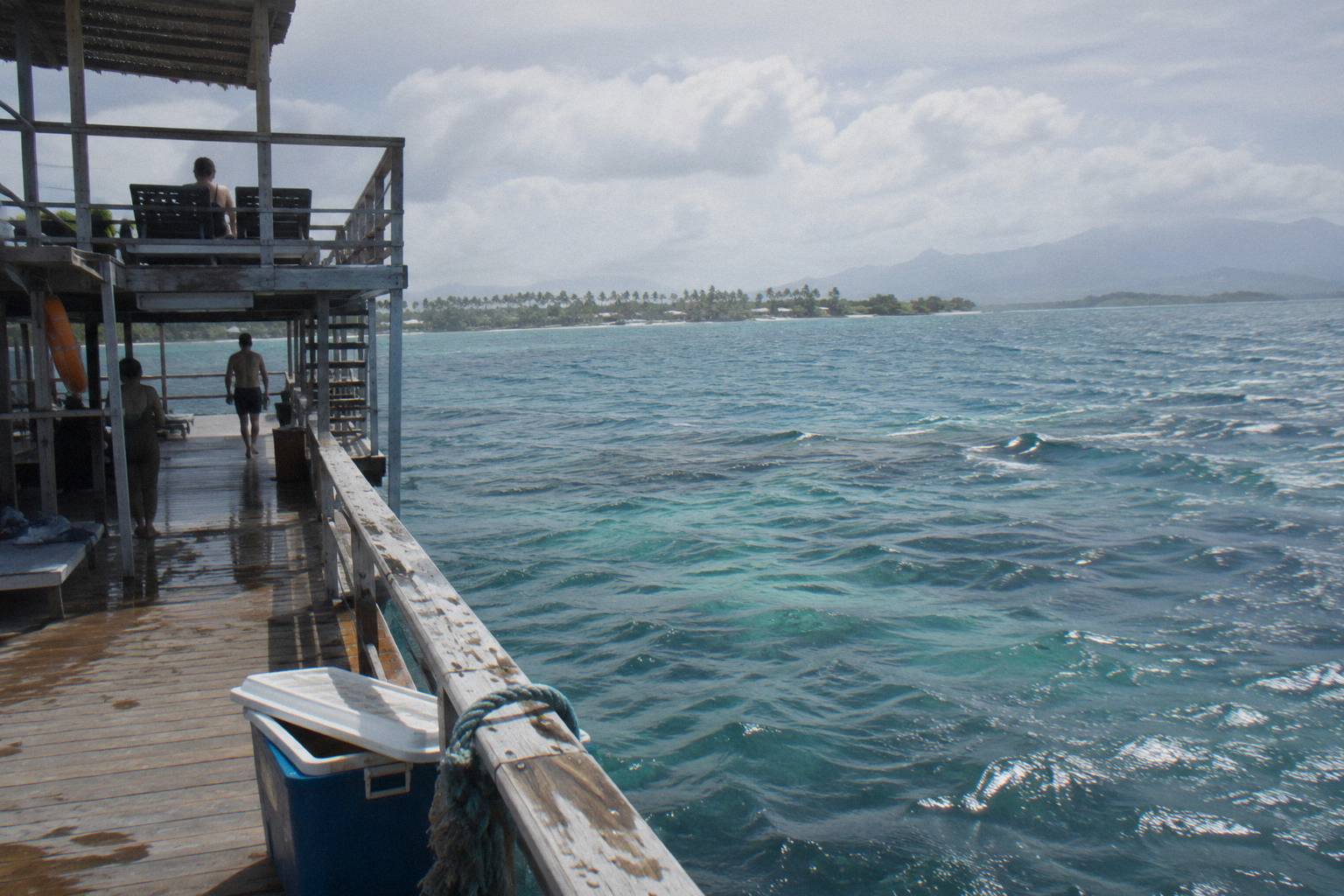
Cloud 9 is a different animal entirely, a 350 square metre two-level platform moored on Ro Ro Reef, about 60 minutes from Port Denarau and about 20 minutes longer in rough seas. The day runs about six hours, with departures at 9.00am and 1.00pm subject to a 25-guest minimum, and check-in from 8.00 to 8.45am or 12.00 to 12.45pm. Life jackets are free, the platform is card-only for food and drink, tipping is not customary in Fiji but is appreciated, and there are no lockers on board. Children under 10 are not suitable. The open-water crossing means seasickness precautions are worth taking, and strong reef currents mean it is a snorkel spot for confident swimmers rather than a first-timer's reef.
The platform's own FAQ at cloud9fiji.com/faq answers most practical questions, including the pick-up zones: hotel transfer is complimentary from Nadi and Denarau, while pick-up from Vuda, Lautoka and the Coral Coast costs extra, with the amount shown at booking. If your heart is set on snorkelling above all else, Cloud 9 is a party-first day with a reef attached, not the reverse.
What To Bring For A Snorkel Day
Pack light and pack for the sun: swimwear, a towel, reef-safe sunscreen, a hat and footwear or reef shoes, plus cash or a card for extras, since premium drinks, massages, merchandise and shell-market buys are never in the ticket. On South Sea Island the gear itself is complimentary, so the only thing you need in the water is your own comfort.
Footwear deserves more attention than it usually gets. Many Mamanuca reefs and beaches include dead coral and rock underfoot at the water's edge, and reef shoes solve that for a few dollars where flip-flops fail. Sunscreen belongs in the bag, not on at the dock: apply it before you get in the water, and reapply after each swim, because a full snorkel day in Fiji sun burns people who forgot, and reflection off shallow water doubles the exposure. The sun-safety angle, including reef-safe sunscreen choices, is covered in full in what to wear on a Fiji island day cruise.
The rest of the list is short. A dry bag or a plastic pouch protects a phone on the boat, a light layer helps on the air-conditioned lounge on the way home, and seasickness tablets taken before departure are cheap insurance on the longer crossings to Tivua, Cloud 9 or Kuata. Non-swimmers should read whether non-swimmers can manage a Fiji island day cruise before ruling anything out, since the glass-bottom boat and semi-submersible options open the reef to everyone.
| Item | Why | Applies to |
|---|---|---|
| Swimwear and towel | The whole point | All trips |
| Reef shoes or footwear | Coral and rock underfoot | All trips |
| Sunscreen and hat | Reflected sun on shallow water | All trips |
| Cash or card | Extras, premium bar, merchandise | All trips |
| Seasickness tablets | Open crossings of 60 minutes or more | Tivua, Cloud 9, Kuata |
| Dry bag or pouch | Phone and documents on the boat | All trips |
Timing Your Snorkel Day Around The Seasons
Fiji's dry season, May to October, brings shorter sunnier days averaging 23 to 24 °C with rainfall down 50 to 75 percent on the wetter months, which is why most snorkellers book then; the wet season, November to April, runs warmer at up to 31 °C with short afternoon downpours, and carries the tropical cyclone season. Water temperatures barely fluctuate across the year.
The trade-off between the seasons is crowd versus calm. Dry-season days are the reliable ones, and July and August are the coolest months, but that reliability fills the boats and the islands. Wet-season days are long and warm, and the rain mostly arrives in short afternoon bursts rather than all-day grey, so a morning snorkel is often unaffected. January and February are the warmest months and also the heart of the cyclone peak. The seasonal picture, including how a wet-season day can still work, is laid out in snorkelling and cruising in the rainy season and the Mamanuca weather guide.
The cyclone question deserves a straight answer rather than a shrug. The Fiji Met Service outlook for the 2026-27 season indicates eleven to fifteen tropical cyclones are likely in its area of responsibility between November 2026 and April 2027, against around seven in an average season, with the peak usually January to February, per met.gov.fj/climate-services. Day trips simply do not sail into that, and operators reserve the right to cancel departures and vary itineraries when weather demands it; Tourism Fiji's own climate reference, fiji.travel, is the source for the seasonal ranges above.
| Season | Months | Temperatures | Rain | Cyclone risk |
|---|---|---|---|---|
| Wet season (summer) | November to April | Up to 31 °C, average 25 to 26 °C, warmest in January and February | Short afternoon downpours, higher humidity | Peak usually January to February |
| Dry season (winter) | May to October | Average 23 to 24 °C, most days 19 to 28 °C, coolest in July and August | Rainfall down 50 to 75 percent on the wetter months | Low, out-of-season cyclones cannot be ruled out |
| Water temperatures | All year | Barely fluctuate through the year | n/a | n/a |
What Trips People Up Before You Book
The four recurring mistakes are assuming every trip includes lunch, assuming the printed price is the whole price, booking a 7 to 9 hour crossing-heavy day when a 5-hour beach day was the plan, and missing the check-in window at Port Denarau. Each one is avoidable in the five minutes it takes to read the inclusions before paying.
Lunch first. The South Sea Island full day, the half day, the Combo and both Tivua trips include a meal or BBQ, but the Finding Nemo morning trip lists drinks and no lunch, and on the Mana full day the buffet lunch is included while drinks are extra. Assuming food is always in the ticket is the fastest way to be hungry on a boat.
Price second. The from-prices here are starting points in US dollars, they vary by date and group, and the mandatory fuel surcharge sits outside them, payable online before departure or at check-in. No surcharge amount is printed here because it is set by the operator at checkout; some booking pages list it as excluded, so read the total at payment rather than the headline. The full price mechanics, including the children's rates and the card admin fee, are unpacked in the price and fuel surcharge guide.
Third, match the boat time to your appetite for it. South Sea Island is a 30 to 45 minute crossing; Tivua, Mana and Cloud 9 are about an hour each way; Kuata is 1 hour 45 minutes each way. A confident swimmer who hates long boat rides should not book Kuata, and a keen sailor who wants the longest water day should not book the 3 hour 15 minute Finding Nemo trip. Finally, check-in closes 30 minutes before departure at the South Sea Cruises desk in the Port Denarau Terminal, and coach pick-up times come with your booking confirmation, so build the morning backwards from the sailing, not the hotel lobby. If the port itself is unfamiliar, how to reach Port Denarau from Nadi Airport covers the 20-minute transfer.
| Trip | Crossing each way | Time ashore | Lunch |
|---|---|---|---|
| South Sea Island full day | 30 to 45 minutes | About 5 to 7 hours | BBQ buffet included |
| Finding Nemo morning trip | 30 minutes | About 2 hours | Drinks, no lunch |
| Captain Cook Tivua day | About 60 minutes sailing | Part of a 7-hour day | BBQ lunch included |
| Kuata conservation day | 1 hour 45 minutes | About 5 and a half hours | Buffet lunch included |
| Cloud 9 | About 60 minutes by boat | About 6 hours total | Pizzeria, card only |
| Beachcomber day | Not stated by the operator | About 6 hours on the island | Ask the operator |
Snorkelling is the reason most people book one of these days at all, and the reef delivers regardless of which trip you choose; the choice is really about who is in the water with you, how long the crossing is, and whether lunch and a guide come as part of the fare. A final note on where to start: South Sea Island Cruises exists to make exactly one decision easier, and the trips compared here cover the whole snorkelling spectrum from a quiet 9am reef to a guided marine-reserve swim.
Common Questions About Snorkelling Day Cruises
Do All Mamanuca Day Cruises Include Snorkelling?
Yes, in some form. South Sea Island trips include complimentary snorkel gear off the beach, the Captain Cook Tivua trip adds a marine-biologist-guided snorkel and glass-bottom boat, the Kuata trip snorkels in a marine reserve area, Beachcomber offers snorkelling in a protected marine sanctuary, and Cloud 9 offers snorkelling around its floating platform, with gear rental on one booking and gear included on the other.
Which Mamanuca Snorkelling Trip Is Best For Beginners?
South Sea Island is the easiest entry point: complimentary gear, a sheltered reef just off the beach, swimming and snorkelling possible even at low tide, and no schedule to keep. The Tivua trip also works well for mixed groups because a glass-bottom boat runs alongside the guided snorkel for anyone who prefers to stay dry.
Do I Need To Bring My Own Snorkel Gear?
No. Complimentary snorkel gear is provided on South Sea Island, gear is included on the Tivua and Kuata trips, and Beachcomber provides gear plus a glass-bottom boat. At Cloud 9, gear is a rental on one booking and included on the other, so confirm which booking you have before relying on it.
What Does A Mamanuca Snorkelling Day Cruise Cost?
Printed starting prices run from US$65 per person for the Finding Nemo morning trip and US$107 for the Tivua island and reef day, to US$125 for the South Sea Island full day and US$135 for the Mana Island Resort day trip. Amounts are US dollars, vary by date and group, and a mandatory per-person fuel surcharge applies for travel from 3 November 2026.
Can You Snorkel At Low Tide?
On South Sea Island, yes: the operator states swimming and snorkelling are possible even at low tide. The reef sits close to the beach in shallow water, which is part of why it suits beginners, though reef shoes help with coral underfoot at the water's edge.
Is Snorkelling Better In The Wet Or Dry Season?
The dry season, May to October, is the surer bet, with sunnier days averaging 23 to 24 °C and rainfall down 50 to 75 percent on the wetter months. The wet season, November to April, is warmer at up to 31 °C with short afternoon downpours, so morning snorkelling often still works. Water temperatures barely fluctuate across the year.