What Should I Wear On A Fiji Island Day Cruise?
Clothing, footwear and sun protection guidance for a Fiji island day cruise from Port Denarau, based on the operator's own bring list and Fiji's two seasons.
Day cruises from Port Denarau all start from the same point, and the wardrobe question is the same whether the boat is bound for a tiny Mamanuca island or a floating bar on a reef. The full range of island day trips, including the South Sea Island full day option, is collected under full day island cruises, and almost every one of them asks for the same kit from the people on board.
Wear swimwear as your base layer with light, loose clothing over it, sandals or slip-ons for the boat, and pack reef shoes, a towel, a hat, sunglasses, reef-safe sunscreen and cash or a card. The operator's bring list for South Sea Island names swimwear, a towel, sunscreen and a hat, footwear or reef shoes, and cash or card for extras. Nothing fancier than that is needed on any day cruise out of Port Denarau.
That list comes straight from the operator's own guidance for South Sea Island, and it works because of how these days are actually structured. The catamaran crossing is short, 30 minutes on the morning timetable and 45 minutes on the 10.00am departure, and once ashore the day splits between water, shaded tables and sand. You will get wet, probably more than once, and you will spend the middle of the day in strong South Pacific sun.
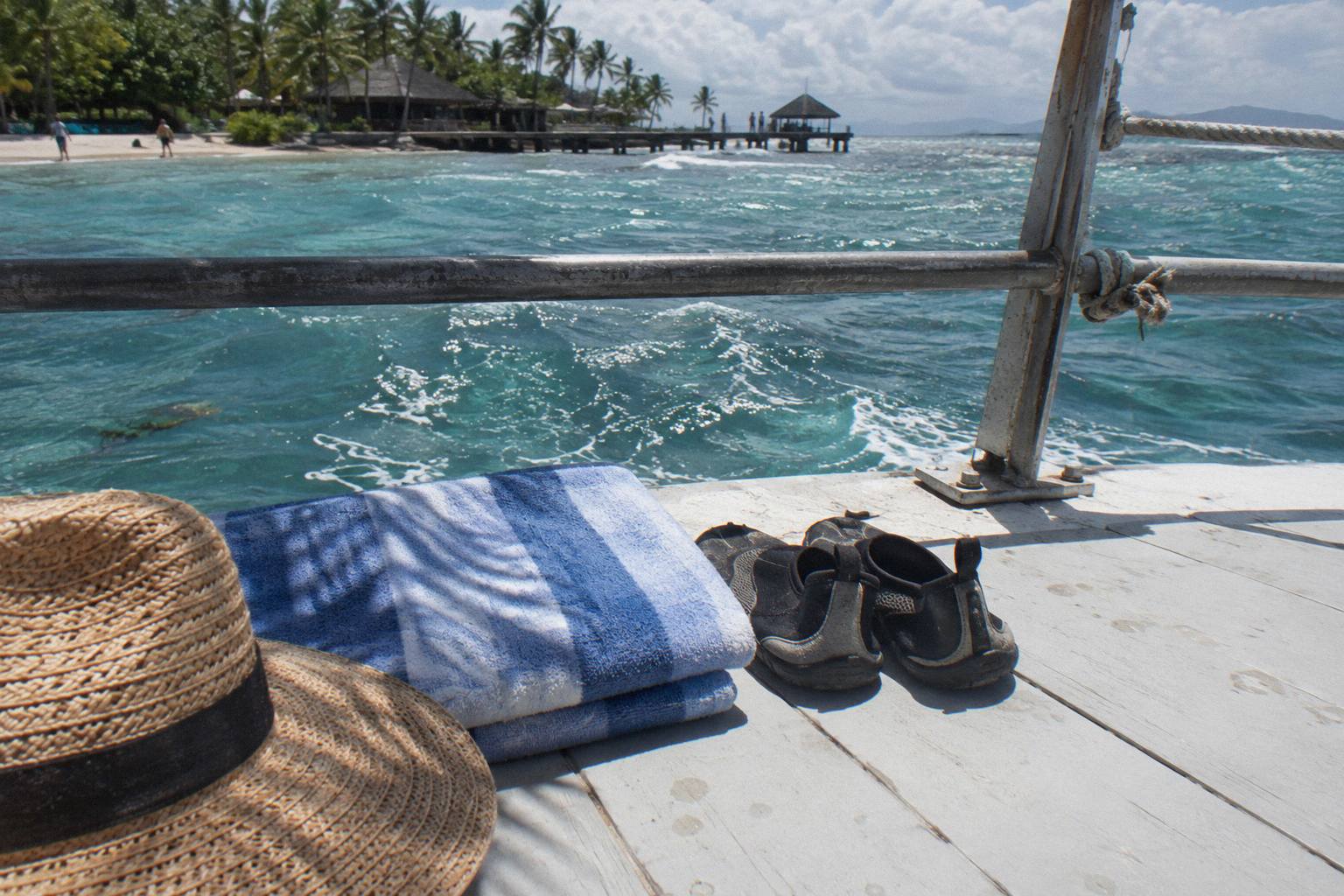
Dressing in swimwear from the start removes the awkward middle step of changing on a small island, where facilities are shared and simple. A t-shirt or a loose shirt over swimwear doubles as sun cover during the long middle hours, which matters more than most visitors expect: Fiji's wet season runs to daily temperatures up to 31 °C, and even the dry season sits at 19 to 28 °C on most days, per Tourism Fiji's climate guidance. Light colours and natural fibres earn their place; jeans and heavy fabrics do not.
The trips themselves differ mainly in how long you are ashore and what the day includes, and the wardrobe barely changes between them.
All amounts are in US dollars and vary by date and group. Every one of these trips is a swimwear-first day, so the rest of the packing is about sun, feet and the extras you might buy on the island.
Swimwear, Cover-Ups And Boat Clothing
Start the day in your swimsuit under a cover-up, shorts and a t-shirt, and treat that as your outfit for the whole trip. The catamaran has an air-conditioned lounge and open-air outer decks, so a light layer you can shed or pull on covers both ends of the crossing, and there is no practical moment where anything smarter is expected. Wet clothes dry fast in Fiji; heavy ones do not.
The boat ride itself sets fewer demands than people assume. The vessel offers an air-conditioned lounge, open-air outer decks and free Wi-Fi, so the crossing is comfortable in ordinary day clothes. The one garment worth a second thought is a hat that will not blow away on the outer deck, and the same goes for loose sunglasses: a retainer cord or a shirt pocket saves both.
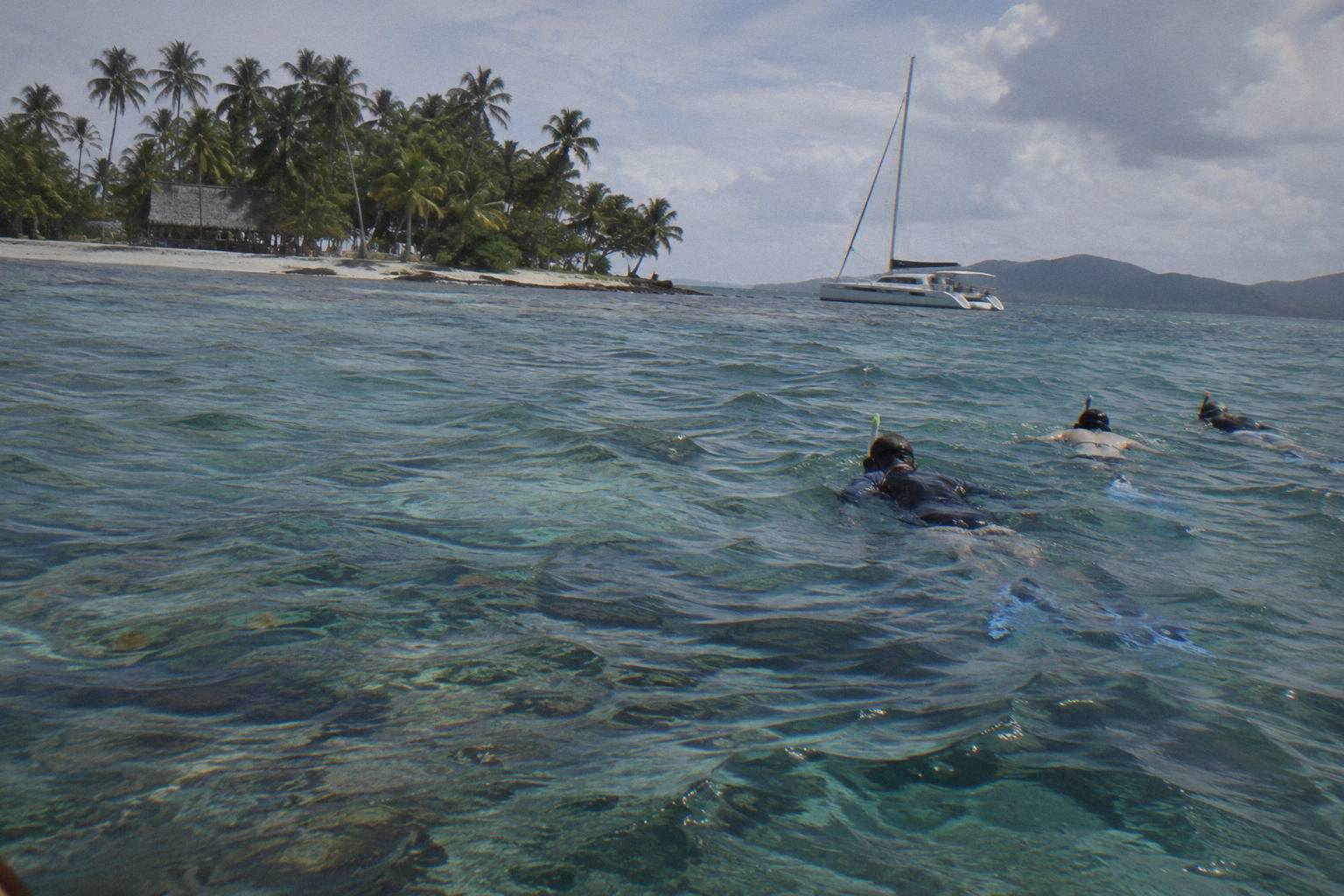
For the island portion, the sequence of a typical day tells you what to wear. Guests arrive by catamaran and transfer to the island by a short tender boat ride, which means a wet landing or at minimum a wet boarding step. From there the day moves between snorkelling with complimentary gear, stand-up paddle boards and kayaks, the saltwater swimming pool, and the BBQ buffet lunch served at open-air rustic tables. A sarong, rash vest or sun shirt covers the transitions between all of those better than street clothes do.
One nuance separates the morning trips from the rest: Finding Nemo guests reach the island at 9.15am, before other day guests arrive at 10.45am, so they have the island and its swim spots largely to themselves in the coolest part of the day. A dry top for after the swim is worth having on the morning runs, since the boat heads back at 11.15am. Readers weighing the two versions of the short trips can compare the timing trade-offs in the full day versus half day breakdown.
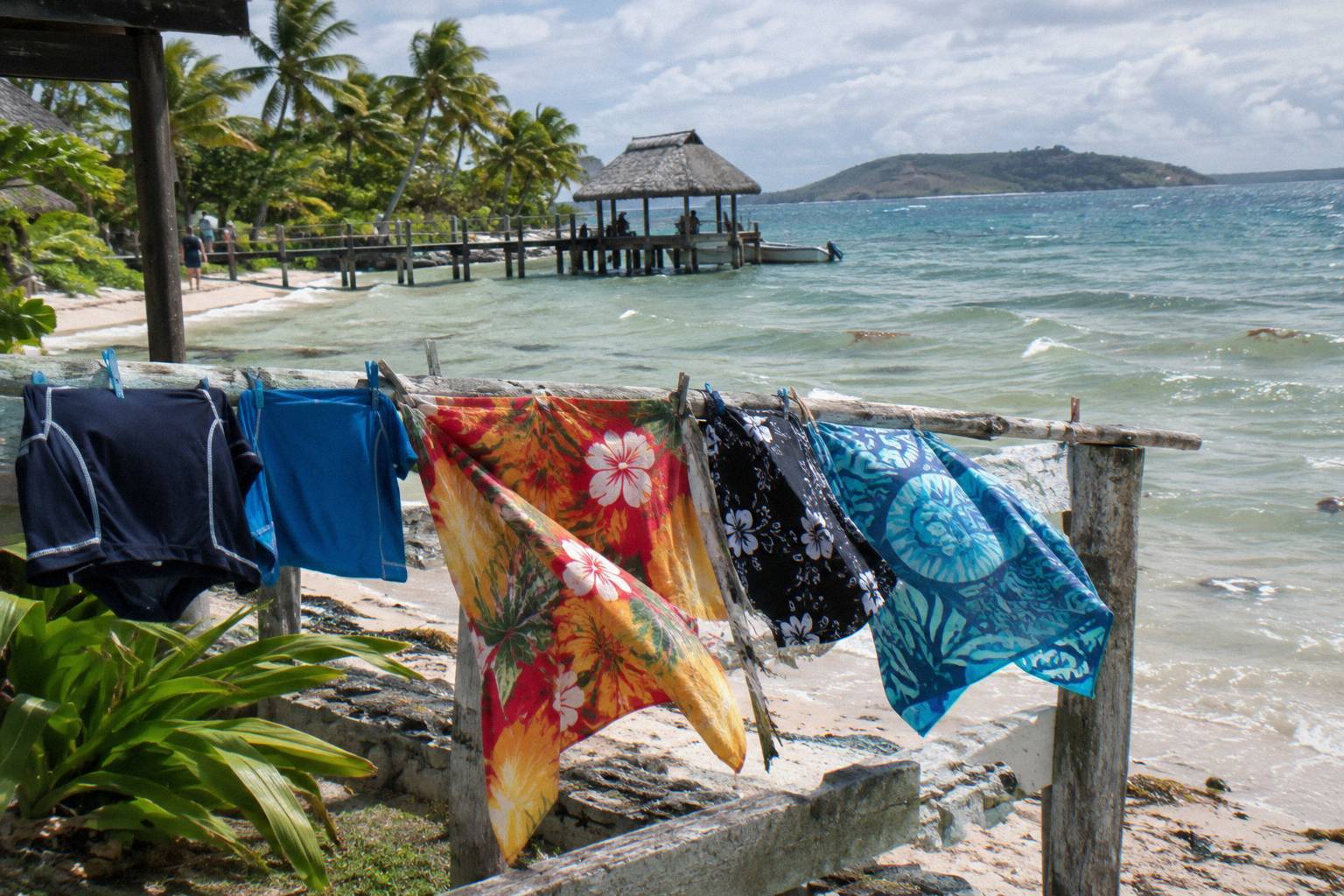
Footwear: Reef Shoes, Sandals And What To Skip
Bring two pairs of footwear if you have them: flat sandals or slip-ons for the boat and the island paths, and reef shoes for the water. The operator's bring list names footwear or reef shoes specifically, and that choice exists because the snorkel areas and swimming zones sit over coral and reef rock, where bare feet and thin soles come off second best. Thongs alone are workable; reef shoes are better.
Sand on the island and the deck of a catamaran are both forgiving surfaces, so the sandal does most of the day's work. The reef shoe earns its space at exactly two moments: getting in and out of the water over coral, and walking out to the snorkel area at lower parts of the tide. Swimming and snorkelling on South Sea Island are possible even at low tide, which is precisely when reef shoes matter most, since more of the coral shelf sits close to the surface.
The operator's South Sea Island day trip page lists complimentary snorkel gear alongside the bring list, so the only footwear-related purchase worth making before the trip is the reef shoes themselves. Closed walking shoes, boots and anything with a heel have no role in the day, and they take up bag space that towel and sunscreen deserve.
Cancellation is free up to 24 hours before the trip starts, so a booking made now can still move if plans shift before the packing is done.
Sun Protection: Hats, Sungscreen And Shade Strategy
Pack a wide-brim hat that stays on in wind, UV sunglasses, and reef-safe sunscreen applied before boarding and reapplied after every swim; the operator lists sunscreen and a hat because the Fiji sun is fierce year-round. Dry-season days run 19 to 28 °C with clearer skies, and the wet season reaches up to 31 °C, so no month makes sun protection optional. A dry-season visitor burns just as fast as a wet-season one.
The sun logic of these trips is simple: you are on open water in the morning, on a small island with limited shade at midday, and on open water again in the afternoon. A rash vest or swim shirt is the most reliable protection for the long in-water stretches, because sunscreen washes off during snorkelling sessions no matter how carefully it was applied. Zinc or stick sunscreen on the face and ears survives water better than lotion.
Sun protection sits alongside hydration as the two things that end more island days early than anything else. The island includes local beer, house wine, filtered water and soft drinks complimentary while you are ashore, so the drink side is covered once you land; the sunscreen side is entirely yours. Visitors wanting the deeper background on products and UV exposure on boat days can read the companion piece on reef-safe sunscreen and sun safety on a boat day.
| Item | Why It Matters | Where It Gets Used |
|---|---|---|
| Wide-brim hat | Operator bring list; midday island sun | Boat decks and island |
| UV sunglasses | Glare off open water on the crossing | Outer decks |
| Reef-safe sunscreen | Coral areas; operator advises sunscreen | Before boarding, reapply after swims |
| Rash vest or swim shirt | Sun protection that survives snorkelling | In the water |
| Cover-up or loose shirt | Shoulder cover at lunch and on deck | Between swims |
Towels, Dry Clothes And What You Carry Them In
Bring your own towel, a dry change for the ride home, and a bag that can take sand and salt, because towels are not part of what the island supplies. The operator's bring list names a towel alongside swimwear and sunscreen, and on South Sea Island the supplied kit covers water equipment rather than linen: snorkel gear, paddle boards and kayaks are complimentary, towels are not. A dry shirt for the homeward crossing is the comfort item most people forget.
The packing logic follows the timetable. On the full day trip the boat leaves the island at 4.00pm or 5.15pm and gets back to Port Denarau at 4.45pm or 6.00pm, and after a full afternoon in and out of the water the air-conditioned lounge feels markedly different in damp swimwear. The half day and the combo follow the same shape with a 5.15pm or 12.45pm island departure. A quick-change bag with a towel on top makes the last hour of every one of these days better. The wider set of guides lives on South Sea Island Cruises.
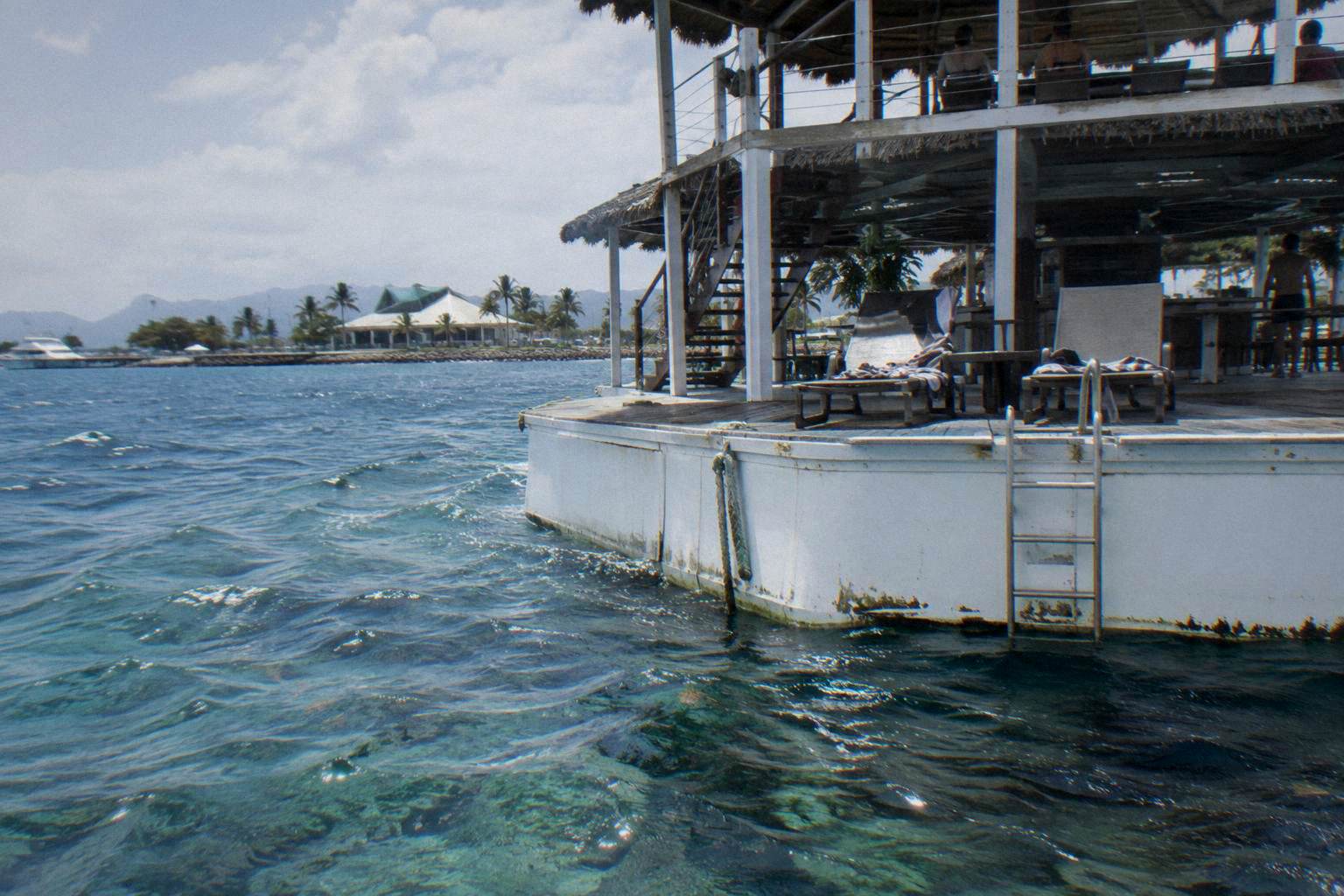
Storage is the one place where the floating-platform trips differ from the island trips. Cloud 9, the two-level floating bar and pizzeria on Ro Ro Reef, has no lockers on board, so everything you bring sits with you on the platform for roughly six hours; the same light-bag discipline applies there with more force. Its FAQ page also notes the platform takes card only for food and drink, which pairs with the general advice to bring cash or card for extras.
The full island days make this easier, not harder. South Sea Island is a tiny island with a compact set of amenities, the saltwater pool, the BBQ lunch tables, the Kids Club for ages 3 to 12, so a single soft bag per person parked at a table does the job. There is no dress code anywhere on the itinerary, from check-in at the South Sea Cruises desk 30 minutes before departure to the final tender ride back to the catamaran.
Wet Season Versus Dry Season Wardrobes
Pack the same core kit year-round, swimwear, reef shoes, hat, towel, and sunscreen, and adjust only your layers: the wet season, November to April, is hotter and more humid with short afternoon downpours and daily temperatures up to 31 °C, while the dry season, May to October, sits slightly cooler at 19 to 28 °C with more sunshine. Add a light rain shell for the wet months and a longer-sleeve layer for July and August, the coolest stretch.
Tourism Fiji frames the two halves of the year plainly: the wet season brings long warm days, short afternoon downpours and higher humidity, with January and February the warmest months, and the dry season brings shorter, sunnier days with rainfall down 50 to 75 percent against the wetter months. Neither profile changes what you wear so much as it changes what you carry. A foldable rain jacket handles a wet-season squall on the outer deck; a dry shirt handles the air-conditioned lounge in the cooler months.
| Season | Months | Typical Day | Clothing Adjustment |
|---|---|---|---|
| Wet season | November to April | Up to 31 °C, humid, short afternoon downpours | Lightest layers, packable rain shell |
| Dry season | May to October | 19 to 28 °C on most days, sunnier | Same kit plus a dry layer for the lounge |
Water temperature barely enters the decision. Tourism Fiji notes that Fiji's water temperatures do not fluctuate much through the year, so the same swimwear and rash vest serve a January snorkel and a July one, and visitors wondering specifically about the coldest month can check the piece on whether July water is too cold to snorkel in Fiji.
What You Wear Versus What You Bring Versus What Is Supplied
You wear swimwear and light layers, and you bring the towel, reef shoes, sun kit and payment for extras; the island supplies the water equipment and, on most trips, the food and drink. Complimentary snorkel gear, stand-up paddle boards and kayaks, a saltwater swimming pool and, on South Sea Island, a BBQ buffet lunch with local beer, house wine, filtered water and soft drinks are included while ashore.
Sorting the day into those three columns prevents both over-packing and the opposite. Guests do not need fins, masks, beach umbrellas or snorkel vests; they do need everything on the operator's bring list. The one trip with a genuine exception is the Finding Nemo morning run, which includes drinks but no lunch, so anyone on that departure should add a plan for food after the 11.45am return rather than another garment.
| You Wear | You Bring | Supplied On The Island |
|---|---|---|
| Swimwear under light clothing | Towel | Complimentary snorkel gear |
| Sandals or slip-ons | Reef shoes | Paddle boards and kayaks |
| Hat and sunglasses | Reef-safe sunscreen | Saltwater swimming pool |
| Rash vest or swim shirt | Cash or card for extras | BBQ buffet lunch and included drinks |
| Cover-up or loose shirt | Dry change for the crossing | Semi-submersible coral viewer |
The half day version of the island trip, rated 4.6 from 123 reviews and priced from US$108 per person, follows exactly the same wear-and-bring logic with a 12.15pm departure, so the same bag works for someone who spends the morning at the hotel pool instead.
Clothes For Cloud 9 Versus Clothes For An Island
Cloud 9 calls for the same swimwear-first packing as an island day trip, with two additions: there are no lockers on the platform, so wear whatever you can carry, and the trip involves an open-water crossing of about 60 minutes each way that can run about 20 minutes longer in rough seas, so add a windproof layer and seasickness precautions.
Island days give you a beach to park a bag on; the floating platform gives you a rail. That single difference shapes the Cloud 9 wardrobe toward the minimal: swimwear, a cover-up, hat, sunscreen and reef shoes for the water access, with a dry layer in a small bag rather than a full change. The crossing from Port Denarau takes about 60 minutes and can stretch by roughly 20 minutes in rough seas, and the day runs about six hours with departures at 9.00am and 1.00pm, subject to a 25-guest minimum.
Footwear and sun rules carry over unchanged. Currents on Ro Ro Reef can be strong, life jackets are available free, and children under 10 are not considered suitable for the platform, so families packing for that trip are packing for adults and older children. Card is the only payment accepted for food and drink on the platform, and Cloud 9 charges extra for hotel pick-up from Vuda, Lautoka and the Coral Coast, both worth knowing before the bag is zipped.
By contrast, the resort-island days such as Castaway and Mana ask for barely anything beyond the standard kit. Castaway gives you five hours ashore with two fresh-water pools, complimentary snorkel, kayaks and paddle boards, and Mana offers about seven hours with three beach areas and two fresh-water pools, so the same swimwear, reef shoes and sun protection cover a longer, drier day with more walking between beaches.
Common Packing Mistakes On A Fiji Day Cruise
The mistakes that matter most are packing for the boat instead of the water, skipping a towel because the hotel provides one, wearing new or flimsy sandals on coral, and arriving without a payment method for extras, since the island sells massages, premium bar drinks, merchandise and craft-market shells beyond the included food and drink. Each is avoidable with the operator's short bring list: swimwear, towel, sunscreen and hat, footwear or reef shoes, cash or card.
The over-packers usually bring the wrong category of thing. Snorkel equipment is complimentary on the island, paddle boards and kayaks are complimentary, the pool is there, and lunch and drinks are included on the full day trip, so sporting gear and food add weight without use. One bag per person with the bring-list items, a dry change and a phone in a waterproof pouch is the honest ceiling of what improves the day, and much of that ceiling is optional.
The under-packers miss payment and foot protection. Cash or card covers the Tipsy Turtle premium bar with its cocktails, spirits, snacks and ice cream, the island massage, merchandise and the shell market, none of which are in the ticket. Reef shoes cover the coral. Both omissions are felt within the first hour ashore, and neither can be fixed on a tiny island with certainty, so they lead the list of what to be careful of on a Fiji island day trip.
A final note on timing rather than clothing: check-in happens at the South Sea Cruises desk at the Port Denarau Terminal 30 minutes before departure, and the coach from most Nadi, Denarau and Wailoaloa hotels is pre-booked with the trip, so the morning runs on a schedule set well before anyone dresses for it. Wearing the day's outfit on the coach, rather than carrying it, removes the last change of clothes from the schedule entirely.
For travellers still choosing between the full day, the half day and the morning semi-submersible run, the same three departures cover nearly every wardrobe-identical version of the day.
Common Questions About Dressing For A Day Cruise In Fiji
What Should I Wear On A Fiji Island Day Cruise?
Swimwear under light, loose clothing, sandals or slip-ons, and a hat and sunglasses, with reef shoes, a towel, reef-safe sunscreen and cash or card packed alongside. That is the operator's own bring list for South Sea Island expanded slightly, and it suits every day cruise out of Port Denarau.
Do I Need Reef Shoes Or Are Sandals Enough?
Sandals handle the boat and the island paths, but reef shoes are the better choice for getting in and out of the water over coral, and for snorkelling at lower tide when more of the reef sits near the surface. The operator names footwear or reef shoes on the bring list, which points to bringing both if you have them.
Is A Towel Provided On South Sea Island?
No. Complimentary items on the island cover snorkel gear, stand-up paddle boards and kayaks, the saltwater swimming pool and, on the full day, the BBQ buffet lunch with included drinks. A towel appears on the operator's bring list, so it is yours to pack.
Should I Dress Differently In The Wet And Dry Seasons?
Only in the layers. The wet season, November to April, runs up to 31 °C with humidity and short afternoon downpours, so a packable rain shell helps; the dry season, May to October, sits at 19 to 28 °C on most days with more sun, so a dry layer for the air-conditioned lounge helps instead. The core kit is the same year-round.
What Should I Wear On The Cloud 9 Floating Platform?
The same swimwear-first kit, pared down, because Cloud 9 has no lockers on board and everything you bring stays with you for roughly six hours. Add a windproof layer for the open-water crossing of about 60 minutes each way, and note that food and drink on the platform take card only.