Mamanuca Islands Weather: Sea Conditions And Cruise Days
Weather decides almost everything about a Mamanuca day cruise: which month you pick, how the crossing feels, and whether the boat leaves at all. Here is what the seasons, the cyclone outlook and the operators' own rules mean for your booking.
Short answer
The Mamanuca Islands sit in Fiji's two broad seasons: wet and humid from November to April, with daily temperatures up to 31 °C, and dry and sunny from May to October, averaging 23 to 24 °C. Day cruises run in both, but the dry season carries less rain, and the cyclone outlook for November 2026 to April 2027 calls for eleven to fifteen systems in the wider region.
Day cruises into the Mamanucas all leave from one place and run through the same stretch of water, so the weather question is shared across every trip covered by the full-day island cruise hub. Whether you sail to a resort island, a tiny sand cay or a floating bar, the season, the swell and the operator's fine print all shape the day. This guide pulls the climate picture, the cyclone outlook and the sea-state notes into one place so you can pick a month and a trip with clear eyes.
It helps to separate three different questions that tend to get tangled together. The first is climate: what the months are broadly like, which is stable and predictable. The second is weather: what the forecast says for your particular sailing, which changes day to day and hour to hour. The third is policy: what happens to your money and your plans if conditions turn, which is written into each operator's terms long before you board. Answering all three is what turns a lucky cruise day into a planned one.
| Fact | Detail |
|---|---|
| Wet season | November to April, humid, short afternoon downpours, up to 31 °C |
| Dry season | May to October, sunnier, average 23 to 24 °C, most days 19 to 28 °C |
| Coolest months | July and August |
| Warmest months | January and February |
| Cyclone outlook 2026-27 | Eleven to fifteen systems likely November 2026 to April 2027 in the region |
| Dry-season rainfall | 50 to 75 percent below the wetter months |
| Main departure point | Port Denarau Marina, 20 minutes from Nadi airport |
| Water temperature | Described as not fluctuating much through the year |
What Is The Weather Like In The Mamanuca Islands?
Fiji runs on two seasons rather than four, and the Mamanucas follow the national pattern: a wet, humid summer from November to April and a dry, sunnier winter from May to October. Summer days reach up to 31 °C and average 25 to 26 °C, with January and February the warmest pair. Winter averages 23 to 24 °C, most days sit between 19 and 28 °C, and July and August are the coolest months.
The difference between the seasons is mostly about rain and humidity rather than cold. Tourism Fiji describes the wet season as long warm days broken by short afternoon downpours, which is a pattern day cruisers can work around: a morning trip often sails in sunshine even when the afternoon clouds build. The dry season brings shorter, sunnier days and, importantly for boat trips, rainfall that drops by 50 to 75 percent compared with the wetter months.
That rainfall gap is the single most useful number in the seasonal picture. It does not mean the dry season is bone-dry, nor that the wet season is a washout; it means the odds shift sharply in favour of uninterrupted beach hours from May to October. For trips built around long stretches outdoors, such as a full day on an island from 10.45am to 4.00pm or later, those odds compound over the course of the day. A morning shower at 9am matters far less than one at 2pm, and the seasonal pattern skews the rain toward the afternoon.
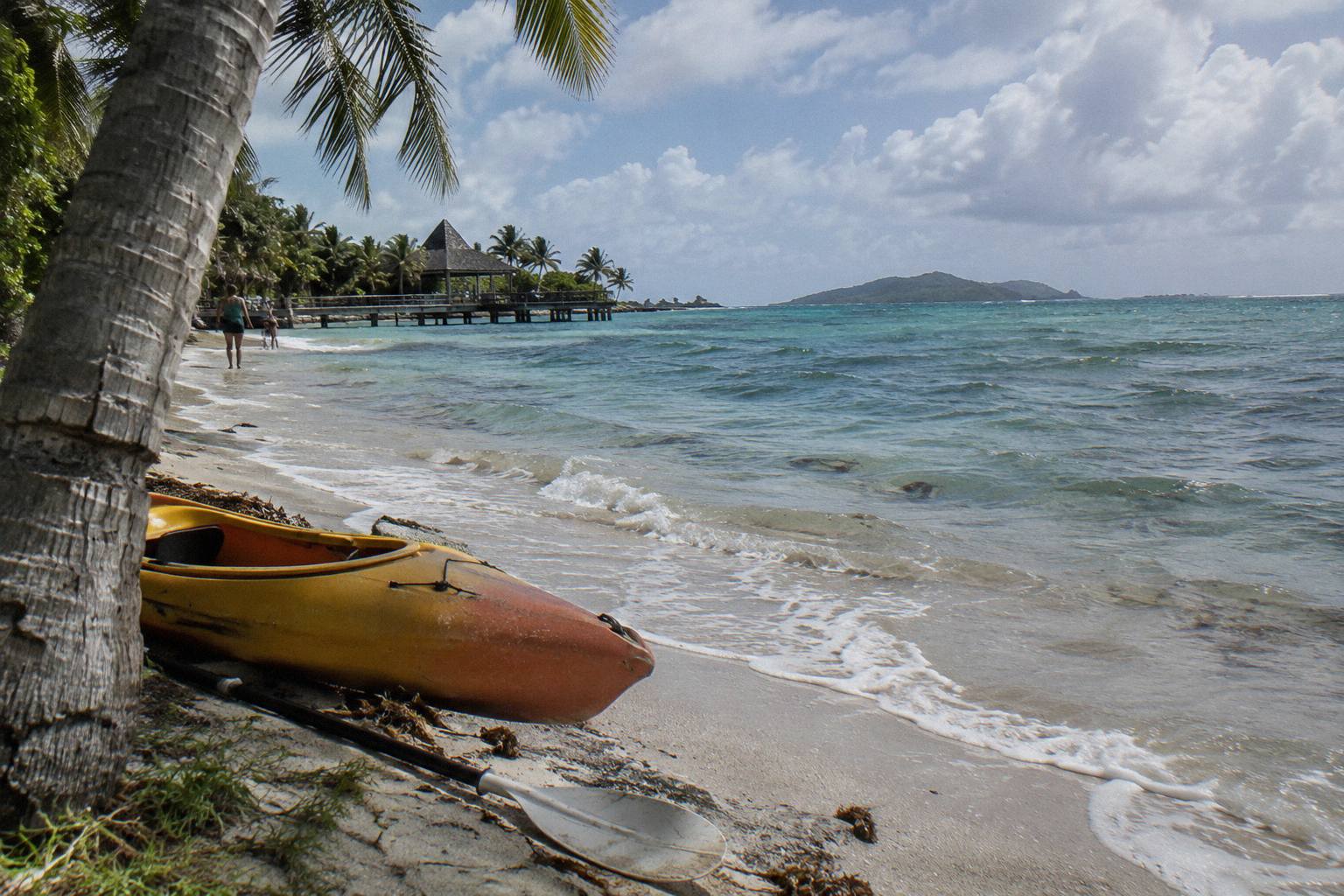
Water temperature barely enters the decision. The official climate guidance says sea temperatures in Fiji do not fluctuate much through the year, so snorkelling in July feels much the same as snorkelling in December. Swimmers comparing months should weigh rain and wind instead, and the snorkelling conditions around the islands follow the same seasonal logic.
Humidity is the quiet variable that separates the seasons on the ground. Wet-season days feel heavier, and physical activity, even a gentle swim, lands differently at 31 °C and humid than it does in the dry season's mid-twenties. Families with small children and anyone sensitive to heat often find July and August the most comfortable months for a full day ashore, trading a few degrees of warmth for easier breathing and less sun stress.
For a fuller seasonal picture straight from the source, see Tourism Fiji's climate guide, which sets out both seasons in the terms used above.
Wet Season Or Dry Season: Which Months Suit A Day Cruise?
Both seasons carry day cruises, but the dry season from May to October is the calmer, drier window: less rain, lower humidity and cooler, sunnier days. The wet season from November to April still delivers warm swimming weather and short, sharp afternoon showers rather than all-day rain, and it overlaps with the region's cyclone season, which runs November to April and peaks around January and February.
The trade-off is straightforward. Dry-season months give you the best odds of a smooth, sunny crossing, and July and August are the coolest of them. Wet-season months bring the warmest air and sea, greener islands and often quieter boats, but you accept a chance of afternoon rain and you are travelling inside the cyclone window. Plenty of visitors do exactly that without incident; the odds favour ordinary weather on any given day.
| Season | Months | Typical days | Rainfall | Cruise trade-off |
|---|---|---|---|---|
| Wet (summer) | November to April | Average 25 to 26 °C, up to 31 °C | Short afternoon downpours, higher humidity | Warmest water, greener islands, cyclone window overlaps |
| Dry (winter) | May to October | Average 23 to 24 °C, most days 19 to 28 °C | 50 to 75 percent below the wetter months | Best odds of sun, coolest in July and August |
If your dates are fixed inside the wet season, a morning departure is the statistically friendlier choice: the day-trip timetable's early sailings leave Port Denarau at 8.45am and return before the worst of the afternoon build-up. The Finding Nemo morning trip and the combo cruise both use that early slot, while the full-day trip departs at 10.00am and stays into the late afternoon. Guests on the morning trip also reach the island before the main crowd arrives at 10.45am, which pairs the weather advantage with a quieter island.
There is a social dimension to the seasonal choice as well. July and August coincide with the busiest visitor weeks of the Fiji year, so the coolest weather comes with the fullest boats and the most crowded beach areas. November and December, early in the wet season, sit in a sweet spot for many travellers: the cyclone peak is still weeks away, the sea is at its warmest, and the crowds have thinned. Late April and early May mark the same kind of transition in reverse.
Whichever season you choose, the trio below covers the main formats: a sailing-based island and reef day, a resort-island day, and the classic full-day island trip.
How Does Weather Change The Boat Ride To The Islands?
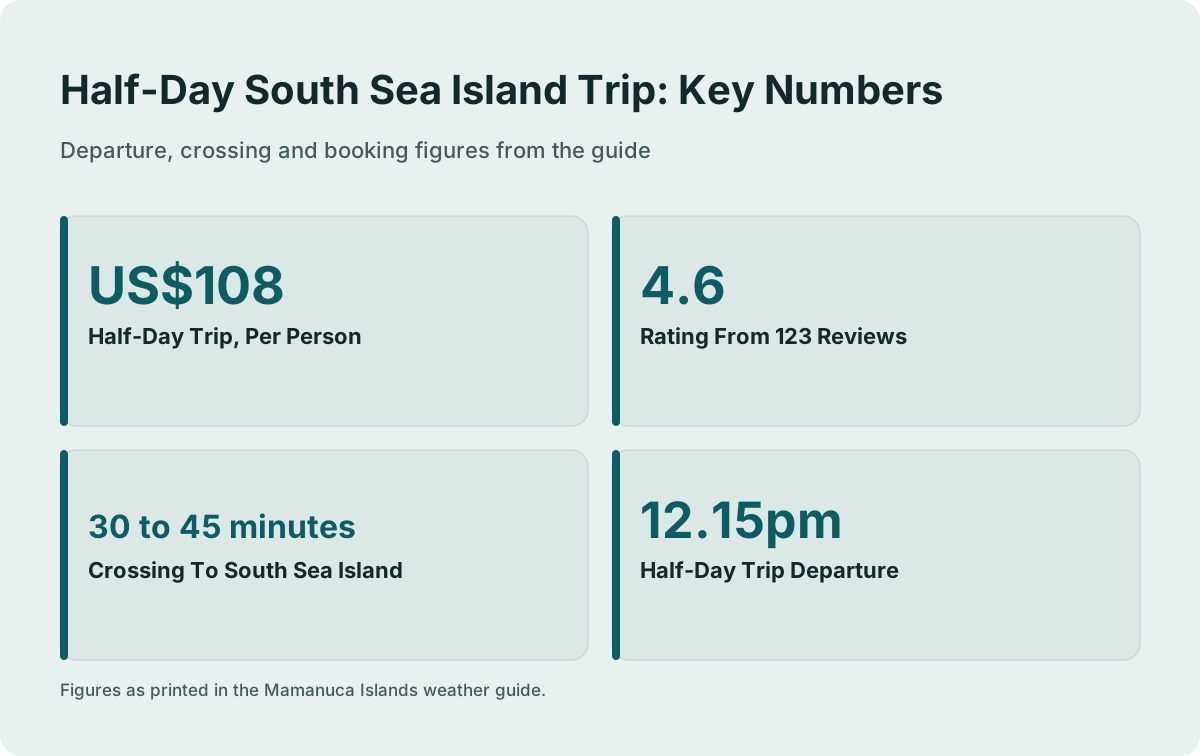
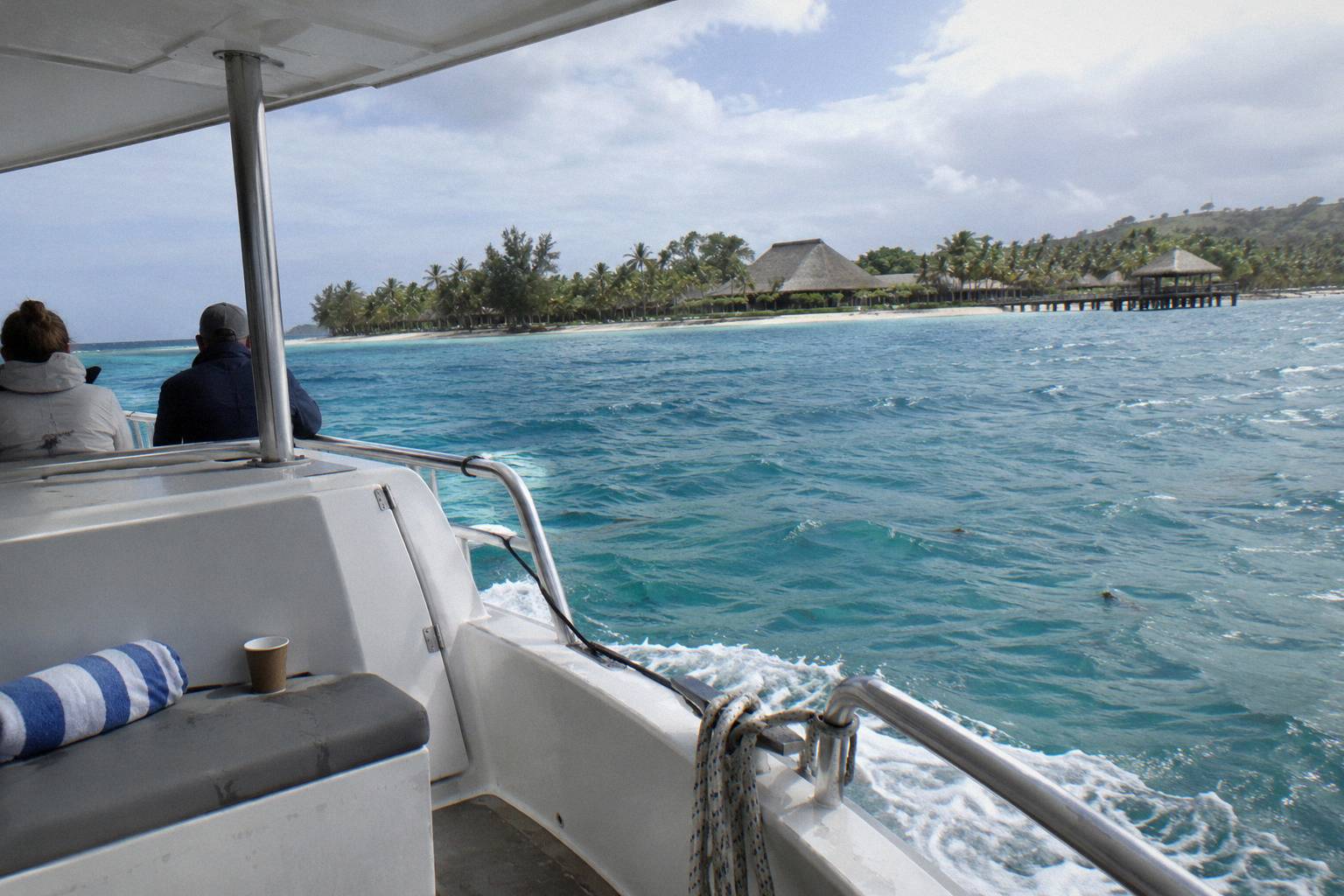
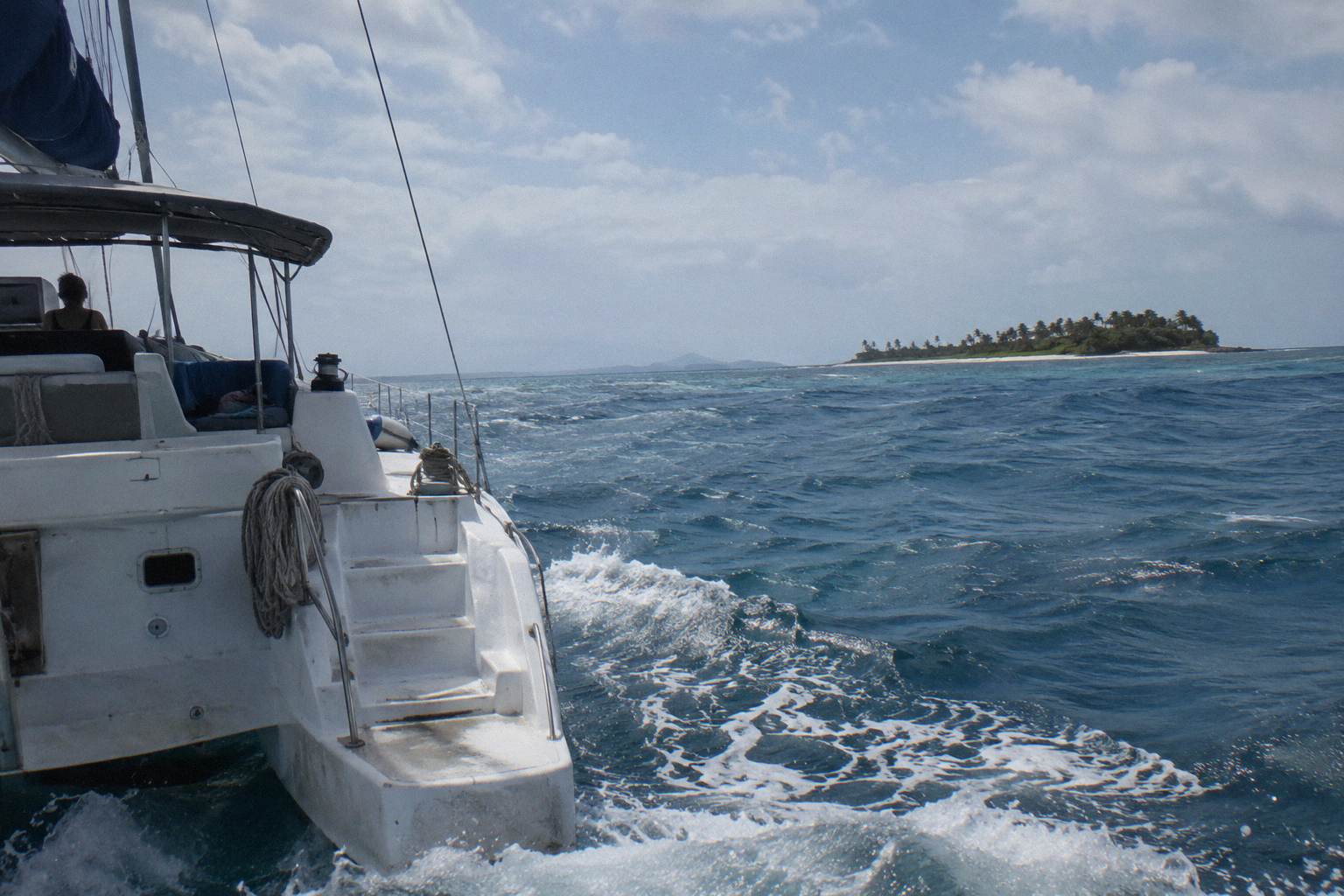
Rough conditions lengthen crossings rather than stopping them: the operator of the Cloud 9 platform notes its open-water boat ride runs about 60 minutes and takes about 20 minutes longer in rough seas, and it flags the crossing as worth seasickness precautions. Closer islands fare better, with the South Sea Island crossing printed at 30 to 45 minutes depending on the departure, giving less exposure to swell.
Sea state matters most on the longest legs. The sailing trip to Tivua and the run out to the Cloud 9 floating platform both spend around an hour on open water, so a fresh breeze that barely registers on a half-hour hop becomes a genuine factor there. Anyone prone to motion sickness should plan medication around the longer crossings, not the short ones.
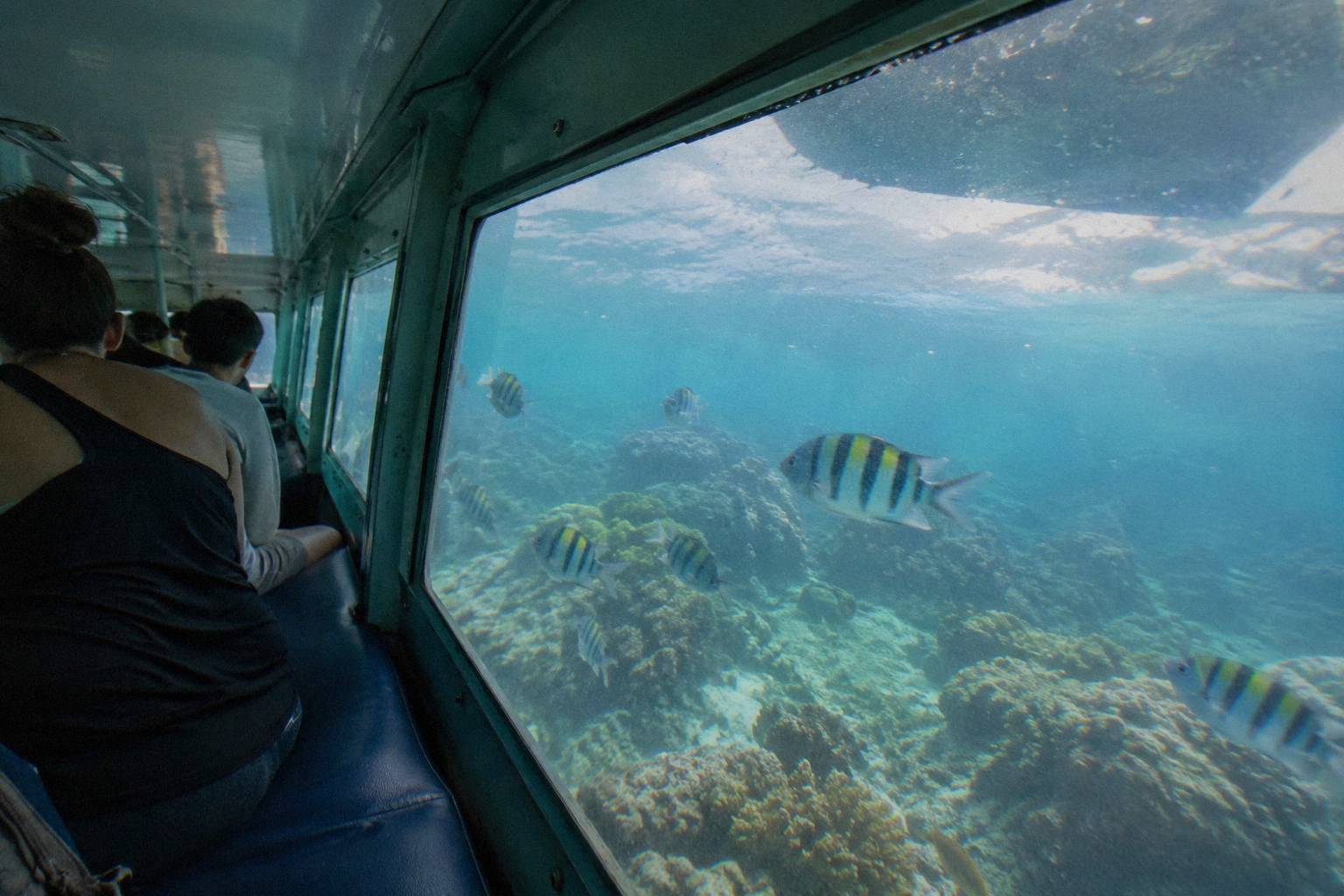
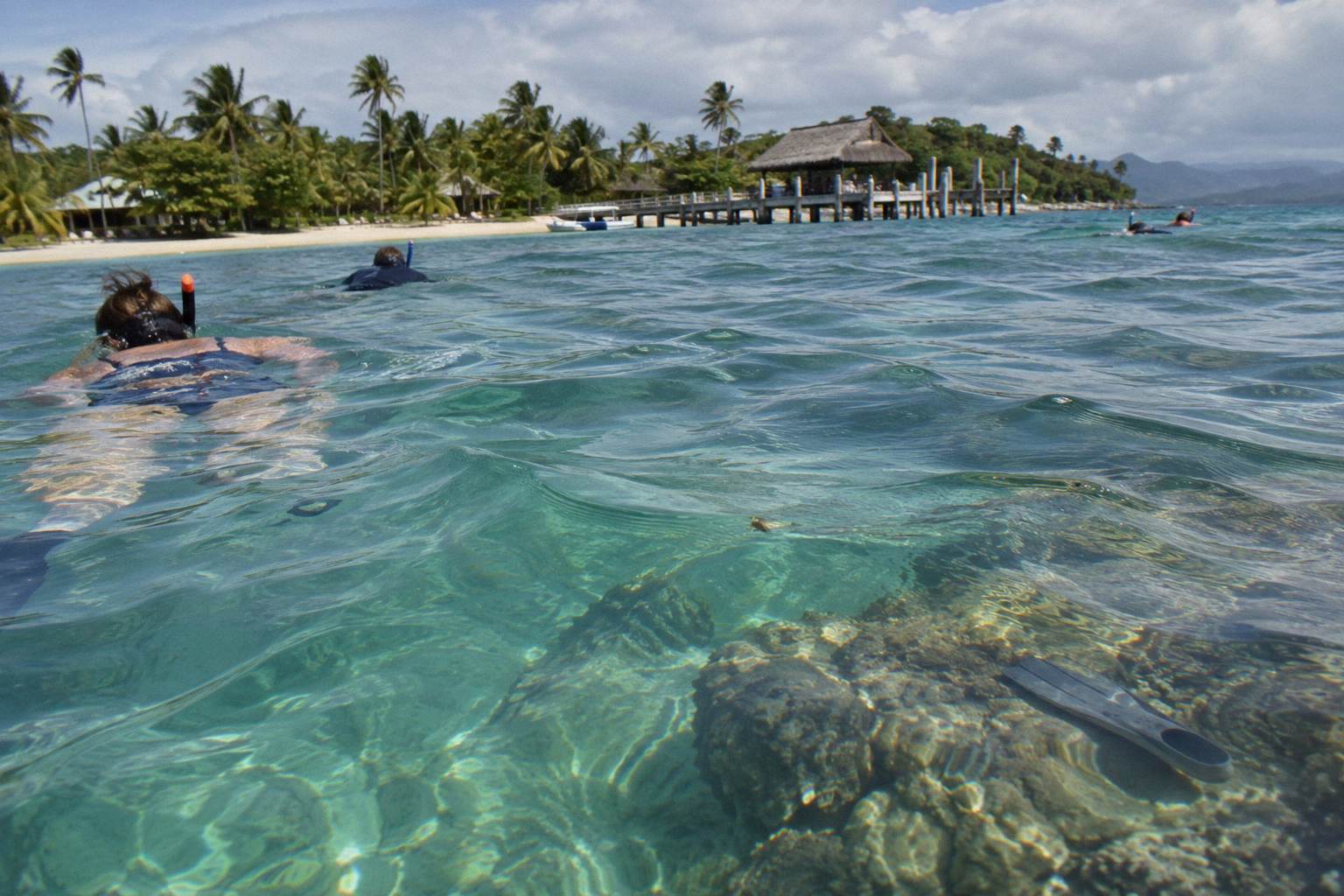
Currents deserve respect at the destination as much as on the way. Cloud 9's own guidance says currents on Ro Ro Reef can be strong and free life jackets are available, and the platform's FAQ carries practical sea-state notes on its official FAQ page. On the sheltered island days, snorkelling around South Sea Island is described as available even at low tide, and complimentary gear is part of the day.
The boat type softens much of this. High-speed catamarans with air-conditioned lounges and open-air decks handle the Mamanuca crossing comfortably in typical conditions, and the islands sit close enough to Denarau that most trips spend well under an hour exposed. If you want the full picture on sailing times and routes, see the day cruise routes and sailing distances companion piece.
Direction of travel changes the experience too. The Mamanucas lie west and north-west of Port Denarau, and the prevailing trade winds mean the outbound leg and the return leg rarely feel the same: one usually runs with the swell and the other against it. Many passengers find the return leg the livelier of the two, which is worth knowing before you plan a big lunch or hand a tablet to a child for the ride home. Sitting mid-vessel rather than at the bow, and staying on deck looking at the horizon, are the classic fixes.
The longer legs also concentrate the risk in a way short hops do not. An extra 20 minutes on an hour-long crossing is a meaningful percentage of the journey, and on the Tivua sailing day the ship is under sail for much of it, which changes both the motion and the romance of the trip. Sailboats heel and roll differently from catamarans, and guests who enjoy one motion sometimes dislike the other.
For a shorter sea-state exposure with a late start, the half-day trip to South Sea Island leaves at 12.15pm, reaches the island by 12.45pm and returns by 6.00pm, from US$108 per person with a 4.6 rating from 123 reviews.
A paragraph of perspective before booking: sea conditions on any single day are a matter of the forecast, not the season label, and operators watch them constantly. The South Sea Island Cruises roster spans short hops and long crossings, so matching your stomach and your schedule to the right trip is the real weather decision.
If rough-water tolerance is the deciding factor for your group, the sailing day to Tivua balances a longer crossing with a calm island and reef experience, and its live availability moves with the season.
Cyclone Season And Day Cruises: What Should You Know?
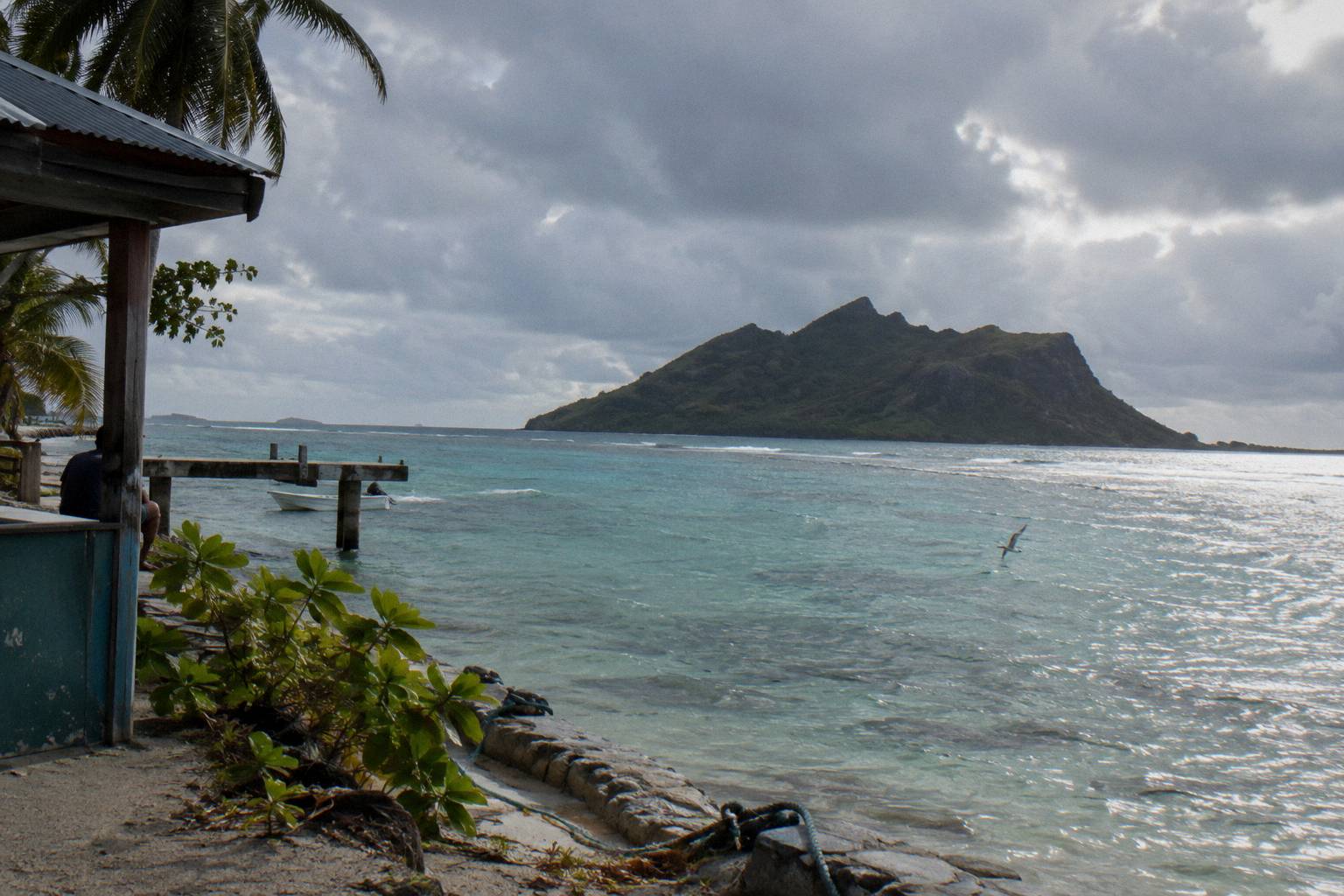
The Fiji Met Service outlook for the 2026-27 season expects eleven to fifteen tropical cyclones in its area of responsibility between November 2026 and April 2027, against around seven in an average season, with the peak usually in January and February. Individual storms are tracked day by day, and cruise operators reserve the right to cancel departures and vary transport when conditions demand it.
A heightened regional outlook is not a forecast that a cyclone will hit the Mamanucas on your travel dates. The area of responsibility covers a wide stretch of the South Pacific, most systems never make landfall near Nadi, and cruising between islands continues through most of the season. The outlook is a reason to book flexibly and watch the forecast, not a reason to cross the wet season off.
It is worth understanding what an above-average outlook number actually counts. A tropical cyclone forming anywhere in the wide warning area, including systems that stay far out at sea and affect no one's holiday, adds to the tally. The figure is a planning signal for meteorologists and emergency services rather than a day-to-day risk rating for a beach in the Mamanucas. Out-of-season cyclones cannot be ruled out either, which cuts both ways: the season boundary is a convention, not a switch.
The official numbers come from the Fiji Meteorological Service climate services pages, which publish the seasonal outlook and track active systems. If a trip falls inside the window, free cancellation up to 24 hours before departure on the major day trips gives you an exit if a system approaches, and travel insurance that covers weather disruption is worth having for any wet-season Fiji trip.
One concrete refund rule exists in black and white: Cloud 9 refunds a full day-trip cancellation made 24 or more hours ahead for adverse weather, with no refund once the trip is underway. That is the clearest published weather-cancellation term among these operators, and it rewards deciding early rather than waiting on the morning of the trip. For everything else, ask the operator when booking.
Does Weather Change The Day On The Islands?
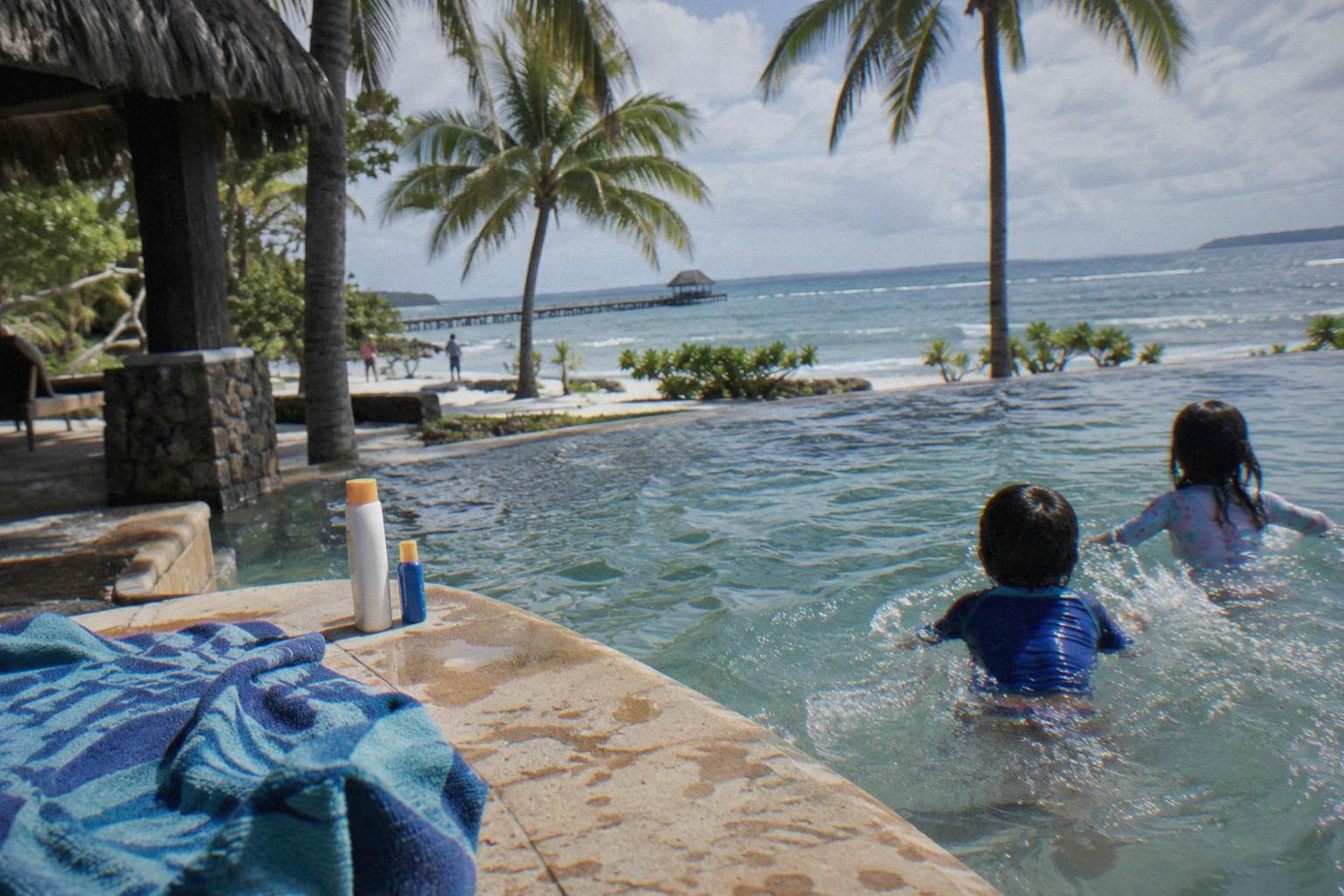
Yes, but less than you might expect: the island days are built around sheltered lagoons, pools and covered eating areas, so rain typically pauses the beach rather than ending the programme. Snorkelling at South Sea Island runs even at low tide, Mana Island Resort spreads across three beach areas and two fresh-water pools, and Castaway Island offers two pools including one with a swim-up bar, giving every island a wet-weather fallback.
A passing shower in the wet season usually means twenty minutes under a palm roof with a drink, then back in the water. The bigger weather effect on the islands is wind: breezy days can kick up surface chop in the lagoons and make paddle boards and kayaks a workout, which is why the complimentary gear is worth claiming early in the day while conditions are calm. Everything else covered here is indexed on South Sea Island Cruises.
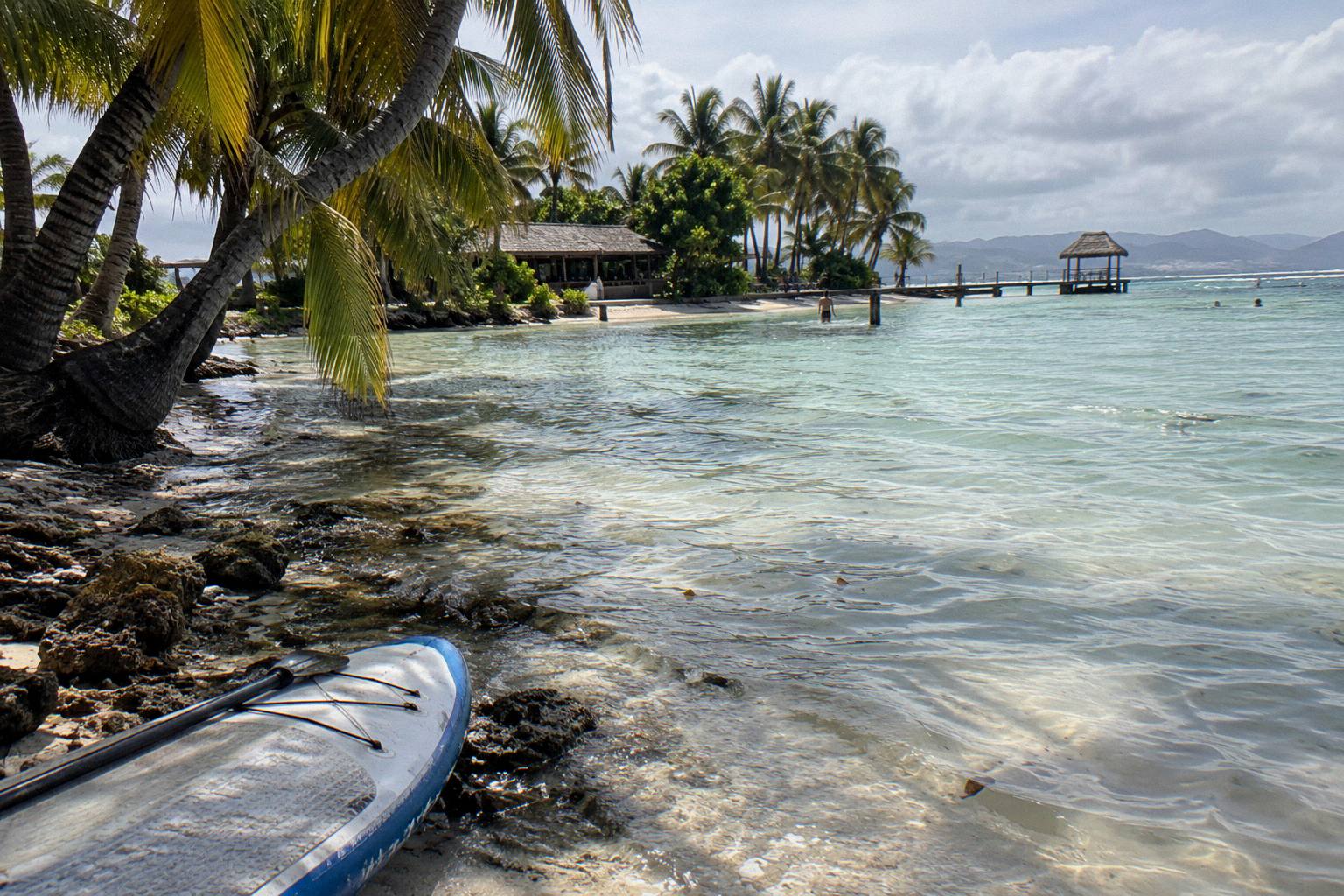
Sun is the weather factor that genuinely ruins days, in the other direction. With summer temperatures reaching 31 °C and strong equatorial UV even under cloud, sun protection is the difference between a good afternoon and a painful one; the reef-safe sunscreen and sun safety guide covers what to pack. The islands' own programmes also shift with the calendar in small ways, such as meke performances and craft markets running daily except Sundays.
The daily rhythm of an island day is itself weather-shaped, even on a cloudless morning. The full-day timetable gives guests from 10.45am to 4.00pm or 5.15pm ashore, which spans the full arc from calm mid-morning to whatever the afternoon brings. Guests who front-load their swimming and paddling in the first hours, and save shaded lunch and the craft stalls for midday, get the best of both patterns; the BBQ buffet is served at open-air rustic tables that sit in shade for part of the day.
For a floating-platform day rather than an island day, weather cuts both ways: sunshine makes the deck, and rougher conditions make the roughly hour-long crossing longer and the reef currents stronger, with card-only payments and no lockers on board. Children under 10 are not suited to that platform day in any weather, which makes the island trips the natural family choice when conditions are lively.
What Can The Operator Change When Weather Turns?
The operator's terms reserve the right to alter prices, apply a fuel surcharge, cancel departures, arrange alternative transport and vary itineraries and services when necessary. In practice that means a day cruise can leave late, swap vessels, redirect to a different island or be cancelled outright, and the published timetable is a plan rather than a guarantee. Weather is the most common trigger, though not the only one.
This clause is standard for boat operations in the tropics and is not unique to any one operator here. What matters for planning is that your recourse depends on the cancellation terms attached to your specific booking: most of the trips in the roster carry free cancellation up to 24 hours before departure, while a few do not publish cancellation terms, and those are the ones to query before booking in the wet season.
| What can change | Published reason | What you can do |
|---|---|---|
| Departure cancelled | Operator right to cancel departures when necessary | Book trips with free cancellation up to 24 hours ahead |
| Vessel or transport swapped | Right to arrange alternative transport | Expect the same route on a different boat |
| Itinerary varied | Right to vary itineraries and services | Check what matters most to you and ask the operator |
| Fuel surcharge applied or changed | Reviewed monthly, tied to set diesel prices | Budget for it on top of the from-price |
| Weather refund at Cloud 9 | Full refund for cancellations 24 or more hours ahead | Decide the day before, not the morning of |
The fuel surcharge deserves one plain note: it is mandatory for travel from 3 November 2026 until further notice, is charged per person, reviewed monthly, and payable online before departure or at check-in, with children paying a lower rate than adults on South Sea Island. No amount is published here because none should be guessed; it appears at checkout. The operator ties the surcharge to Fiji diesel prices, which are set monthly by the Fijian Competition and Consumer Committee, and some booking listings show the surcharge as excluded from the headline price, so read the checkout screen carefully before paying.
Card payments through the operator also carry a small non-refundable admin fee, and children are counted as ages 5 to 15 inclusive with infants 4 and under travelling free on South Sea Cruises trips. None of these fees is a weather charge, but they all land on the same checkout screen when you are deciding whether to commit to a date, so knowing they exist keeps the decision clean.
A calmer-weather alternative worth weighing is the combo cruise, which combines about 3.5 hours on South Sea Island with a sightseeing run through the Mamanucas while resort guests are dropped off and picked up, a format that turns a transport leg into part of the day.
How Should You Read The Forecast Before A Cruise Day?
Check the specific marine forecast, not just the general weather app icon, in the 48 hours before departure, and make your go or no-go decision inside the free cancellation window that closes 24 hours before the trip starts. The Fiji Meteorological Service publishes the authoritative warnings and outlooks, and the coach pick-up time binds you to the day earlier than the sailing itself does.
A city forecast for Nadi tells you about rain over land; a day cruise lives on the water between islands, where wind direction and swell can differ from what the phone shows. Wind matters more than rain for comfort on board, and rain matters more than wind for what you can do once ashore, so read the two elements separately. A day of showers with light wind is a fine island day; a day of sunshine with a strong blow can scrub a snorkel session even though the sky is perfect.
Timing your decisions matters as much as reading them. For the early sailings that leave at 8.45am, the coach collects from hotels well before that, which means the practical commitment point is the previous evening. The 24-hour free cancellation window on most trips aligns neatly with that reality, so the routine is simple: check the marine forecast at dinner the night before, decide then, and either board the coach with confidence or cancel while the refund still stands. Cloud 9's published refund rule works on exactly the same 24-hour threshold.
It also pays to know what the trip can and cannot flex around. The catamaran crossings are short and the islands sheltered, so ordinary variability, a squall, a brisk breeze, a passing shower, changes the texture of the day rather than the day itself. What the forecast should trigger is a plan, not a panic: sunscreen and hat regardless of cloud, a dry bag for electronics if showers are flagged, and seasickness precautions if the wind is up on a longer leg.
Which Month Should You Aim For?
For the best blend of sun, calm water and warm sea, aim for the shoulders of the dry season: May, June, September and October combine 23 to 26 °C days with lower rainfall and fewer peak-season crowds than July and August. If you must travel in the wet season, prefer morning departures, book with free cancellation, and treat January and February, the warmest and peak cyclone months, as the pair needing the most flexibility.
Month choice also interacts with your trip format. A full-day island trip spends the longest stretch outdoors, so it benefits most from dry-season booking. Morning trips are less exposed to the wet season's afternoon build-up. Long crossings to floating platforms and outer islands feel swell most, so reserve those for the driest window if anyone in your group is motion-sensitive.
| Month group | Feel | Best suited to |
|---|---|---|
| May to June | Dry season begins, average 23 to 24 °C, quieter boats | Long crossings, full-day trips |
| July to August | Coolest months, most days 19 to 28 °C, busiest | Sun-sensitive travellers, families |
| September to October | Dry, warming slightly, crowds easing | Any format, best all-round window |
| November to April | Wet season, up to 31 °C, afternoon downpours | Morning trips, flexible bookings |
Families with young children have their own calculus. The driest months are also the busiest, and a crowded island is its own kind of stress with a three-year-old in tow; the complimentary Kids Club on South Sea Island, for ages 3 to 12 with adult supervision, eases that on the island itself. Conversely, the wet season's quiet boats and warmest water suit babies and toddlers who mainly need a shallow, calm place to splash, provided the adults are happy to work around a shower.
None of the amounts in the printable roster, from US$65 per person for the shortest morning trip to US$135 per person for the Mana resort day, change with the season, though dates and group size do, and all figures are in US dollars. Weather affects comfort and odds, not the price column.
What Trips People Up Before You Book
The recurring mistakes are seasonal rather than logistical: assuming the wet season means washed-out days when it mostly means short afternoon showers, booking long open-water crossings for motion-sensitive groups in the breezier months, ignoring the 24-hour cancellation window that weather decisions actually run on, and forgetting the fuel surcharge and the sea-state reality that rough conditions stretch crossing times rather than cancel them.
The first trap is reading "wet season" as rain all day. The official description is long warm days with short afternoon downpours, and a morning sailing often beats an afternoon one simply on that pattern. The second is booking the longest crossing for a group that has never tested its sea legs; a 30-minute hop and a 60-minute-plus open-water leg are different experiences in the same forecast.
The third trap is timing your weather decision. Free cancellation on most trips runs to 24 hours before departure, and Cloud 9's weather refund uses exactly that threshold, so the day before is when to commit or withdraw. Waiting for the morning of the trip surrenders your options. The fourth is forgetting the practical packing list: sunscreen and hat, swimwear, towel and reef shoes serve every season, and cash or a card covers island extras regardless of the sky.
A fifth trap is quieter: assuming the timetable is a contract. Departure times, the vessel and even the island can change under the operator's right to vary itineraries, and on a day with a weather system nearby, a reroute is far more likely than a refund dispute. Booking with that expectation, and picking trips whose core appeal, a boat day, a swim, a lunch, survives a change of plan, removes most of the sting. Treat the printed times as the plan of record and the day itself as weather's negotiation.
Finally, do not let the calendar do the forecast's job. A dry-season day can blow hard enough to churn a lagoon, and a wet-season morning can be glass-flat and golden; the season sets the odds and the forecast calls the result. Travellers who check both, and book with a cancellation window in hand, are the ones who end up with the postcard day.
Common Questions About Mamanuca Cruise Weather
What Is The Weather Like In The Mamanuca Islands?
Two seasons dominate: a wet, humid summer from November to April with daily temperatures up to 31 °C and short afternoon downpours, and a dry, sunnier winter from May to October averaging 23 to 24 °C with most days between 19 and 28 °C. January and February are the warmest months; July and August the coolest.
Does Rain Cancel Mamanuca Day Cruises?
Ordinarily no. Short showers are a normal part of the wet season and trips run through them, with sheltered lagoons, pools and covered eating areas on the islands. Operators reserve the right to cancel departures when necessary, and serious weather systems are the trigger to watch rather than passing rain.
When Is Cyclone Season In Fiji?
The season runs November to April, with the peak usually in January and February. The 2026-27 outlook expects eleven to fifteen cyclones in the Fiji Met Service's area of responsibility, against around seven in an average season. Individual storms are tracked daily and most never reach the Mamanucas.
Do Boats Still Run When The Sea Is Rough?
Usually yes, and crossings simply take longer: the Cloud 9 boat ride runs about 60 minutes and about 20 minutes longer in rough seas. Operators can swap vessels, vary itineraries or cancel when conditions demand, and seasickness precautions are worth taking on the open-water legs.
Which Months Are Best For A Mamanuca Day Cruise?
May, June, September and October pair dry, sunny weather with average days of 23 to 26 °C and fewer crowds than July and August. In the wet season, morning departures sit ahead of the usual afternoon showers, and bookings with free cancellation keep your options open.
Is The Water Cold For Snorkelling In The Mamanuca Islands?
No. The official climate guidance says Fiji's water temperatures do not fluctuate much through the year, so snorkelling feels broadly similar in July and December. Air temperature, rain and wind are the variables worth planning around instead.
Before the FAQ closes the page, one last placement of the three formats that span the weather spectrum: the sailing island and reef day, the Mana resort trip and the classic full-day island cruise.