South Sea Island Weather: Best Months For A Day Trip
Weather decides which day you book. Fiji has two seasons, a cyclone season that overlaps the wet months, and an operator that can cancel or vary departures when conditions demand it. Here is what each stretch of the year means for a day trip to South Sea Island.
Short answer
Fiji's wet season runs November to April, with daily temperatures up to 31 °C and short afternoon downpours; the dry season, May to October, averages 23 to 24 °C with rainfall down 50 to 75 percent on the wetter months. Day trips run year round, and the operator can cancel or vary departures when conditions require. Full day trips are from US$125 per person.
Day trips to South Sea Island all leave from Port Denarau and share the same Mamanuca weather window, so picking your date matters as much as picking your trip. The full day cruise options from Denarau cover every season of the year, and this guide walks through what each season delivers on the water.
| Fact | Detail |
|---|---|
| Wet season | November to April, long warm days, short afternoon downpours, higher humidity |
| Wet season temperatures | Daily temperatures up to 31 °C, average 25 to 26 °C, January and February warmest |
| Dry season | May to October, shorter sunnier days, most days 19 to 28 °C |
| Dry season temperatures | Average 23 to 24 °C, July and August coolest |
| Dry season rainfall | Down 50 to 75 percent compared with the wetter months |
| Cyclone outlook | Eleven to fifteen tropical cyclones likely November 2026 to April 2027 in the Fiji Met Service area, peak usually January to February |
| Water temperature | Does not fluctuate much through the year, per Tourism Fiji |
| Crossing time | 30 minutes on the morning timetable, 45 minutes on the mid-morning full day timetable |
What Is The Weather Like Around South Sea Island?
South Sea Island sits in Fiji's Mamanuca group and sees two seasons rather than four: a wet, warm stretch from November to April and a drier, slightly cooler stretch from May to October. Tourism Fiji describes summer days reaching up to 31 °C with an average of 25 to 26 °C, while winter days mostly sit between 19 and 28 °C. Water temperatures barely change across the year.
The distinction is not hot versus cold. Both seasons are warm by most travellers' standards, and the sea around the island stays swimmable all year because, as Tourism Fiji's climate guide puts it, water temperatures "don't fluctuate much" through the year. What changes is rain, humidity and the chance of a cloudy, showery day replacing a bright one.
The wet season brings long warm days punctuated by short afternoon downpours rather than all-day rain. Humidity runs higher, and January and February are the warmest months of the year. Many mornings in the wet season still start clear and calm, which is one reason morning departures hold their appeal in these months.
The dry season, May to October, brings shorter and sunnier days. The average drops to 23 to 24 °C, most days fall between 19 and 28 °C, and July and August are the coolest pair of months. Rainfall in the dry season runs 50 to 75 percent below the wetter months, which is why the winter stretch is when most visitors plan around: steadier sunshine, lower humidity and a smaller chance that a downpour lands on your island afternoon.
For a one-day trip, the practical difference comes down to probability. A dry season day is more likely to give you uninterrupted sun from the 10.45am arrival to the late afternoon departure. A wet season day is more likely to give you heat, humidity and a burst of heavy rain at some point, often in the afternoon, with the sea itself just as warm either way.
Wet Season Or Dry Season: Which Suits A Day Cruise Better?
The dry season, May to October, is the steadier window for a day cruise: sunnier days, humidity down, and rainfall 50 to 75 percent lower than in the wet season. The wet season still delivers warm sea, emptier islands and cheaper shoulder dates, and its rain usually arrives in short bursts rather than lasting all day. Neither season is a guarantee, only a tilt in the odds.
Here is the honest trade-off, month by month. In the dry season you book with confidence: most days land between 19 and 28 °C, the skies trend clear, and the risk of a rained-out afternoon is at its lowest. The trade is crowds and price, since this is when most of the year's visitors come, and the coolest months, July and August, pair the most reliable weather with the busiest island.
In the wet season you accept a bigger gamble on rain in exchange for quieter beaches. Downpours tend to be short and afternoon-tilted, so a morning trip can dodge them entirely. The Finding Nemo morning trip, from US$65 per person, departs at 8.45am and has you back at Port Denarau by 11.45am, before the afternoon rain risk builds; other day guests do not arrive until 10.45am, so the island is close to empty for those two hours.
| Wet season (Nov to Apr) | Dry season (May to Oct) | |
|---|---|---|
| Daily temperature | Up to 31 °C, average 25 to 26 °C | Average 23 to 24 °C, most days 19 to 28 °C |
| Warmest or coolest months | January and February warmest | July and August coolest |
| Rain pattern | Short afternoon downpours, higher humidity | Rainfall down 50 to 75 percent on the wet months |
| Sky | Long warm days, cloud bursts | Shorter, sunnier days |
| Island feel | Quieter beaches, tropical heat | Busiest in July and August |
| Sea | Warm all season | Equally swimmable, temperatures barely change |
The right choice depends on what you are buying. Families with small children often prefer the cooler, drier months because sun safety and heat management are easier. Travellers who want the island to themselves, and who can shrug off a shower, do well in the shoulder edges of the wet season, November and April, when the calendar is quieter but the worst of the heat has not fully arrived or has started to ease.
Whatever month you choose, the three core trips run year round: the full day with lunch and drinks from US$125 per person, the half day with lunch from US$108 per person, and the Finding Nemo morning trip from US$65 per person. All amounts are US dollars and vary by date and group.
When Is Cyclone Season And Should It Change Your Plans?
Cyclone season overlaps the wet season, November to April, and the Fiji Met Service outlook for 2026-27 expects eleven to fifteen tropical cyclones in its area of responsibility, against around seven in an average season, with the peak usually in January and February. A booked day trip is not exposed the way a resort stay is, and the operator can cancel departures when conditions demand.
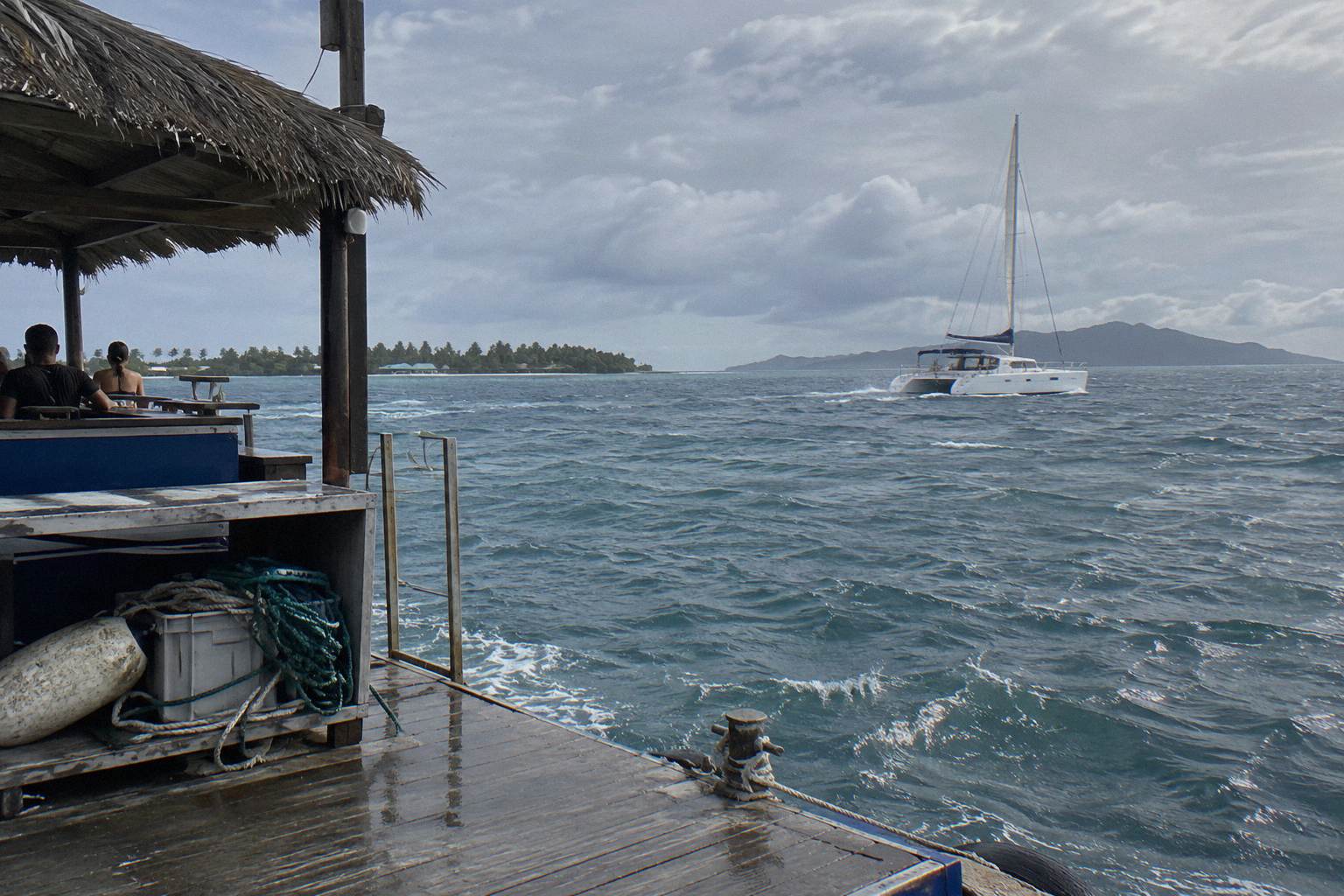
The Fiji Meteorological Service's tropical cyclone outlook covers a wide area of responsibility, not Fiji's islands alone, so eleven to fifteen systems does not mean eleven to fifteen storms over South Sea Island. What it does tell you is that the wet season carries a real, named risk, concentrated in January and February, and that out-of-season cyclones cannot be ruled out entirely.
For a day cruiser the exposure is short. You are on the water for 30 to 45 minutes each way, ashore for a few hours, and home the same day. A cyclone is forecast days ahead, so a day trip scheduled during a developing system will be cancelled before you ever board, not mid-crossing. The operator's terms reserve the right to cancel departures, alter prices, apply a fuel surcharge, arrange alternative transport and vary itineraries and services when necessary.
The practical advice is simple. If your travel dates fall in January or February, keep a flexible day in your itinerary for the island trip, book with free cancellation where it is offered (the full day, half day and Finding Nemo trips all cancel free up to 24 hours before start), and watch the forecast rather than the calendar. A clear January day is glorious, hot and uncrowded; the risk is only that the day you picked turns out to be the wrong one.
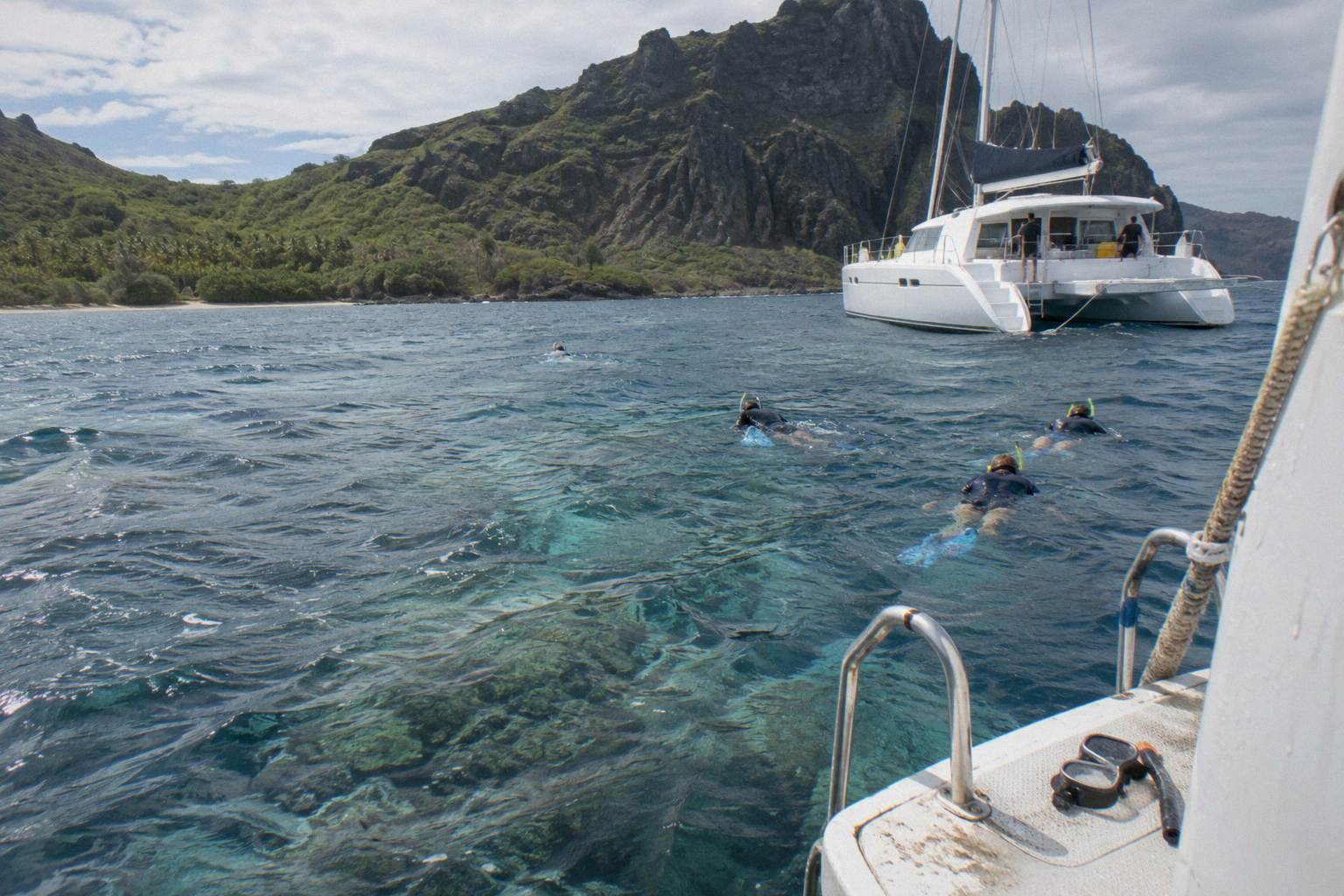
Travellers who want to remove the cyclone question altogether should aim for the dry season window of May to October, when the outlook drops away and the weather conversation shifts back to sunshine and sea breeze. There is more on that seasonal trade-off in the Mamanuca weather guide for day cruises.
The full day trip is the one most worth protecting with a cancellation window, because it commits your whole day, from the 10.00am departure to the 4.45pm or 6.00pm return.
What Actually Changes On The Boat Day In Each Season?
Three things change with the season: heat and humidity on the island, the chance of an afternoon shower, and how busy the beach and pool are. The crossing itself stays short, 30 minutes on the morning timetable and 45 minutes on the mid-morning full day run, and the day's shape, coach transfer, catamaran, tender ashore, is identical all year.
The boat and island routine do not vary. Check-in is at the South Sea Cruises desk in the Port Denarau Terminal 30 minutes before departure; the full day leaves at 10.00am and arrives at 10.45am; the half day leaves at 12.15pm; Finding Nemo leaves at 8.45am. What the season changes is what you do once you are there, and how comfortable doing it feels. More of these guides are collected on South Sea Island Cruises.
In the wet season, plan around heat. Temperatures can touch 31 °C with high humidity, so the complimentary snorkel gear, kayaks and stand-up paddle boards are best used in the morning, the saltwater swimming pool is a genuine refuge rather than a novelty, and the shade of the open-air lunch tables earns its keep. Sunscreen and a hat matter even on cloudy days, and reef shoes help on the walk to the snorkel area. The sun safety and reef-safe sunscreen guide covers the packing side in detail.
In the dry season, plan around comfort and crowds. The cooler air makes the full 5-plus hours ashore, from 10.45am to the 4.00pm or 5.15pm departure, easier to fill, and the meke performance and craft market run daily except Sundays regardless of season. July and August bring the most day guests, so the pool edge and lunch tables fill earlier; arriving on the earlier 8.45am crossings is one way around that.
| On the day | Wet season | Dry season |
|---|---|---|
| Best hours for activity | Morning, before afternoon downpour risk builds | All day, with a jumper for the coolest mornings |
| Island crowd level | Lower outside peak weeks | Highest in July and August |
| What to pack | Extra water discipline, hat, quick-dry clothing | Light layers for the cooler crossing |
| Rain plan | Short bursts, shelter at lunch tables and pool bar | Rarely needed |
| Kids Club (ages 3 to 12) | Runs daily, supervised by an adult | Same, busiest in the school-holiday weeks |
One seasonal constant is worth knowing: the water does not really cool down. Tourism Fiji's guidance is that sea temperatures barely fluctuate across the year, so a July snorkel and a January snorkel feel far more alike than the air temperatures suggest. If your main goal is time in the water, the season matters less than the day itself.
Does A Wet Season Day Ruin The Trip?
Not usually. Wet season rain arrives as short, heavy afternoon downpours rather than steady all-day drizzle, and the island's activities bend around it: swim and snorkel in the clearer hours, shelter over the BBQ buffet while the burst passes, and carry on. The sea stays warm, and a wet morning is far less common than a wet afternoon.
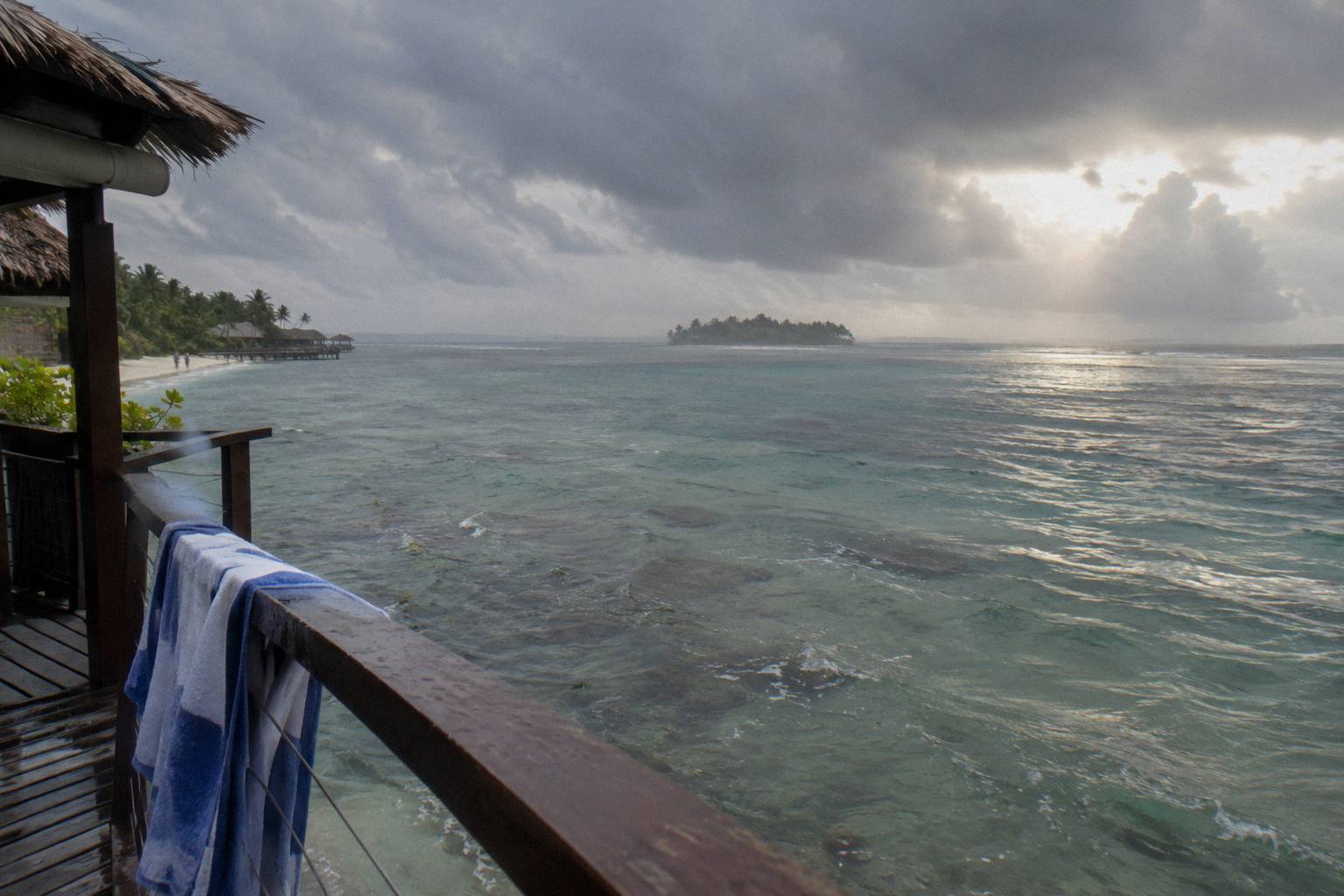
A tropical downpour is a different animal from a grey European rain day. It is loud, warm and short, often clearing within the hour, and the island has enough cover, the lunch tables, the pool bar area, the vessel's air-conditioned lounge if you time it back at the tender, to wait it out comfortably. Many travellers end up remembering the drama of a passing squall as part of the day rather than the end of it.
Timing is your main defence. The afternoon-weighted rain pattern makes morning departures the safer wet-season bet. The Finding Nemo trip, from US$65 per person, is built for exactly this: on the island from 9.15am to 11.15am, back at the marina by 11.45am, and drinks included though no lunch. The combo trip works similarly, ashore from 9.15am to 12.45pm before a sightseeing run through the Mamanuca Islands on the way back to a 3.00pm arrival.
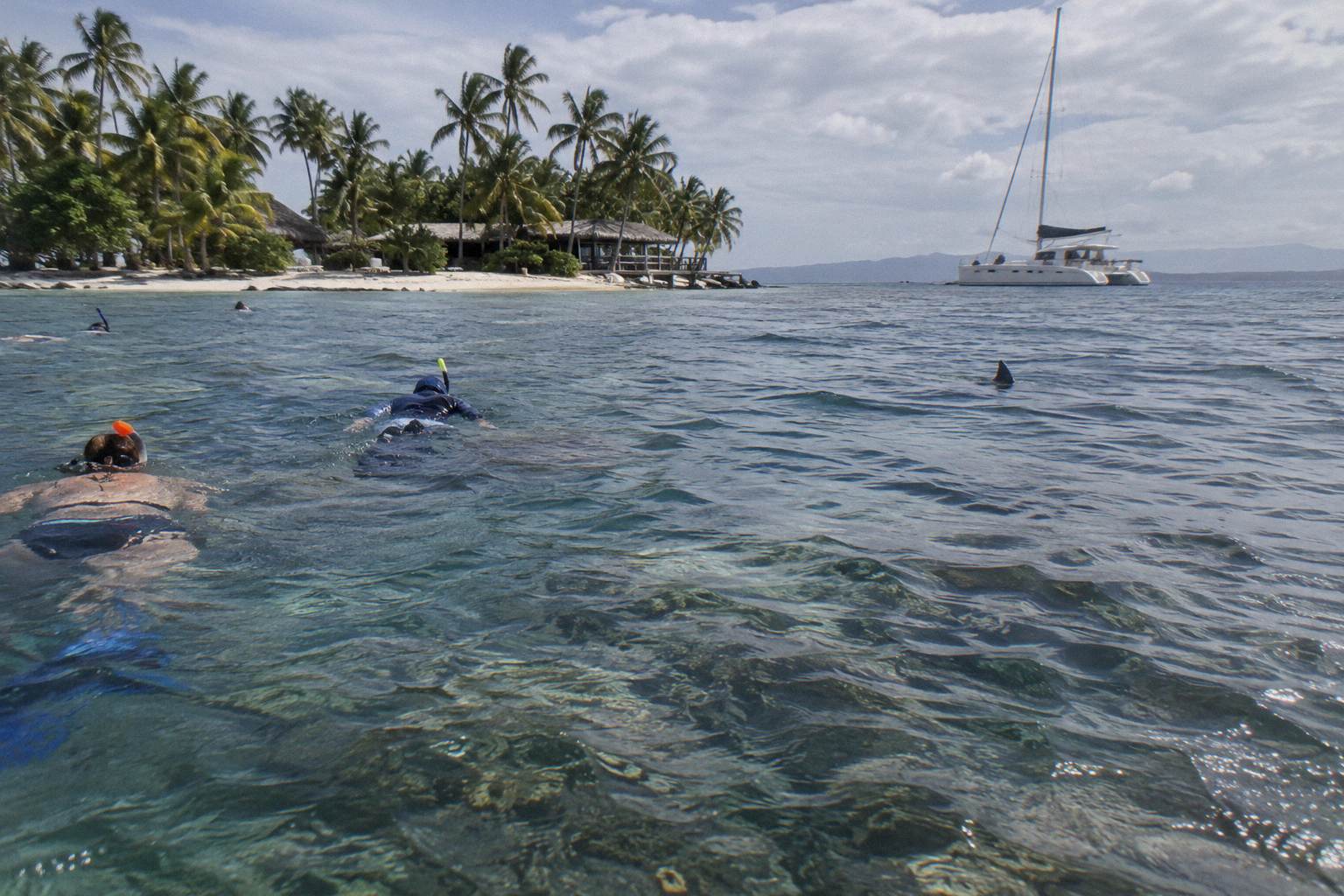
The half day, from US$108 per person, leaves Port Denarau at 12.15pm and is therefore the trip most exposed to the afternoon pattern; it suits travellers who want the morning in Nadi or at their hotel and accept the shower risk. The full day, from US$125 per person, gives you the whole island rhythm, morning water sports, the BBQ buffet lunch with local beer, house wine and soft drinks included, the meke performance and the craft market, and simply requires a little flexibility if a squall passes through. More on which length fits which traveller is in the full day versus half day comparison.
Two honest caveats. Heavy rain can stir visibility in the snorkel areas for a few hours after a big burst, and the semi-submersible coral viewer is subject to availability on some bookings with no refund if it is out of service for maintenance or repairs. Neither is a reason to avoid the wet season; both are reasons to set expectations before you board.
What Time Of Day Has The Calmest Conditions?
Mornings, in every season. The 8.45am departures cross in about 30 minutes, arrive at 9.15am, and enjoy the island before other day guests reach it at 10.45am; winds and showers both tend to build later in the day. The 10.00am full day crossing runs about 45 minutes and lands you into the busier, warmer part of the day.
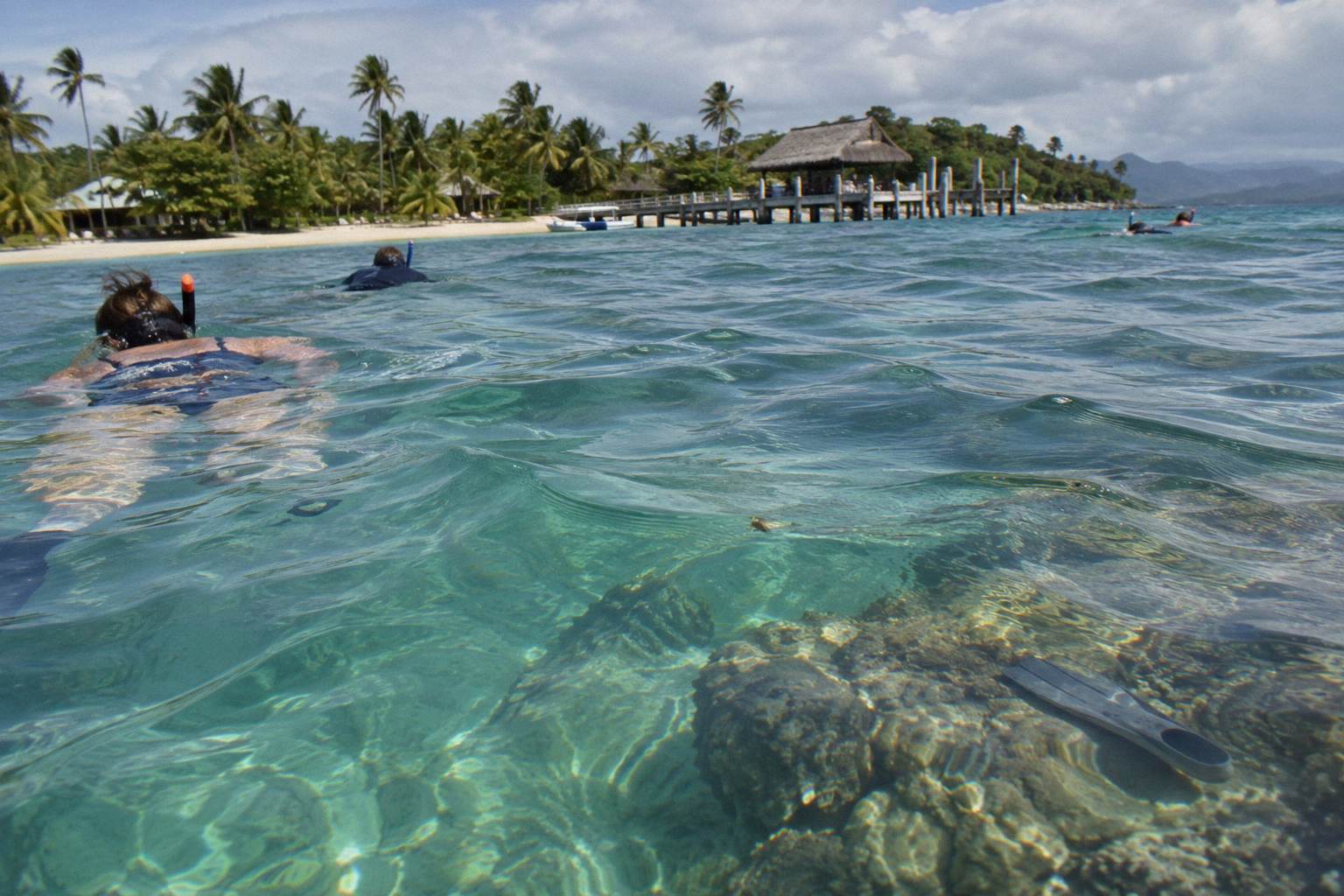
This is one of the more useful pieces of trip planning that has nothing to do with the calendar. Across both the wet and dry seasons, conditions on the water and the island are usually at their calmest and clearest early. The Finding Nemo and Combo trips are the two that exploit this, departing at 8.45am when the sea is often at its flattest and the light is best for the coral viewer.
| Trip | Depart Port Denarau | Arrive island | Leave island | Back at marina |
|---|---|---|---|---|
| Full Day | 10.00am | 10.45am | 4.00pm or 5.15pm | 4.45pm or 6.00pm |
| Half Day | 12.15pm | 12.45pm | 5.15pm | 6.00pm |
| Finding Nemo | 8.45am | 9.15am | 11.15am | 11.45am |
| Combo | 8.45am | 9.15am | 12.45pm | 3.00pm |
For photographers and swimmers alike, the 9.15am-to-10.45am window is the island at its best: soft light, empty sand, glassy water over the reef. After 10.45am the beach and pool fill, and in the wet season the afternoon cloud begins to build. If your priority is the water rather than the lunch, a morning trip is the sharper choice; if the BBQ lunch, the meke and the full afternoon are the point, the 10.00am full day remains the classic itinerary.
What Trips People Up When Picking A Date
The commonest mistakes are booking the island day for the back end of a short stay, ignoring the January-February cyclone peak, assuming rain means cancellation, and forgetting the fuel surcharge and coach pick-up zones. Each is avoidable with a little sequencing: keep a spare day, read the cancellation terms, and check your hotel's pick-up coverage before you commit to a departure.
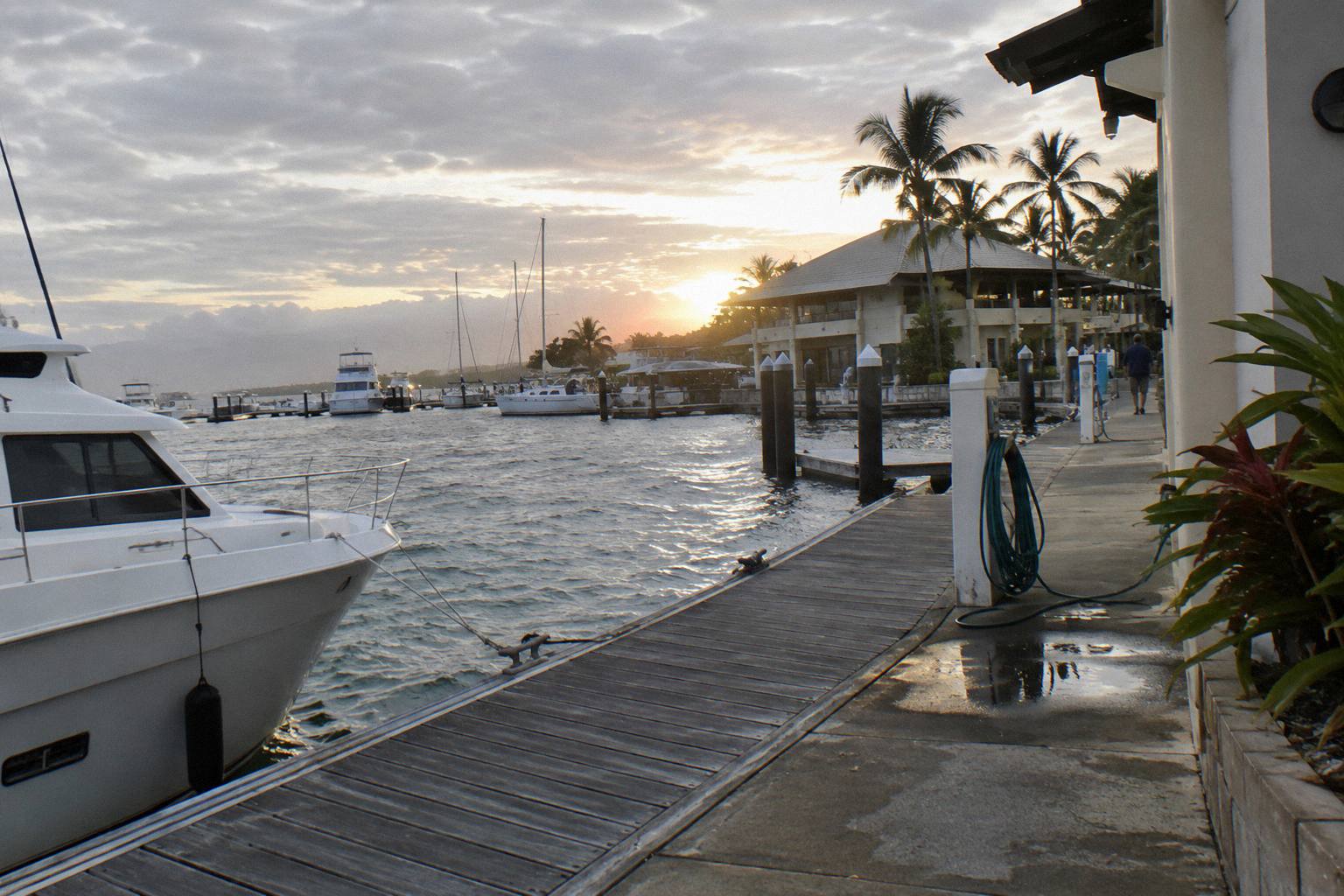
Booking the island day on your last full day is the classic trap. If weather forces a cancellation, and the operator's terms allow departures to be cancelled when necessary, you have no second chance. Flip the order: put the island trip early in your stay so a weather slip can be absorbed later in the week.
The second mistake is treating the wet season as a monolith. November and April sit at the mild edges; January and February concentrate both the peak heat and the peak cyclone activity. A February visit can be wonderful, but it deserves a spare day and a booking with free cancellation, which the core South Sea Island trips all offer up to 24 hours before start.
The third is assuming rain equals ruin. As covered above, wet season rain comes in short bursts and the sea stays warm; plenty of rained-on half hours have ended in the best swim of someone's trip. The fourth is budgeting the fare alone: a mandatory per-person fuel surcharge applies for travel from 3 November 2026, reviewed monthly, payable online before departure or at check-in, with children 5 to 15 paying a lower rate than adults on South Sea Island. Some booking listings show the surcharge as excluded, so expect it at checkout. The operator's fuel surcharge advisory explains the review cycle.
The fifth is coach geography. Return coach transfers cover most Nadi, Denarau and Wailoaloa hotels on the core trips, but the wider zones, Vuda, Natadola, Sonaisali, Momi Bay and the Coral Coast, apply to the full day only, and Finding Nemo and the Combo pick up from Nadi, Denarau and Wailoaloa only. If you are staying outside those zones, confirm the meeting arrangement when booking. The hotel pick-up and transfers guide maps the zones in full.
A final note for the flexible: if your dates are locked into the wet season and you want a bigger, sailing-based day, the Captain Cook Tivua island and reef trip, from US$107 per person with a 4.5 rating from 448 reviews, runs seven hours from Port Denarau and includes a marine-biologist-guided snorkel, which adds structure to a day when conditions vary. For everything else, the weather picks your day; the trip picks your hours.
Common Questions About Fiji Day Cruise Weather
What Is The Best Month To Visit South Sea Island?
There is no single best month in the sourced data, only a contrast. The dry season, May to October, brings sunnier days of 19 to 28 °C with rainfall down 50 to 75 percent on the wet months; July and August are the coolest and busiest. The wet season runs hotter, up to 31 °C, with short afternoon downpours and quieter beaches.
Is The Sea Cold In Fiji In July Or August?
No. Tourism Fiji's guidance is that water temperatures do not fluctuate much through the year, so the sea around South Sea Island is about as warm in the coolest months as in the warmest. Air temperatures in July and August mostly sit between 19 and 28 °C.
When Is Cyclone Season In Fiji?
Cyclone season overlaps the wet season, November to April. The Fiji Meteorological Service outlook for 2026-27 expects eleven to fifteen tropical cyclones in its area of responsibility, against around seven in an average season, with the peak usually in January and February.
Does Rain Cancel A Day Cruise?
Not automatically. The operator reserves the right to cancel departures when necessary, and short afternoon downpours are a normal part of the wet season rather than a reason to cancel a whole day trip. The core South Sea Island trips cancel free up to 24 hours before start if your plans change.
Which Trip Is Best In The Wet Season?
Morning departures suit the wet season best because rain builds later in the day. The Finding Nemo trip is ashore from 9.15am to 11.15am and back by 11.45am, and the Combo returns by 3.00pm, both ahead of the main afternoon risk.
Does The Crossing Get Rough In The Wet Season?
The crossing is short, about 30 minutes on the 8.45am timetable and 45 minutes on the 10.00am timetable, and the vessel has an air-conditioned lounge and open-air decks. This guide makes no promise about sea state on any given day; conditions vary and the operator can vary transport when necessary.