What To Be Careful Of On A Fiji Island Day Trip?
The sourced cautions for Fiji island day cruises from Port Denarau: sun and heat, reef currents, weather and cyclone season, extra costs, fuel surcharge and card fees, with the actions that keep each one manageable.
Day cruises out of Port Denarau are among the easiest days out in Fiji, and most of what can go wrong is preventable with a bit of planning. The cautions below are the sourced ones: sun and heat, currents around the reef platforms, wet-season and cyclone-season weather, the extras you pay for on the island, and the small payment costs that catch people at checkout. Nothing here is scary, but every item has caught somebody out. The full-day options from the terminal are collected at the full day island cruises hub, and the three most useful variants for a cautious first-timer sit below.
The five cautions worth planning around are sun exposure, reef currents, wet-season weather, unbudgeted extras, and the fuel surcharge with card fees added at checkout. All amounts on these trips are US dollars and vary by date and group. None of them is a reason to stay ashore; each has a fix that costs a few dollars or a bit of forethought.
The sun comes first because it is the one that gets everybody. Fiji sits in the tropics, and summer days, November to April, can reach 31 °C, while even the cooler dry-season months, May to October, mostly sit between 19 and 28 °C. On the water there is little shade, the catamaran's open-air decks reflect heat, and an island day stacks on swimming time in and out of the water where sunscreen washes off. The burn comes fast, and it comes on cloudy afternoons too.
Currents come second, but only on some venues. The floating platforms and reef snorkel spots in the Mamanuca chain are exposed to open water, and the operator of the Cloud 9 platform says plainly that currents on Ro Ro Reef can be strong. Island lagoons like the one around South Sea Island are far more sheltered, which is why the same operator advertises swimming and snorkelling there "even at low tide".
Weather is third. The wet season brings short, heavy afternoon downpours rather than all-day rain, but it also brings the tropical cyclone season, which runs alongside it from November to April. Then there is money: island extras like massages, the premium bar and the shell market sit outside the headline fare, a mandatory per-person fuel surcharge now applies, and card payments through the operator carry a small non-refundable admin fee. Each of these is small; together, unprepared, they dent the day.
Sun And Heat: The One That Gets Everybody
Sun and heat are the most reliable hazard on any Fiji island day trip, with summer days reaching 31 °C and dry-season days mostly 19 to 28 °C. The fixes are sunscreen reapplied after every swim, a hat, a rash shirt for long snorkel sessions, and real shade breaks at midday. Tourism Fiji's climate guidance frames the two seasons: the wet season, November to April, is warmer and more humid, with January and February the warmest months; the dry season, May to October, is sunnier and cooler, with July and August the coolest. Cooler is relative. A dry-season day still burns unprotected skin in well under an hour on an open deck.
The boat ride itself is part of the exposure. The catamarans on the South Sea Island runs have an air-conditioned lounge and open-air outer decks, and the decks are where the photos are, so that is where people stand for the 30 to 45 minute crossing. The operator's own packing advice for the island lists sunscreen and a hat alongside swimwear, a towel and footwear or reef shoes, which tells you the operator sees sun protection as essential kit, not an optional extra.
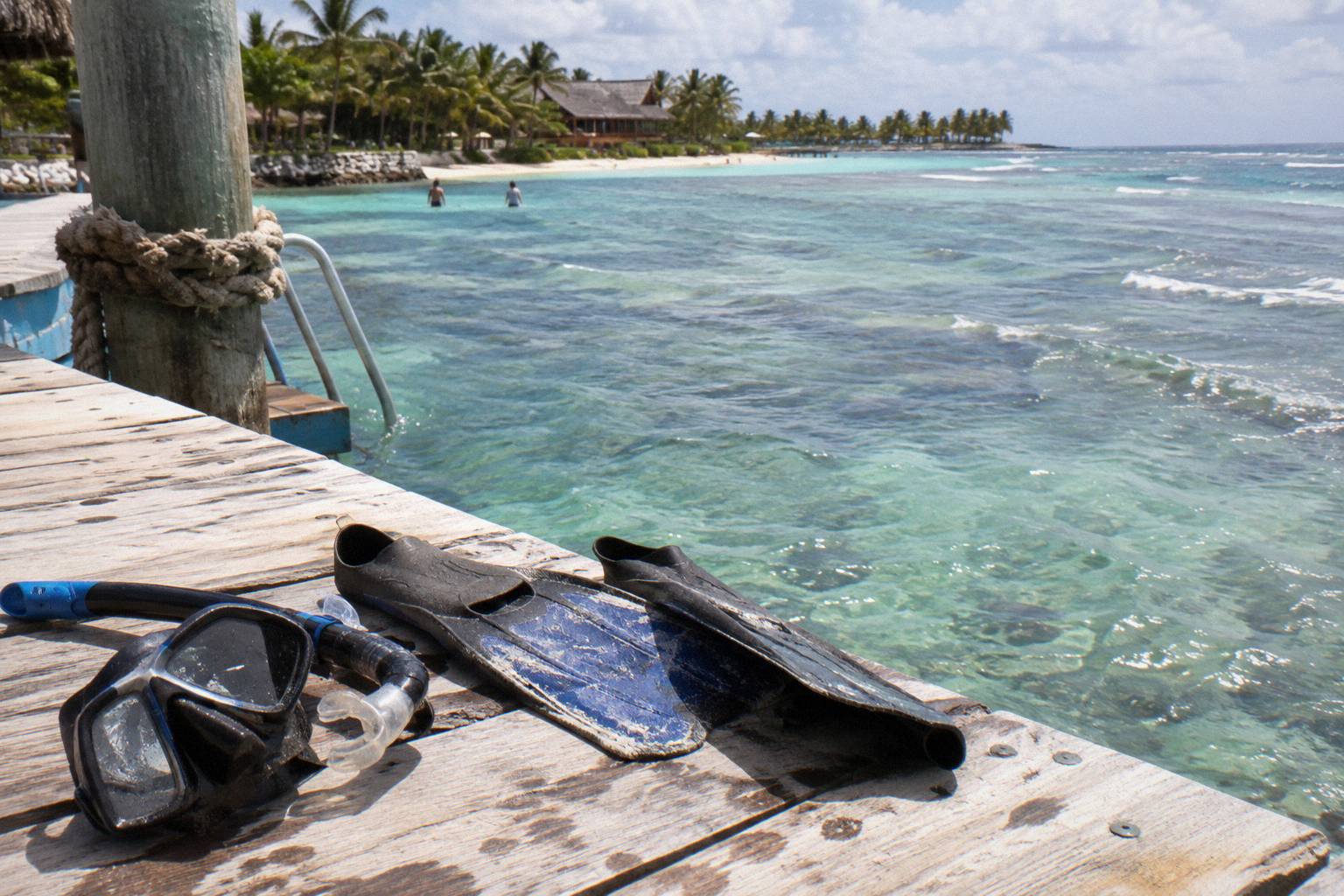
The island part of the day stacks on more. Complimentary snorkel gear, stand-up paddle boards and kayaks mean hours in the water, and water washes sunscreen off. Reef-safe sunscreen, reapplied after each swim, is the single highest-value precaution of the whole day; a rash shirt for children does the same job without the reapplication. The saltwater swimming pool on South Sea Island and the shaded rustic lunch tables give natural break points around midday, and the meke performance and craft markets, held daily except Sundays, offer shaded culture instead of noon sun. For clothing choices generally, what to wear on a Fiji island day cruise works through the layers.
| Sun caution | What it looks like on the day | Action |
|---|---|---|
| Open-deck crossing, 30 to 45 minutes | Standing for photos in full sun on the way out | Sunscreen before boarding, hat, sunglasses |
| Long snorkel sessions | Sunscreen washes off in the water | Reef-safe sunscreen reapplied after every swim, or a rash shirt |
| Midday on the island, 11am to 2pm | Peak UV over sand and shallow water | Shade breaks at lunch tables, saltwater pool, meke and craft market time |
| Reflected light off water and sand | Burn on shoulders, nose, tops of ears often missed | Ask a travel partner to do the back of the neck and ears |
| Cloudy wet-season afternoons | UV stays high through cloud cover | Keep sunscreen on the face even on grey afternoons |
A full-day booking gives the longest exposure window, and the one with the most built-in structure: coach pickup, catamaran, BBQ buffet lunch, island drinks and the return sail are all inside one fare. On the Fiji: South Sea Island Full Day Trip with Lunch & Drinks, from US$125 per person, free cancellation applies up to 24 hours before start, which matters if the forecast turns.
If a full day in the sun sounds like more than your skin wants, the half-day and morning formats are the honest alternative. The Fiji: South Sea Island Half-Day Trip with Lunch, from US$108 per person, rated 4.6 from 123 reviews, keeps the island core of the day but sails at 12.15pm and is back at 6.00pm.
Currents, Platforms And Swimming Judgement
The sourced current caution applies to the open-water reef venues: the Cloud 9 floating platform sits on Ro Ro Reef, where the operator warns currents can be strong and lends free life jackets. Island lagoons in the Mamanuca chain, including South Sea Island's, are sheltered enough that the operator promotes swimming and snorkelling there even at low tide. The distinction matters because not every "island day trip" is the same shape of water. A lagoon day and a platform day ask different things of a swimmer.
Cloud 9 is a two-level floating bar and wood-fired pizzeria on Ro Ro Reef, about 60 minutes by boat from Port Denarau, and roughly 20 minutes longer in rough seas, since the crossing is open water. The platform's own FAQ covers the cautions directly: currents on the reef can be strong, life jackets are free, there are no lockers on board, food and drink on the platform is card only, and children under 10 are listed as not suitable. Anyone prone to motion sickness is also worth planning for, given the open crossing.
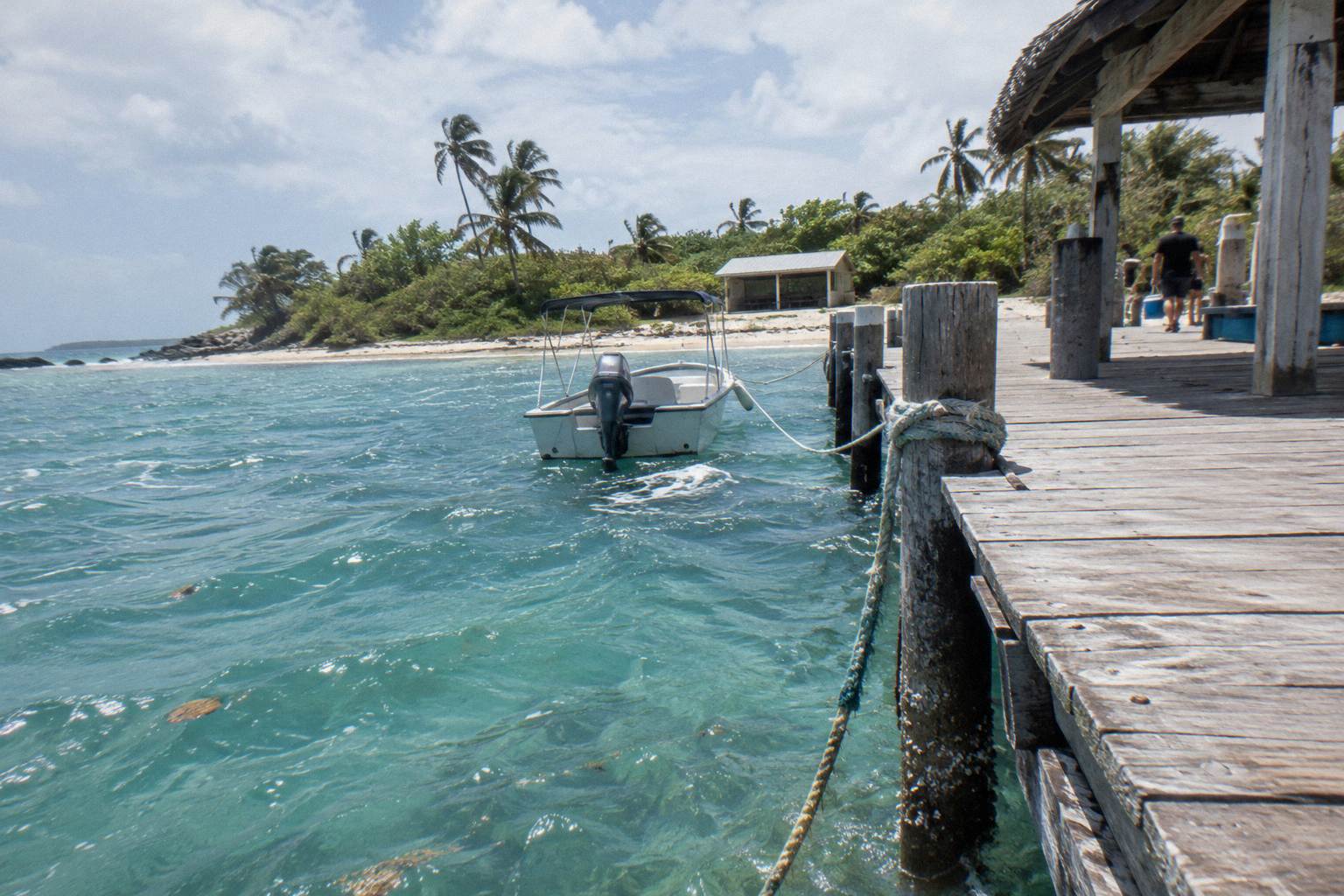
The island days are gentler on paper. South Sea Island sits inside the Mamanuca group, the tender from the catamaran to the beach is short, and the swimming area is engineered around tide states, with the operator's own line that the island offers swimming and snorkelling "even at low tide". That said, low tide changes what the water looks like, and swimmers who want the full picture can read whether you can snorkel at South Sea Island at low tide before choosing a morning or afternoon slot. Non-swimmers have their own set of options, and the semi-submersible coral viewer on the island is one of them, with the caveat that no refund applies if the viewer is out of service for maintenance or repairs, and it is subject to availability on the combo trip.
Two practical rules cover almost all of the current and water questions. First, on any platform or reef venue, take the free life jacket if the water looks at all lively; there is no cost and no stigma attached. Second, swim where the day's crowd swims, because the areas people gather in are the areas the crew watch. For the crossing itself, whether the boat to the Mamanuca islands is rough explains what changes a sea state and how the high-speed catamarans handle it.
The morning Finding Nemo trip is the format that minimises water risk while keeping the reef on the itinerary. It runs from US$65 per person, rated 4.4 from 21 reviews, departs 8.45am, and its guests reach the island at 9.15am, before other day guests arrive at 10.45am, so the lagoon and the semi-submersible are at their quietest. Drinks are included; lunch is not.
Weather, Cyclone Season And Cancellations
The wet season, November to April, brings short afternoon downpours and runs alongside the tropical cyclone season, for which the Fiji Met Service outlook expects eleven to fifteen cyclones in its area of responsibility, against around seven in an average season, peaking usually in January and February. Dry-season months, May to October, are the lower-risk window. None of that means cancel your trip. It means book with a cancellation window and keep an eye on the forecast in the days before you sail.
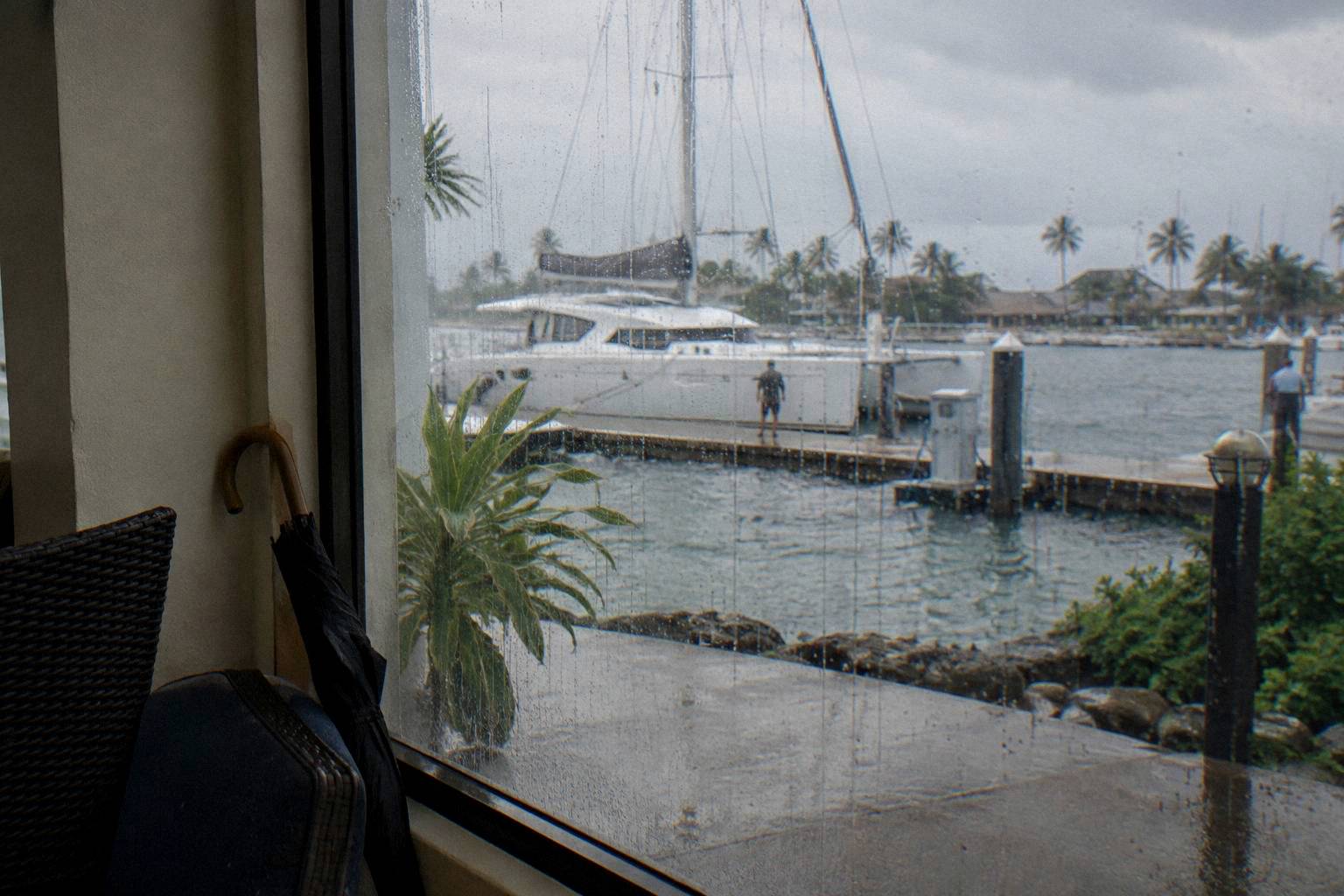
The seasonal mechanics are simple. Summer, November to April, is the wet season: long warm days, higher humidity, and short afternoon downpours rather than continuous rain. Winter, May to October, is the dry season: shorter, sunnier days, and rainfall down 50 to 75 percent compared with the wetter months. Water temperatures, in Tourism Fiji's wording, "don't fluctuate much" through the year, so the sea itself is not the variable; the sky and the wind are. The Fiji Meteorological Service publishes the cyclone outlook and the seasonal guidance that the booking decisions should lean on.
The cyclone number deserves context rather than alarm. The outlook area, the RSMC Nadi area of responsibility, covers a wide stretch of the South Pacific, not Fiji's beaches alone, and an above-average outlook does not mean storms make landfall, or that day trips run into them. Operators do hold the right, in their terms, to alter prices, apply a fuel surcharge, cancel departures, arrange alternative transport and vary itineraries when conditions require it. On the weather side specifically, Cloud 9 refunds a full day-trip cancellation for adverse weather when it is made 24 or more hours ahead, with no refund once the trip is underway; that 24-hour line is a useful rule of thumb for planning any of these bookings.
For the practical side of a cancellation, what happens if a Fiji day cruise is cancelled for weather works through the sequence, and the South Sea Cruises day trips carry free cancellation up to 24 hours before start, which is the policy that makes wet-season booking low-risk. Two timing habits close the gap: book early in your stay rather than on your last day, so a cancelled departure can be rebooked, and prefer morning departures in the wet season, since the pattern of short afternoon downpours makes mornings the more reliable half of the day.
Extra Costs That Sit Outside The Fare
The extras worth budgeting for are the island massage, the Tipsy Turtle premium bar with cocktails, spirits, snacks and ice cream, merchandise and the shell market on South Sea Island, and drinks beyond what the operator includes on resort-based days. On the island, local beer, house wine, filtered water and soft drinks are complimentary, so the extras are genuinely optional. The trap is not being charged; it is arriving without a payment method for the things you will actually want.
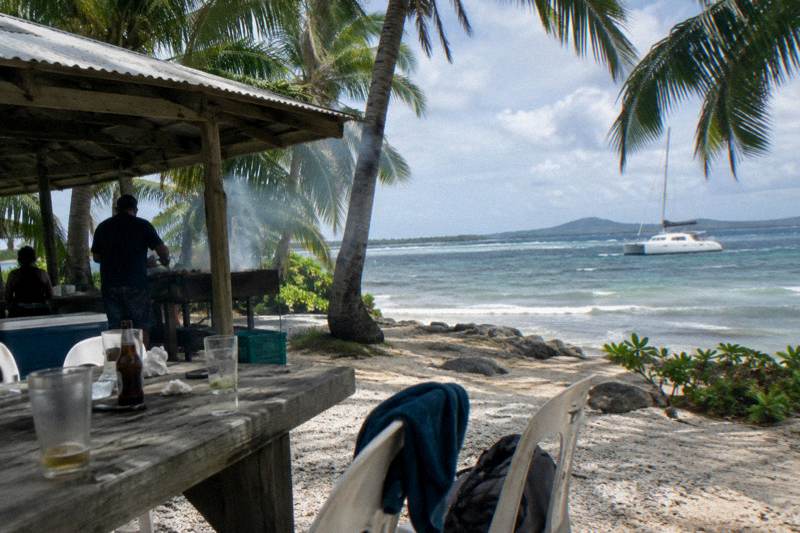
The operator's own packing line for South Sea Island is to bring cash or card for extras, and that single sentence is the budgeting guide. The included base is broad: the BBQ buffet lunch at open-air rustic tables, the complimentary drinks list, the snorkel gear, paddle boards and kayaks, and the Kids Club for ages 3 to 12. Everything past that line, massage, premium bar, merchandise, shells, is paid on the day. On resort islands the split runs differently: Castaway includes lunch but drinks are extra, and Mana's buffet lunch comes on the full-day booking with drinks extra. Mana's resort also does not accept cash, a detail worth knowing before a day there.
| Extra | Where it applies | How to handle it |
|---|---|---|
| Island massage | South Sea Island, at own cost | Decide a cap before you land |
| Tipsy Turtle premium bar | South Sea Island; cocktails, spirits, snacks, ice cream | House beer, wine and soft drinks are already included |
| Merchandise and shell market | South Sea Island, at own cost | Bring cash or card; small spends |
| Resort drinks | Castaway and Mana days, extra beyond lunch | Budget separately from the fare |
| Card-only venues | Cloud 9 platform for food and drink; Mana resort takes no cash | Carry a card that works internationally |
Tipping sits in a grey zone worth one sentence here. Cloud 9 says tipping is not customary in Fiji but is appreciated, on card or in cash, and a couple of booking pages list gratuities as not included. Nothing more is sourced on the practice, so treat tipping as optional and unhurried rather than an expected cost.
Payment Details: Fuel Surcharge And Card Fees
A mandatory per-person fuel surcharge applies for travel from 3 November 2026 until further notice, payable online before departure or at check-in, reviewed monthly by the operator, with children 5 to 15 paying a lower rate than adults on South Sea Island. Separately, card payments through the operator carry a small non-refundable admin fee. Neither amount is printed here, because the operator sets both at checkout; the cautions are knowing they exist and paying the surcharge before you travel rather than scrambling at the desk.
The surcharge has a stated reason. The operator ties it to Fiji diesel prices, which are set monthly by Fiji's competition and consumer regulator and, in the operator's words, sit well above pre-disruption levels. Because the fuel price resets on the first day of each month, the surcharge is reviewed on the same rhythm, with the next review in December 2026. Some booking pages list the surcharge as excluded from the headline price, which is exactly why it catches people out at check-in. The operator's fuel surcharge advisory is the page that carries the current terms.
The card fee is smaller but permanent. Card payments through the operator carry a small non-refundable admin fee, which means a card refund scenario can cost a little even when the trip itself is fully refundable. None of the roster's US dollar from-prices include these bits: the from US$125 full day, from US$108 half day and from US$65 Finding Nemo morning fares are the trip fares, with the surcharge and card fee layered on top. Children aged 5 to 15 pay child rates on South Sea Cruises trips, and infants 4 and under travel free, which softens the family arithmetic considerably.
What Catches Out Even Careful Travellers
The recurring slips are arriving without the 30-minute check-in buffer, expecting lunch on the morning Finding Nemo trip, banking on the semi-submersible running, and leaving no rebooking slack at the end of a stay. Check-in is at the South Sea Cruises desk, Port Denarau Terminal, 30 minutes before departure, and each of the other three has a one-line fix. None of these is dramatic, and all of them are day-shaping.
The check-in one is the most common. Port Denarau Marina sits 20 minutes from the international airport and 10 minutes from Nadi town, but the coach pickups, the terminal walk and the desk queue eat time, and the 30-minute buffer is the operator's stated requirement, not a suggestion. The meal one is a close second: the Finding Nemo morning trip includes drinks but no lunch, and guests are back at 11.45am, so the plan is a late breakfast or a booking at a marina restaurant for the return. The semi-submersible viewer on South Sea Island carries no refund if it is out of service for maintenance or repairs, and on the combo trip it is subject to availability, so treat it as a bonus rather than the reason for booking.
| What goes wrong | Why it happens | The fix |
|---|---|---|
| Rushed, stressed check-in | Terminal queue and coach timing misjudged | Be at the South Sea Cruises desk 30 minutes before departure |
| Hungry on the morning trip | Finding Nemo includes drinks but no lunch | Eat before the 8.45am departure or plan a marina lunch for 11.45am |
| Disappointed at the viewer | Semi-submersible out of service, no refund | Book the day for the island, not for one activity |
| Cancelled last day, no rebooking room | Wet-season departure cancelled for weather | Book mid-stay, keep spare days |
| Surprise at checkout | Fuel surcharge listed as excluded, card admin fee | Pay the surcharge online before departure |
The last-day slip deserves its own line: with free cancellation up to 24 hours before start on the South Sea Cruises day trips, the optimal pattern is to book a mid-stay date, hold a spare day either side, and move rather than lose if the weather turns. The half-day version of the island day is the natural fallback slot, since it departs at 12.15pm and gives the morning to assess conditions.
Between the two, most of the caution list collapses into a single decision: how much sun, sea and schedule risk you want in one day. The full day gives you 10.45am to 4.00pm or 5.15pm on the island and everything included; the half day gives you 12.45pm to 5.15pm with the same island core. The trio below covers the full spread of that choice, from the all-in full day to the short morning on the water.
The one caution that needs no action at all is the biggest-picture one: these are easy days, run by an established operation from a marina 20 minutes from the airport. A hat, a rash shirt, a card for extras and a mid-stay booking slot handle nearly everything on the list, and the rest is choosing which island suits you, which South Sea Island Cruises lays out alongside the Mamanuca alternatives.
Common Questions About Fiji Island Day Trips
What To Be Careful Of On A Fiji Island Day Trip?
The sourced cautions are sun and heat, currents around open-water reef platforms like Cloud 9 on Ro Ro Reef, wet-season and cyclone-season weather from November to April, unbudgeted island extras, and the fuel surcharge plus card admin fee at payment. Each is handled by sunscreen and shade, free life jackets, a mid-stay booking with a spare day, a card for extras, and paying the surcharge online before departure.
Is The Sun Really That Strong On A Fiji Day Cruise?
Yes. Summer days reach 31 °C and dry-season days mostly sit between 19 and 28 °C, with high UV across both seasons. Reef-safe sunscreen reapplied after every swim, a hat, a rash shirt for snorkelling, and shade breaks at midday are the standard precautions.
Are Currents Dangerous At The Island Day Trip Venues?
Currents can be strong on Ro Ro Reef where the Cloud 9 platform sits, and the platform lends free life jackets. The island lagoons, including South Sea Island's, are sheltered, and the operator notes swimming and snorkelling there even at low tide.
What Extra Costs Should I Budget For On The Island?
On South Sea Island, budget for the massage, the Tipsy Turtle premium bar, merchandise and the shell market; local beer, house wine, filtered water and soft drinks are complimentary. Bring cash or a card. On resort days like Castaway and Mana, drinks are extra beyond the included lunch.
What Is The Fuel Surcharge And Do I Have To Pay It?
A mandatory per-person fuel surcharge applies for travel from 3 November 2026 until further notice, reviewed monthly and tied to Fiji diesel prices. It is payable online before departure or at check-in, children 5 to 15 pay a lower rate than adults on South Sea Island, and the amount is set by the operator at checkout.
When Is Cyclone Season And Should It Change My Plans?
The cyclone season runs November to April, and the current outlook expects eleven to fifteen tropical cyclones in the Fiji Met Service's area of responsibility against around seven in an average season, peaking usually January to February. Book mid-stay with a spare day, use the free cancellation up to 24 hours before start, and prefer morning departures in the wet season.